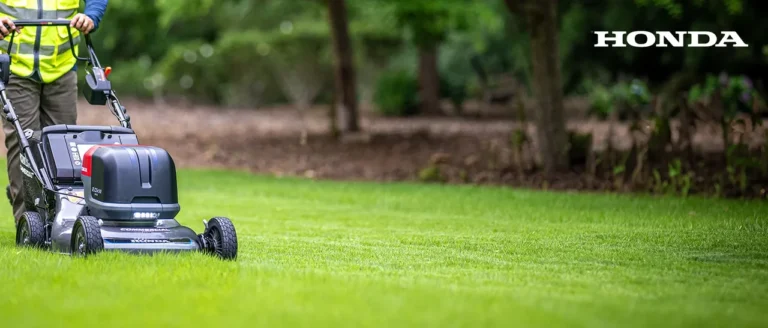
Honda vs Other Lawn Mower Brands: How to Compare Equivalent Mowers
Honda usually stands out for smooth engine performance, dependable starting, and a clean cut, but another brand can offer better value, battery power, drive systems, or local support. The right choice depends less on the badge and more on matching deck size, mower type, engine or battery platform, and ownership costs.
Are you trying to compare a Honda push mower with a battery mower that has a totally different power system? Are you worried about paying more for a Honda and getting features you won’t use?
I once rushed through a mower comparison because two machines had the same advertised deck width. The cheaper mower looked like a bargain until the bag filled unevenly and the height adjuster started slipping, leaving me with a lumpy cut and a second trip to the store. That mistake is common, not dumb.
I wrote this guide for homeowners who want a fair brand comparison without sorting through a pile of marketing terms. The goal is to help you compare similar machines, understand where Honda earns its price, and spot the cases where Toro, EGO, Husqvarna, Cub Cadet, John Deere, DeWalt, or another brand may suit you better.
Get the comparison right, and you can spend less time pulling a starter cord, wrestling a heavy deck, or chasing missed strips of grass. Get it wrong, and even a respected mower can feel too loud, too heavy, too weak, or too expensive for your yard.
This article takes about 12 minutes to read, and it will help you:
- Match the same mower type and cutting capacity across brands.
- Judge engine performance, battery runtime, handling, and cut quality.
- Separate useful features from shiny extras that add little value.
- Estimate maintenance, repair, and ownership costs before buying.
Honda vs Other Lawn Mower Brands: the Fair Comparison
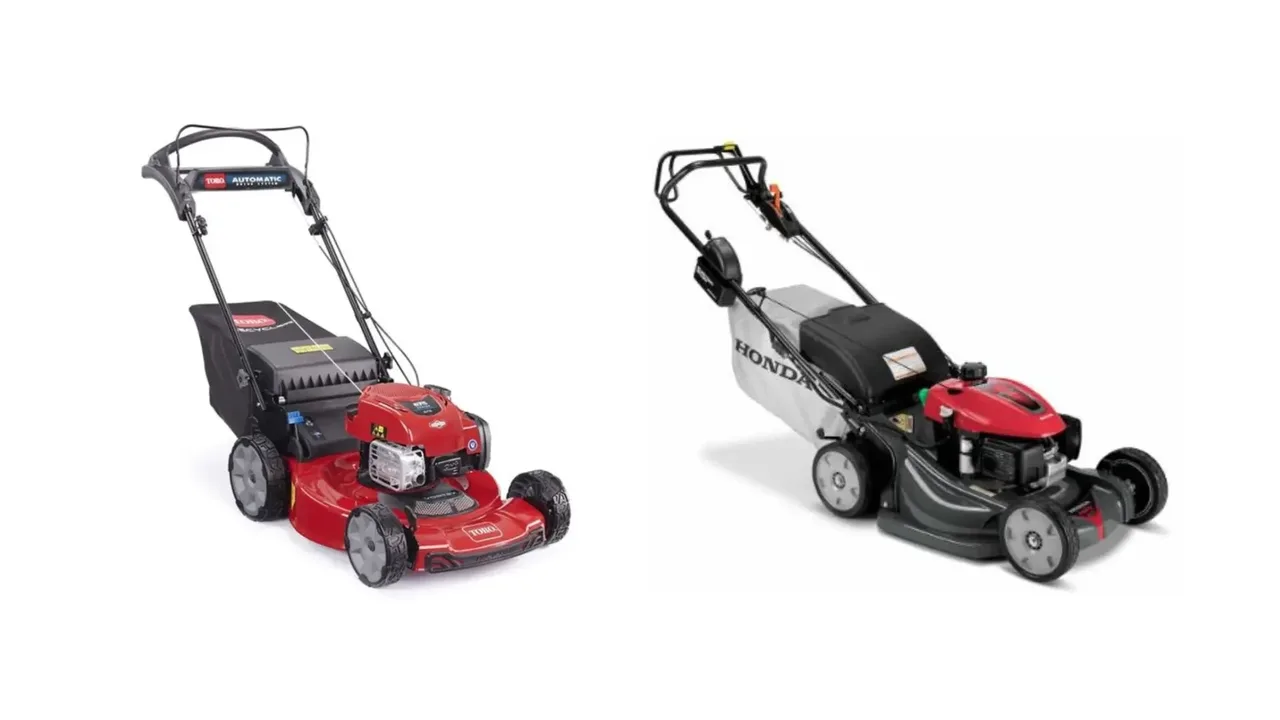
Honda is often the safer pick for refined gas-engine performance and long-term familiarity, while competing brands can win on price, battery technology, traction, deck design, or dealer support. A fair comparison starts with equivalent walk-behind mowers, not a premium Honda against a basic competitor.
Start with the mower category:
- Push mower: You provide all the forward movement, which keeps weight, price, and repair needs lower.
- Self-propelled mower: A transmission helps move the mower, which saves effort on slopes and larger lawns.
- Electric mower: A battery and motor replace gasoline, oil changes, and many engine repairs.
- Riding mower: A separate class for large properties, with different comfort, cutting width, storage, and service needs.
A Honda gas mower should usually be compared with a gas mower from Toro, Husqvarna, Cub Cadet, Snapper, or another brand. A battery Honda should be compared with a battery mower using a similar deck width, battery capacity, drive system, and warranty. Comparing a 21-inch self-propelled gas mower with a 21-inch push battery mower tells you almost nothing useful.
Look at these specifications before you look at the logo:
- Deck width: A 21-inch deck covers more grass per pass than an 18-inch deck, but the wider mower can feel harder to maneuver around trees.
- Cut-height range: A broad range helps you handle cool-season grass, warm-season grass, and seasonal changes.
- Drive control: Variable-speed control feels more natural than a single fixed speed when you work around beds and gates.
- Bagging and mulching: A good deck needs to move clippings cleanly, not just advertise three cutting modes.
- Weight: A heavy mower may feel planted in thick grass but tiring during turns and transport.
- Warranty and service: A nearby parts source can matter more than a small engine-power difference.
Honda’s appeal often comes from the complete package. The engine tends to feel smooth, the controls are familiar, and many homeowners like the confidence that comes from a well-known parts and repair network. That doesn’t mean every Honda is the best fit, and a premium name won’t fix a deck that is too heavy for your yard.
Honda’s gas models also have a practical edge for people who mow until the grass is finished instead of stopping to recharge. Gasoline can be stored for another mowing session, while a battery mower needs a charged pack and a place to keep it at moderate temperatures.
A battery mower can still be the smarter choice if your lawn is small or medium-sized and you value quiet operation. The motor starts with a button, there are no spark plugs or engine oil changes, and cleanup after mowing feels less like a small mechanical project.
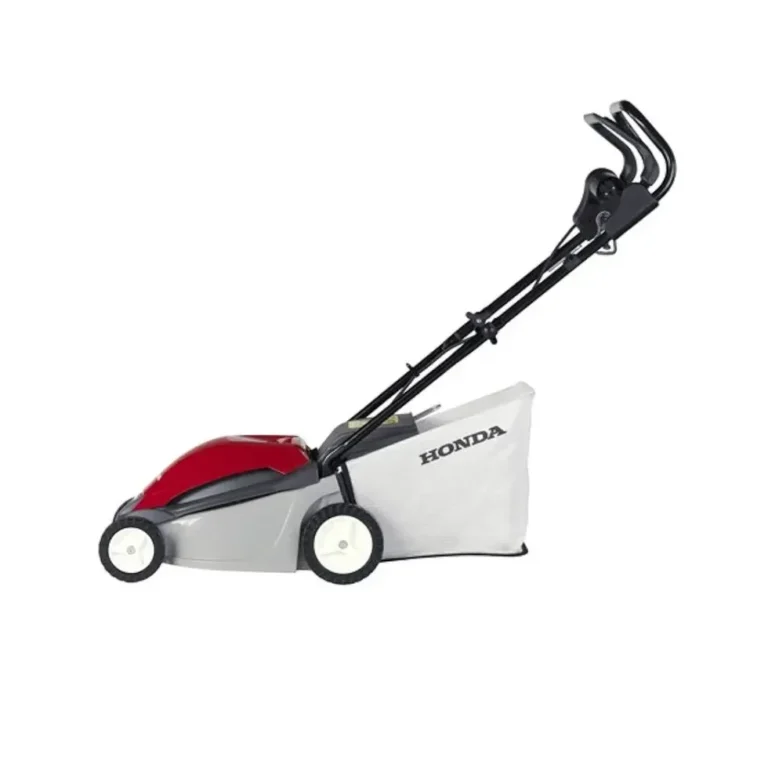
For model-by-model research, these Honda mower comparisons can help you separate Honda series, mower types, and specific machines before you place one brand beside another.
| Comparison factor | Honda gas walk-behind | Competing gas mower | Battery mower |
|---|---|---|---|
| Starting | Pull or electric start, depending on model | Pull or electric start | Push-button start |
| Fuel source | Gasoline | Gasoline | Rechargeable battery |
| Typical noise | Higher | Higher | Lower |
| Runtime | Fuel tank dependent | Fuel tank dependent | Battery capacity and grass conditions |
| Maintenance | Oil, air filter, spark plug, blade | Oil, air filter, spark plug, blade | Blade, deck, battery care |
| Best fit | Larger lawns and long mowing sessions | Value, features, or local support | Smaller lawns, quiet mowing, low routine service |
| Main trade-off | Higher purchase cost on some models | Quality varies by model | Battery and charger cost |
The most useful buying question is not “Which brand is best?” It is “Which mower gives you the cut, handling, runtime, and service support your yard demands?” A 19-inch push mower can be a better buy than a feature-packed 21-inch self-propelled model if your lawn has tight corners and little slope.
- Compare the same mower category before comparing brand names.
- Deck design, controls, and service access matter as much as engine power.
- Honda’s strength is refinement and gas-mower familiarity, not automatic superiority.
- Battery mowers make more sense when quiet operation and low routine maintenance matter most.
How Honda Compares with Major Gas and Battery Brands
Honda’s closest rival depends on the mower type, because Toro, Husqvarna, John Deere, Snapper, Cub Cadet, DeWalt, and EGO aim at different owners. The badge tells you less than the drive system, deck behavior, battery platform, and parts support.
Honda vs Toro
Toro often appeals to homeowners who care about easy controls, practical cutting systems, and a broad selection of walk-behind mowers. Honda commonly appeals to buyers who place a high value on smooth gas-engine behavior and a familiar ownership experience.
The fair Honda versus Toro comparison uses two machines with the same deck width and drive type. If both are self-propelled, test how the speed control responds at walking pace, how easily the mower turns, and how the deck handles damp clippings.
A Toro may be the better fit if the local dealer has stronger parts access or the mower’s control layout suits your hands. Honda may be the better fit if starting feel, engine refinement, and long-term familiarity matter more than a slightly lower purchase price.
The Honda vs Toro mower comparison is useful when the decision comes down to controls, cutting systems, and ownership rather than engine branding.
Honda vs Husqvarna
Husqvarna offers gas and battery equipment across several lawn-care categories, so the exact model matters more than the name. Honda’s gas machines often make sense for regular mowing where steady engine behavior and easy refueling matter.
Husqvarna can appeal to people already using its battery platform or those who want a mower that fits with other yard tools. A shared battery system can reduce charger clutter and let one battery family cover a trimmer, blower, and mower, though high-demand tools may need larger packs.
If you are comparing two push mowers, pay attention to handle comfort, rear-wheel size, deck height adjustment, and storage footprint. A mower that feels light and balanced in the store may still become awkward when the grass catcher is full.
The Honda vs Husqvarna push mower comparison makes sense for buyers choosing between gas-engine familiarity and a broader outdoor power equipment platform.
Honda vs John Deere
John Deere is often associated with riding equipment, but the brand also sells walk-behind mowers in some markets. That creates a common comparison mistake: a homeowner compares a John Deere riding mower with a Honda walk-behind and calls the result a brand decision.
Match the machine to the property first. A walk-behind mower fits smaller lawns, narrow gates, and storage areas where a riding mower would be excessive, while a riding mower can save time across a large open lawn.
The Honda vs John Deere mower comparison helps keep the mower type aligned before you weigh features. Honda may win for a compact yard and hands-on control, while John Deere may make more sense when seating, deck width, and long mowing sessions matter.
Honda vs Snapper
Snapper has a long association with simple lawn equipment and familiar walk-behind designs. Honda tends to attract buyers who want a refined gas engine and a polished control layout.
Check the parts channel before choosing either brand. A mower is easier to own when blades, belts, wheels, cables, and filters are available through a nearby shop or a dependable parts department.
The Honda vs Snapper mower comparison is a good fit when you are weighing model features, bagging behavior, and ownership rather than relying on brand reputation alone. In my view, local service should break a close tie between two otherwise similar gas mowers.
Honda vs Cub Cadet
Cub Cadet offers push, self-propelled, battery, and riding equipment, so the model class needs to match before the comparison means anything. Honda’s main advantage in a gas walk-behind matchup is a familiar engine-centered ownership pattern, while Cub Cadet may offer a different mix of controls, deck features, or price.
A mower with a tall deck and strong discharge can handle heavy spring growth well, but extra weight can make a tight backyard feel like a workout. A simpler mower may be easier to lift into a shed or turn around a garden border.
The Honda vs Cub Cadet push mower comparison is helpful when both machines are intended for ordinary residential mowing. Check the wheel layout and height-adjustment design with your hands, because those details affect every pass across the lawn.
Honda vs DeWalt
DeWalt’s mower appeal centers on battery equipment and the convenience of using a battery platform across compatible tools. Honda’s traditional strength is gas mowing, so a direct comparison should focus on runtime, charging, noise, and power under load instead of pretending the fuel systems are identical.
Battery runtime changes with grass height, moisture, slope, blade speed, and battery size. A neat, flat lawn may fit comfortably within one charge, while thick wet grass can use power much faster.
The Honda vs DeWalt mower comparison helps clarify the ownership factors behind the decision. DeWalt may suit a homeowner already invested in its battery system, while Honda may suit someone who wants quick refueling and long uninterrupted mowing.
Honda Electric Mower Vs EGO
EGO is a major battery-mower name, so the comparison should include the entire battery platform rather than the mower alone. Look at battery capacity, charger speed, replacement cost, handle folding, deck construction, and the way the mower manages thick grass.
A Honda electric mower may appeal to someone who wants a familiar lawn-equipment brand, while EGO can be attractive to a homeowner already using its battery tools. Neither choice makes sense if the battery is too small for the lawn or replacement packs are difficult to budget.
The Honda electric mower vs EGO comparison can help you judge controls, platforms, and ownership costs without treating a quiet motor as the only advantage. Battery convenience is real, but a mower still needs enough energy to finish the whole yard.
What matters more, a larger battery or a wider deck? A larger battery helps with runtime, while a wider deck reduces passes, so the better choice depends on lawn size, grass density, and storage space.
My Buying Preference
I would choose Honda gas power for a larger lawn, thick seasonal growth, or a property where stopping to recharge would be a nuisance. I would choose a battery mower for a smaller lawn near neighbors, especially if the battery already works with tools you own.
I would not pay extra for a brand name alone. A strong local service department, a comfortable handle, and a deck that leaves an even finish can matter more than a small horsepower difference.
Costs, Maintenance, Safety, and Ownership
The purchase price is only one part of a mower’s cost, because fuel, batteries, blades, service, storage, and lost time shape the real ownership bill. A cheaper mower can cost more if parts are hard to get or the machine makes mowing unpleasant.
Gas mowers need regular attention, even when the engine starts easily. Follow the owner’s manual for service intervals, use the correct oil, keep the air filter clean, inspect the spark plug, and drain or stabilize fuel according to the storage instructions.
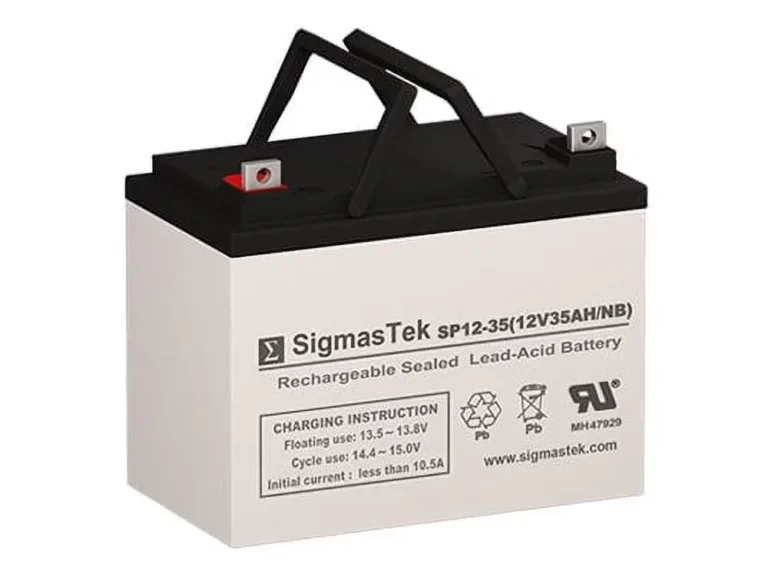
Battery mowers remove many engine tasks but add battery care. Keep the battery and charger dry, store them within the temperature range listed by the maker, and avoid leaving a pack in a hot vehicle or damp shed.
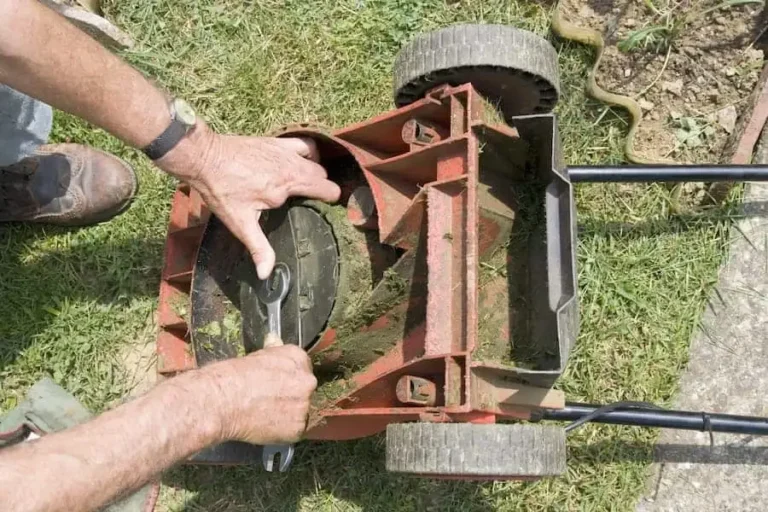
Before maintenance, remove the ignition key or battery, disconnect the spark-plug wire on a gas mower, wait for all moving parts to stop, and wear work gloves when handling the blade. Never tip a mower onto the wrong side without checking the manual, because fuel and oil can move into places that cause starting trouble.
What You Pay For
A basic push mower costs less because the design has fewer drive parts and controls. A self-propelled model costs more because the transmission, cable, drive wheels, and controls add both convenience and future service points.
Battery cost deserves special attention. The mower may appear affordable until you add a charger and a battery large enough to finish the lawn, while a gas mower may need fuel and periodic service from the first season.
The best Honda walk-behind mower depends on your lawn size, slope, preferred drive system, and tolerance for gas maintenance. A smaller push model can be the sensible choice for a flat city lot, while self-propelled drive earns its cost on slopes or larger lawns.
| Ownership item | Gas mower | Battery mower |
|---|---|---|
| Energy cost | Fuel for each mowing session | Electricity for charging |
| Routine service | Oil, filter, plug, blade, fuel care | Blade, deck, battery storage |
| Long-term wear | Drive system, wheels, cables, engine parts | Drive system, wheels, controls, battery |
| Storage concern | Fuel and oil handling | Dry, moderate-temperature battery storage |
| Best budget question | Can local shops service the engine? | Can battery replacement fit the budget? |
I once kept using a mower with a dull blade because the engine still sounded healthy. The grass came out ragged, the tips looked pale a day later, and I spent more time making a second pass than a blade inspection would have taken. A sharp, balanced blade won’t cure every cutting problem, but it prevents a lot of needless frustration.
Cutting Quality And Grass Conditions
A clean cut comes from blade sharpness, deck airflow, mower speed, and grass condition working together. Even a strong engine can leave clumps if you mow wet grass too low or push too quickly through tall growth.
Raise the deck when grass is stressed or unusually tall, then lower it in smaller steps on later cuts. Removing too much grass at once forces the mower to handle a heavy load and can leave windrows across the lawn.
Mulching works best when the deck keeps clippings circulating long enough to cut them into smaller pieces. Bagging works better when the bag, chute, and deck move clippings without clogging, while side discharge can be practical during heavy growth when appearance matters less than speed.
Pro Tip: Keep a spare sharp blade ready if the lawn grows quickly. Swapping blades takes less time than trying to rescue a rough finish with extra passes.
Handling, Slope, And Storage
A self-propelled mower can reduce strain on a slope, but drive wheels do not remove the risk of slipping. Mow across a gentle slope only when the manual permits it, keep both hands on the handle, and never pull a running mower backward toward your feet.
Stop the engine or motor before clearing packed grass. Never reach into the discharge opening with your hand, even when the mower appears quiet, because the blade can move after power is removed or restart on some battery models.
Store the mower under cover with the deck clean and dry. Grass packed beneath the deck holds moisture against metal, blocks airflow, and can turn a simple cleanup into corrosion and clogged discharge.
Important Tip: Keep children, pets, and loose objects away from the mowing area before starting. Hidden sticks, wire, and stones can become dangerous projectiles, and a quick yard scan takes far less time than replacing a damaged blade or window.
Common Buying Mistakes
The most common mistake is choosing by engine size or battery voltage alone. Those numbers don’t tell you how well the deck lifts grass, how the mower turns, or how comfortable the controls feel after 45 minutes.
Other mistakes include:
- Buying a self-propelled mower for a tiny flat lawn where the added weight creates more trouble than help.
- Choosing a battery mower without checking the complete battery and charger package.
- Ignoring replacement blade prices and local parts availability.
- Selecting a deck too wide for gates, sheds, or narrow planting beds.
- Assuming a premium brand has the same service coverage in every town.
- Mowing too low because a short lawn appears easier to maintain.
A short test in a store can reveal more than a long feature list. Fold the handle, adjust the deck, squeeze the drive control, lift the front edge, and turn the mower as if a tree were directly in your path.
Key Takeaways:
- Match mower type, deck width, and power system before comparing prices.
- Gas power favors long sessions and thick growth, while batteries favor quiet, low-service mowing.
- Service access and replacement parts deserve the same attention as the initial price.
- Safe handling, sharp blades, and the right cutting height affect results across every brand.
FAQs About Honda vs Other Lawn Mower Brands
Is Honda better than other lawn mower brands?
Honda is better for some owners, especially people who want smooth gas-engine operation, familiar controls, and dependable parts support. Toro, EGO, Husqvarna, Cub Cadet, and other brands can be better for specific yards when battery convenience, local service, lower price, or a preferred drive system matters more.
Are Honda lawn mowers worth the extra money?
Honda lawn mowers can be worth the extra money when refined engine behavior, comfortable controls, and long-term familiarity matter to you. The added price makes less sense for a small flat lawn if a simpler push mower delivers the same cutting width, bagging performance, and local service access.
Which lawn mower brand lasts the longest?
No single lawn mower brand lasts the longest in every case, because storage, blade care, mowing conditions, service, and parts availability strongly affect life. A well-maintained mower used on suitable grass can outlast a neglected premium mower, so maintenance history matters as much as the badge.
Is Honda better than EGO for electric lawn mowers?
EGO may be better for battery-platform buyers who already own compatible tools or need a mature electric equipment lineup. Honda may suit shoppers who prefer its controls or service network, but the decision should include battery capacity, charger time, replacement cost, runtime, and the lawn’s grass density.
Should I buy a push mower or self-propelled mower?
Buy a push mower for a smaller, mostly flat lawn where light weight and lower cost matter. Choose self-propelled drive for a larger yard, regular slopes, or physical limits that make pushing tiring, but test the speed control because a mower that moves too quickly can be awkward around beds.
How often should a Honda or other mower blade be sharpened?
A mower blade often needs sharpening after roughly 20 to 25 hours of mowing, though sandy soil, sticks, and rough ground can shorten that interval. Replace a blade that is bent, cracked, badly worn, or impossible to balance, and disconnect power before removing or handling the blade.
Choose the Mower That Fits Your Yard
Honda remains a strong choice when you want polished gas performance, familiar operation, and a mower that feels refined every time you start it. It isn’t automatically the right choice, though, because another brand may give you better battery compatibility, easier local service, lower cost, or a more comfortable deck for your property.
Start with the lawn, not the logo. Measure the gates, note the slopes, estimate the mowing time, check storage space, and compare equivalent machines with the same deck width and drive type.
My clearest advice is to test the controls and price the ownership parts before buying. If the mower fits your yard, your body, and your maintenance habits, the brand comparison becomes much easier, and the first cut should feel like a relief instead of another chore.