Does Honda Make an Electric Lawn Mower? Current Models and Ownership
Honda doesn’t currently sell a mainstream Honda-branded battery walk-behind mower in the United States, though Honda has offered electric robotic mowers in some markets. Most American shoppers looking for a Honda mower will find gas-powered models, while battery alternatives come from other brands.
Are you trying to cut the cord before your next mowing season, or did a Honda dealer advertise a mower that turned out to be gas-powered? The confusion makes sense because Honda has a strong reputation for engines, and “electric Honda mower” sounds like a natural next step.
I once spent an afternoon tracking down what I thought was a Honda battery mower, only to find a gas model with an electric-start feature. The starter worked with a battery, but the blade still ran on gasoline, and that small detail changed the whole buying decision.
That’s a common mistake, not a dumb one. Lawn mower listings often use “electric start,” “battery,” and “electric mower” close together, even though those terms describe very different machines.
I wrote this guide for homeowners who want a straight answer, a clean comparison, and a practical way to choose between a Honda gas mower, a battery mower from another brand, or a robotic mower.
If you get the distinction right, you can avoid buying fuel, oil, and maintenance you didn’t want, or avoid buying a battery system that can’t finish your yard. You’ll also know what Honda models actually do, what “electric start” means, and when a cordless mower makes more sense.
This article takes about 11 minutes to read, and it will help you:
- Confirm which Honda electric mower options are actually available.
- Tell electric start apart from a fully battery-powered mower.
- Compare battery runtime, cutting power, maintenance, and cost.
- Pick the right type of mower for your lawn size and grass.
- Avoid common mistakes with batteries, charging, and dealer listings.
Does Honda Make an Electric Lawn Mower?
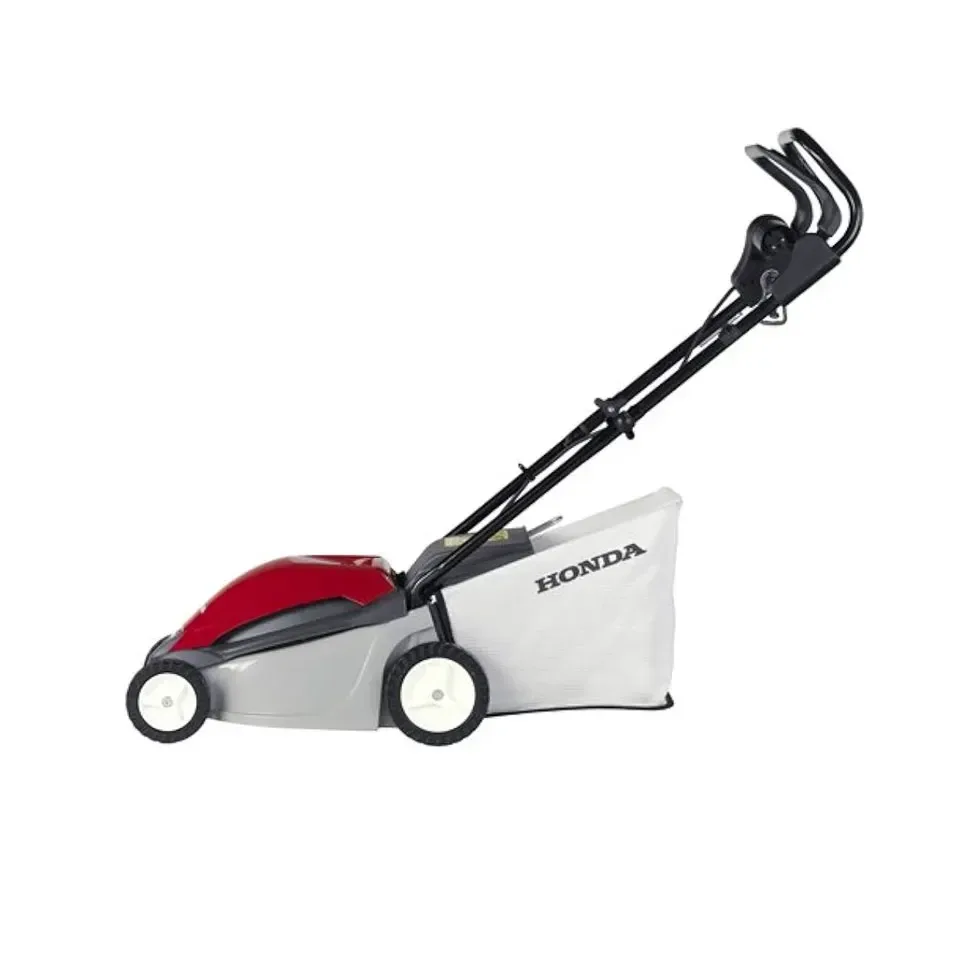
Honda does not currently offer a mainstream battery-powered walk-behind lawn mower in the United States, but Honda has sold electric robotic mowers in selected international markets. American Honda mower choices have mainly centered on gas-powered walk-behind models, so a battery mower with a Honda badge may be a mistaken listing or an imported product.
A battery-powered lawn mower uses a rechargeable battery to run the cutting motor. No gasoline, engine oil, spark plug, carburetor, or fuel stabilizer is needed.
An electric-start mower is different. The mower still uses a gasoline engine, but a small battery turns the starter motor when you press a button or turn a key. The blade and engine still depend on gasoline once the engine starts.
| Mower Type | Main Power Source | Fuel And Oil | Typical Noise | Best Fit |
|---|---|---|---|---|
| Honda gas mower | Gasoline engine | Gas and engine oil | Louder | Large, thick, or damp grass |
| Battery walk-behind mower | Rechargeable battery and electric motor | None | Quieter | Small to medium maintained lawns |
| Honda electric-start gas mower | Gasoline engine with starter battery | Gas and engine oil | Louder | People who dislike pull-starting |
| Robotic electric mower | Rechargeable battery and charging station | None | Very quiet | Regularly maintained lawns with suitable layouts |
| Corded electric mower | Household outlet and extension cord | None | Quiet | Small yards near a safe outlet |
A Honda electric-start mower can be convenient if your shoulder hurts after repeated pulls, but the machine still needs gasoline storage, oil changes, air-filter service, and winter care. A fully electric mower skips those engine chores, though the battery, charger, blade, and electronics still need care.
Honda’s Miimo line has represented the company’s robotic electric mower work in certain regions. A robotic mower is not the same as a handheld battery mower because it cuts on a schedule from a charging base and usually needs a boundary setup around beds, ponds, slopes, and other no-go areas.
Availability changes by country, dealer, and product year. If a local listing claims to sell a Honda battery walk-behind mower, check the model plate, voltage, warranty location, charger, and service support before paying.
The simplest answer is this: a Honda mower with a battery may have an electric starter, while a mower powered entirely by a battery is generally not part of Honda’s regular U.S. walk-behind lineup.
- Honda’s common U.S. walk-behind mowers use gasoline engines.
- Electric start does not mean electric blade power.
- Honda robotic electric mowers have existed in some markets.
- A battery mower from another brand may be the better match for a quiet, low-maintenance yard.
Honda Mower Models and Electric Features
Honda’s familiar walk-behind range is built around gas engines, with differences in deck design, drive systems, cutting control, and commercial durability rather than battery power. The right model depends more on your grass, slope, yard size, and tolerance for maintenance than on the Honda name alone.
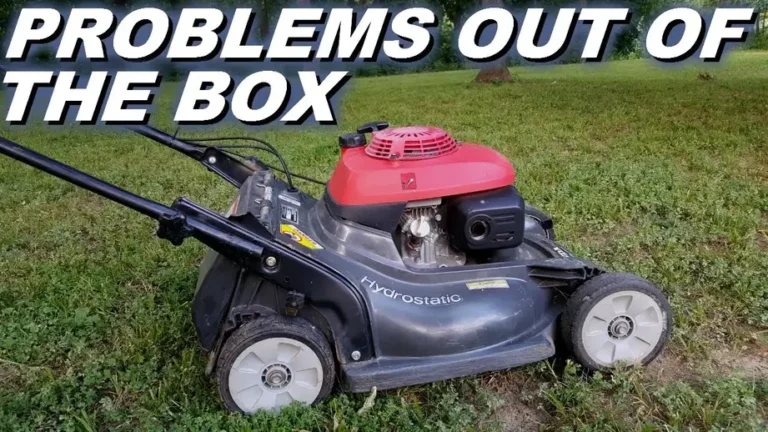
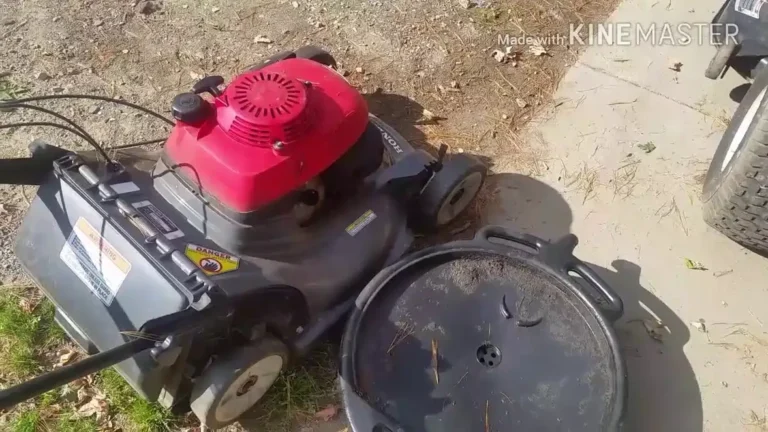
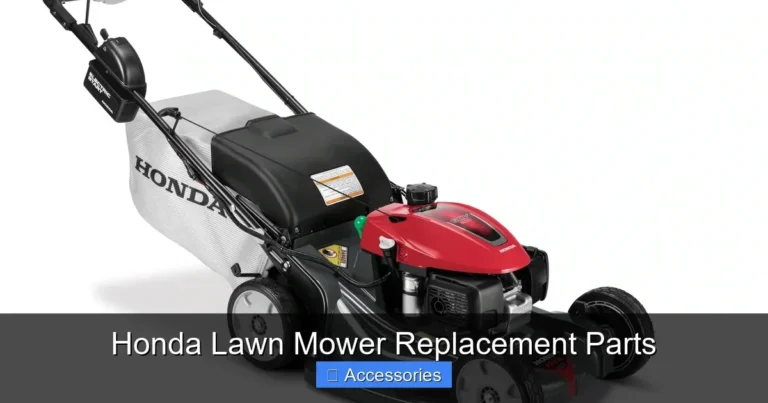
Honda mower families have included basic push mowers, self-propelled models, premium HRX machines, and heavier commercial HRC equipment. A useful Honda lawn mower models comparison normally separates current availability from legacy machines, because a model shown in an old video may no longer be sold new.
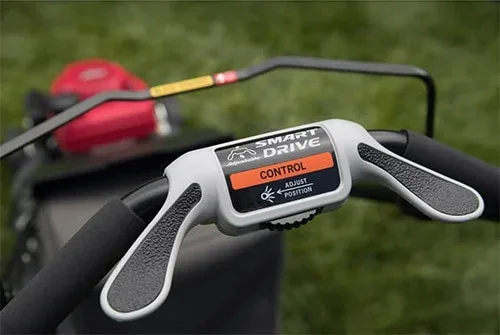
A push mower sends power to the blade while you provide all the forward movement. A self-propelled mower uses a transmission and drive wheels to help move across the lawn, which can save your legs on hills or thick grass.
Honda model names can also create confusion:
- HRN models are residential walk-behind mowers aimed at routine home use.
- HRX models have more advanced deck and mowing features, depending on the exact version.
- HRC models are heavier-duty commercial machines designed for demanding work.
- BE and similar suffixes may identify equipment with electric starting or a particular configuration, not battery blade power.
- Older model letters and regional versions may not match current dealership stock.
The exact engine, deck, drive, and starter setup can vary by model year and market. Read the owner’s manual and the label on the machine rather than trusting a short product title copied across several stores.
Electric Start Is Not Battery Propulsion
Electric start only replaces the pull cord or reduces the effort needed to start the gas engine. Once running, the engine burns gasoline and spins the blade through the mower’s mechanical drive system.
A battery mower has a different layout. The battery sends power to an electric motor, and electronic controls manage blade speed, safety shutoff, and sometimes automatic power adjustment in thick grass.
Why does this distinction matter at the store? A gas mower with electric start may still require fuel cans, oil, seasonal storage, spark-plug service, and engine troubleshooting, while a battery mower trades those jobs for charging and battery care.
I once diagnosed a “dead battery mower” that had only been left with its battery in a hot shed for months. The charger showed a fault, and the owner had to replace the pack before the first cut of spring, which was a pricey reminder that battery storage matters.
A battery pack is a lithium-ion battery, a rechargeable power source that works well for lawn equipment but dislikes extreme heat, deep discharge, moisture, and long periods at zero charge. Store the pack indoors in a dry place, follow the charger instructions, and avoid using a swollen, cracked, or hot battery.
Honda Gas Mower Reviews Can Still Help
A review of the Honda HRN-BV can help if you’re deciding whether a conventional residential Honda mower fits your yard, but that model category should not be treated as an electric option. The same point applies to the Honda HRX-BV, which belongs to Honda’s gas-powered premium walk-behind family.
The Honda HRX-BE deserves separate attention because the electric-start feature can sound like battery operation in a short listing. The mower may start with a battery, yet the cutting work still comes from gasoline.
Commercial buyers may also compare the Honda HRC-BE when durability, deck construction, and service access matter more than low noise. A commercial gas mower can be a strong tool for repeated heavy cutting, but it won’t give you the quiet operation or fuel-free ownership of a battery mower.
I’d pick a Honda gas mower when the lawn is large, the grass gets tall, or you need long uninterrupted cutting. I wouldn’t buy one just because the listing says “electric start” if your real goal is to avoid gasoline.
Battery Mower Ownership Compared with Honda Gas
A battery mower usually costs less to operate and makes less noise, while a Honda gas mower generally offers longer continuous cutting and stronger recovery in heavy grass. Battery ownership feels easy on a small, regularly cut lawn, but the choice gets harder with acreage, wet grass, steep slopes, or scattered trees.
Battery mower runtime depends on the pack’s watt-hours, blade load, grass height, moisture, speed, deck width, and temperature. Watt-hours, written as Wh, describe stored energy, so a 600-Wh pack generally holds more energy than a 300-Wh pack, though the mower’s design still affects actual cutting time.
Honda does not provide a universal cordless mower battery runtime because Honda’s common U.S. walk-behind line is not a single battery platform. Runtime information from other brands can range from roughly 20 to 60 minutes per charge under different conditions, but marketing tests may use light, dry grass and ideal settings.
How long does a Honda cordless mower battery last if a listing claims one exists? Treat the claim cautiously, confirm the exact model and market, and ask whether the number means cutting time, idle motor time, or a light-load test. Battery life also means two different things: minutes per charge and the number of seasons before the pack holds less energy.
| Ownership Factor | Battery Mower | Honda Gas Mower |
|---|---|---|
| Startup | Push button, lever, or key | Pull cord or electric starter |
| Routine energy | Recharge electricity | Gasoline |
| Engine oil | Not required | Required on applicable engines |
| Noise | Lower | Higher |
| Cutting endurance | Limited by battery and spare packs | Usually limited by fuel |
| Wet, tall grass | May slow or stop sooner | Usually handles it better |
| Storage | Dry indoor battery storage | Fuel and engine winter care |
| Maintenance | Blade, deck, battery, charger | Blade, deck, oil, filter, plug, fuel system |
| Best value | Small or medium maintained yard | Bigger or tougher mowing workload |
Battery models can be cheaper to start if a homeowner already owns the same brand’s battery platform. Buying a mower, charger, and two large batteries from scratch can push the initial price close to, or above, a gas mower.
Gasoline costs more each time you mow, and old fuel can cause starting problems. Battery electricity usually costs less per cut, but replacement battery packs can be expensive enough to change the long-term math.
Battery Runtime And Yard Size
A small, flat lawn with short grass may fit comfortably within one charge. A half-acre yard with thick spring growth may need a second battery, a pause for charging, or a larger mower category.
Use the cut area, not just the lot size, when choosing runtime. A 0.25-acre property may contain a house, driveway, patio, garden, and trees, leaving much less grass than the raw lot number suggests.
A practical planning method works like this:
- Measure or estimate the actual mowable area.
- Note whether grass is dry, thick, wet, or frequently overgrown.
- Check the manufacturer’s runtime range for the exact deck and battery.
- Choose a spare pack if charging between cuts would frustrate you.
- Keep the blade sharp because a dull blade wastes battery power.
The Honda cordless mower battery runtime topic needs special care because “Honda cordless mower” may refer to a regional product, a third-party listing, or confusion with electric start. Ask for the exact battery part number before relying on a stated runtime.
Maintenance, Storage, And Weather
Battery mowers have fewer mechanical parts, but they aren’t maintenance-free. Remove the battery before cleaning, keep water away from electrical openings, inspect the blade, and follow the manufacturer’s instructions for tipping the mower.
Gas mowers need more attention. Check oil level before use, clean blocked grass from the deck, replace or service filters as required, and use fresh fuel according to the manual. Never refuel a hot engine, and keep gasoline away from sparks, flames, children, and enclosed living spaces.
Important Tip: Before working under any mower deck, shut the machine off, remove the battery or disconnect the spark-plug wire as directed by the manual, and wait for every moving part to stop. A mower can retain stored blade movement or start unexpectedly if the power source stays connected.
Don’t charge a battery on a damp porch, near a heater, or under a pile of clothing. A charger needs ventilation, and a damaged battery belongs out of service until the manufacturer or a qualified service shop gives you a safe next step.
Choosing the Right Electric Alternative
The best electric alternative depends on your lawn’s size, grass condition, storage space, and existing battery tools. A lightweight push mower suits a small flat yard, while a self-propelled battery model makes more sense for slopes or heavier grass.
Start with the lawn rather than the brand. A quiet battery mower may be a delight on a small suburban lot, but it can become a slow chore if you’re cutting tall wet grass every week.
Match Mower Type To The Yard
A push battery mower works well when the lawn is flat and the walking distance is short. A self-propelled model adds weight and cost, but the drive system can help on slopes and reduce fatigue.
A gas Honda mower may be the practical pick for:
- Lawns larger than a typical suburban yard.
- Thick turf that grows quickly after rain.
- Areas where charging access is poor.
- Long mowing sessions without a spare battery.
- Property owners who already maintain gas equipment.
A battery mower may fit better when:
- Noise matters because houses are close together.
- You mow at times when a gas engine would annoy neighbors.
- The lawn is small or medium and cut regularly.
- You want to avoid fuel and oil storage.
- You already own compatible batteries and a charger.
A robotic mower suits a different lifestyle. It cuts little by little, returns to a charging station, and keeps grass short instead of removing a tall load once a week. It may struggle with separate lawn sections, steep slopes, rough ground, narrow passages, toys, pet mess, and poorly defined borders.
I’d choose a robotic mower only after checking the lawn’s layout on foot. A simple rectangle with a clear boundary is a much easier match than a yard split by a driveway, stone path, pond, and garden beds.
What To Check Before Buying
Check these details on the product page, box, or dealer quote:
- Battery voltage and watt-hour rating.
- Included battery quantity and charger type.
- Claimed cutting area or runtime conditions.
- Deck width and cutting-height range.
- Push or self-propelled drive.
- Collection bag, mulching, and side-discharge options.
- Replacement battery price and local availability.
- Warranty coverage for the battery and charger.
- Blade replacement access.
- Storage requirements and weather limits.
A wider deck can reduce passes, but it may be harder to maneuver between trees and garden beds. A narrow mower can turn more easily and fit a smaller shed, though you’ll walk more rows.
Cutting height also matters. Removing too much grass in one pass strains the motor and leaves clumps, especially when the lawn is wet. Raise the deck for an overgrown lawn, mow more slowly, and make a second pass after the grass dries.
Pro Tip: Bring a photo of your mower deck label, battery slot, and charger when asking a dealer for help. Model families often look alike, while the correct battery or blade can differ.
Cost And Value
A gas mower often has a lower entry price when the package includes no large battery system. A battery mower can win over several seasons if you mow frequently, already own compatible packs, and avoid replacement batteries for a long time.
Cost categories worth comparing include:
- Mower and included equipment.
- Extra batteries and a second charger.
- Fuel, oil, and stabilizer.
- Replacement blades and filters.
- Battery replacement after reduced capacity.
- Dealer labor and transport.
- Storage space and winter preparation.
The best Honda lawn mower depends on the job, not a universal winner. A basic gas Honda may beat a premium battery mower on long grass and continuous runtime, while a cordless model may feel far better on a compact lawn beside sleeping children or close neighbors.
Don’t compare only the sticker price. Compare the complete package over the time you expect to own it, including batteries, fuel, service, and the value of quieter, faster cleanup.
Common Mistakes with Electric Lawn Mower Listings
Most electric mower buying mistakes come from confusing the starter, the motor, and the battery system. A careful check of the product label can prevent a return, a missing charger, or a mower that cannot handle your lawn.
Watch for these wording traps:
- “Electric start” means the gas engine starts electrically.
- “Battery included” may refer only to the starter battery.
- “Cordless” should mean the blade motor runs from a removable or built-in battery.
- “Hybrid” can mean different power arrangements, so read the specifications.
- “Honda powered” may describe an engine installed in another brand’s mower.
- A marketplace listing may combine photos and details from different models.
When a listing seems too vague, ask for the model number, engine type, battery voltage, charger part number, and warranty region. A legitimate seller should be able to provide those details without hand-waving.
Can a Honda gas mower be converted into a battery mower? Not safely as a casual home project. Replacing an engine with an electric motor changes the blade drive, controls, balance, guarding, safety systems, and frame loads, so a qualified equipment designer would need to handle the work.
Avoid buying an imported robotic mower without checking mapping support, replacement parts, charging equipment, and local service. A low purchase price can vanish fast when a region-specific battery or boundary component fails.
Important Tip: Never bypass a blade-control bar, interlock, boundary sensor, or automatic shutoff to make a mower run. Those systems exist to reduce injury risk, and a workaround can create a dangerous machine.
If the mower stalls repeatedly, first stop the machine and disconnect its power source as directed by the manual. Then check for packed grass, a dull blade, an overloaded battery, low charge, or a cutting height set too low.
A hot battery, burning smell, melted connector, damaged insulation, or unusual buzzing calls for immediate shutdown. Don’t open a lithium-ion battery pack or keep charging it to “test” the problem.
FAQs About Does Honda Make an Electric Lawn Mower
Does Honda sell a battery-powered lawn mower in the United States?
No, Honda’s mainstream U.S. walk-behind lawn mower lineup has generally used gasoline engines rather than removable battery power. Honda has offered electric robotic mower products in selected markets, so availability depends on country and product year. Confirm the model plate, charger, warranty, and dealer support before buying an imported unit.
Is a Honda electric-start mower fully electric?
No, a Honda electric-start mower is still powered by gasoline while mowing. The small battery operates the starter motor, which turns the gasoline engine on. The blade continues to receive mechanical power from the gas engine, so the mower still needs fuel, oil, engine maintenance, and proper storage.
Does Honda make a cordless self-propelled mower?
Honda does not commonly list a cordless self-propelled walk-behind mower in its regular U.S. consumer range. Other equipment brands offer cordless self-propelled models with removable lithium-ion batteries. Check deck size, battery capacity, replacement cost, and service support rather than assuming a Honda engine brand means battery operation.
Is a Honda robotic mower the same as a battery lawn mower?
No, a Honda robotic mower and a handheld battery lawn mower use different mowing systems. A robotic mower travels on its own, returns to a charging station, and cuts small amounts on a schedule. A handheld battery mower needs you to guide it and usually removes more grass in one session.
Are battery lawn mowers powerful enough for thick grass?
Yes, a battery lawn mower can handle thick grass when the battery has enough capacity, the blade is sharp, and the deck is set high enough. Tall wet grass can overload a smaller motor and reduce runtime quickly. Regular mowing, slower walking speed, and a spare battery help a cordless mower manage heavier conditions.
Should you buy a Honda gas mower or an electric mower?
Choose a Honda gas mower for long sessions, large lawns, thick growth, and work far from a charger. Choose a battery mower for quieter operation, low routine maintenance, and a small or medium yard that gets cut regularly. The better choice comes from the lawn’s workload, not the badge on the handle.
The Practical Choice for Your Lawn
Honda’s reputation can make a battery mower seem like an obvious product, but the U.S. walk-behind market has not made that assumption simple. A Honda electric-start mower is still a gas mower, while Honda’s electric robotic products belong to a different category and may not be sold in your area.
My practical advice is to measure the grass you actually mow, list the maintenance you’re willing to accept, and compare the full battery package against a gas mower. If quiet, clean, easy starting matters most on a modest lawn, a well-supported cordless mower from another brand is a sensible choice.
If the yard is large, rough, wet, or frequently overgrown, a Honda gas mower may still save time and frustration. Before buying, confirm the exact model number and power source in writing, then choose the machine that matches the work rather than the word “electric” in a listing.