Honda Lawn Mower Series Comparison: HRN, HRX, HRR and HRC
The HRN is the sensible all-around choice, the HRX is Honda’s feature-rich residential line, the HRR is an older basic series, and the HRC is the heavy-duty commercial option. Your best pick depends on grass height, yard size, bagging needs, drive controls, and whether you’re buying new old stock or a used mower.
Are you trying to sort out names that sound nearly identical while listings show different engines, decks, and drive systems? Are you wondering if an HRX is really worth paying more for, or if a clean older HRR could handle your yard just fine?
I once grabbed a used mower because the seller said it was “basically the same” as a newer premium model. The deck looked great, but the drive cable was tired and the rear bag frame had been bent, so the bargain turned into a Saturday of greasy knuckles and replacement parts. That’s a common mistake, not a dumb one.
I wrote this guide for homeowners comparing Honda walk-behind mower series without getting buried in model codes. The goal is to give you a clear answer, useful buying checks, and enough trade knowledge to avoid paying premium money for an ordinary machine.
Get the series right, and you can gain easier mowing, better clipping control, fewer repairs, and a mower that matches the size of your lawn. Choose poorly, and you may push extra weight, fight an awkward control system, or inherit a discontinued part that takes patience to locate.
This takes about 12 minutes to read, and you’ll come away with:
- A quick series-by-series verdict for HRN, HRX, HRR, and HRC mowers.
- The real differences between Smart Drive, Select Drive, and hydrostatic systems.
- A practical way to judge used Honda mowers by condition instead of stickers.
- Clear guidance for bagging, mulching, hills, rough grass, and commercial use.
- Maintenance and safety checks that protect the engine, blade, and drive system.
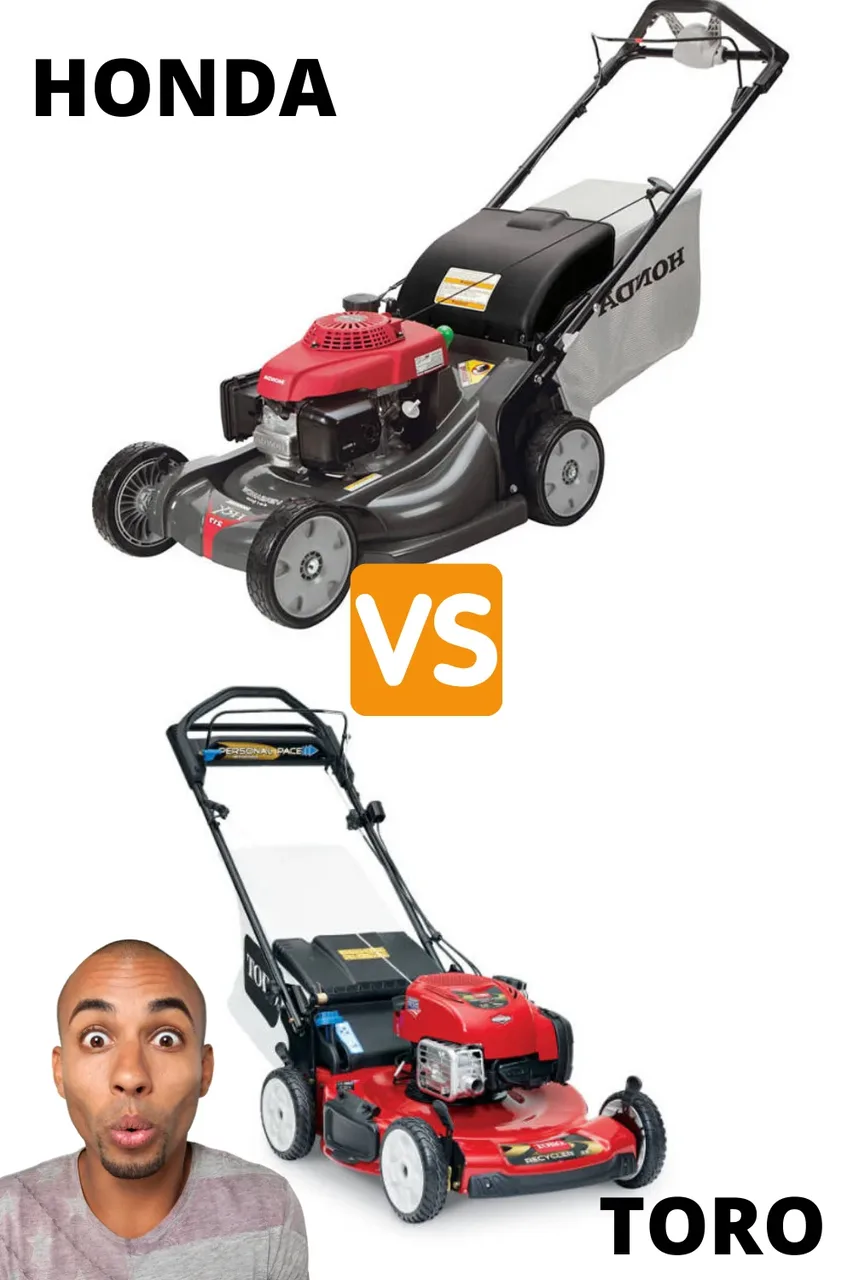
Honda Lawn Mower Series Comparison: Which Series Fits You?
The HRN fits most homeowners, the HRX suits people who want better cutting and clipping control, the HRR makes sense as a low-cost used mower, and the HRC earns its place on demanding properties or commercial routes.
| Honda series | Best fit | Main strengths | Main drawbacks |
|---|---|---|---|
| HRN | Typical residential yards | Strong all-around performance, simple ownership, useful self-propelled models | Fewer premium deck and control features than HRX |
| HRX | Larger or demanding home lawns | Versamow-style clipping control, durable deck, better operator features | Heavier, more expensive, more parts to inspect |
| HRR | Budget used-mower buyers | Straightforward design, familiar controls, often inexpensive | Older machines may need cables, wheels, belts, or carburetor work |
| HRC | Commercial or rough-duty mowing | Heavy-duty build, strong service focus, hydrostatic options on some models | More expensive, heavier, and excessive for many small lawns |
Honda series names identify the mower family, not the complete machine. The final letter or number can change the engine, deck size, transmission, wheel design, handle, starter, and discharge setup, so the model tag matters more than a seller’s short description.
The HRN line generally sits in the middle of the residential range. An HRN mower is a good match for a typical suburban lawn with moderate slopes, regular mowing, and occasional leaves or damp clippings.
The HRX line moves toward premium residential equipment. Honda’s Versamow system, where fitted, lets you adjust how much grass goes into the bag and how much stays under the deck for mulching, which saves time when the lawn changes from week to week.
The HRR series belongs mostly to the older residential group. A well-kept HRR can still cut cleanly, but age matters more than the badge now because rubber wheels, control cables, plastic bushings, belts, and fuel-system parts wear even when the engine still starts.
The HRC line is built with heavier use in mind. HRC models commonly bring a tougher deck, stronger components, and service-friendly features, though the exact setup varies by model and production period.
For a broader model-by-model view, this Honda mower comparison guide belongs beside a series comparison because the same family can contain very different machines.
HRN vs HRX
The HRN is usually the better value, while the HRX gives you more control over mowing and clipping management. The HRX makes more sense when you mulch often, switch between bagging and side discharge, or want a deck designed for long residential service.
The question is simple: will you use the extra features, or will they sit untouched while you mow once a week? If the answer is a normal bag-and-go routine, the HRN may save money and reduce the number of controls you need to maintain.
A typical HRN can handle ordinary cool-season or warm-season turf when the blade is sharp and the deck height is correct. An HRX can do the same job, but the added deck and clipping controls give you more options when grass gets tall, wet, or leafy.
The comparison between these two series also depends on generation. Honda changed details across production runs, so a late HRN can be a better purchase than a neglected early HRX.
For the control layout, deck design, and generation differences, this HRN versus HRX breakdown is the right comparison to use before you trust a model badge.
HRX vs HRC
The HRX is aimed at demanding homeowners, while the HRC is aimed at people who need commercial-grade durability and frequent service access. A homeowner with a large property may appreciate an HRC, but many residential lawns don’t justify the added weight and cost.
The HRC becomes more attractive when mowing happens several times a week, the property has rough patches, or the mower will be transported and used for paid work. The HRX is usually easier to live with around a house because it offers strong cutting performance without feeling quite as industrial.
Hydrostatic drive on certain HRC models gives smooth speed changes through a transmission system that uses hydraulic pressure instead of fixed gear changes. That setup can feel excellent during long mowing sessions, but repairs may cost more than a basic cable-operated drive system.
A clean HRX with documented maintenance can beat a worn HRC in real-world ownership. Heavy-duty construction helps, but neglect still wins every argument.
Use this HRX versus HRC mower comparison when the choice comes down to residential comfort against commercial strength.
HRR vs HRX
The HRR is the better low-cost choice when purchase price matters most and the machine passes a careful mechanical check. The HRX is the better choice when you want newer features, stronger clipping control, and a greater chance of finding a mower in less-worn condition.
The HRR can be surprisingly capable on a small or medium yard. A sharp blade, correct engine speed, and steady walking pace matter more than a premium badge when the grass is dry and not overgrown.
The tradeoff is age. An HRR may need a new drive cable, wheel gear, recoil starter, fuel line, or blade adapter even when the engine sounds healthy.
The HRR versus HRX guide helps separate legitimate series differences from seller talk, especially when an older mower has been repainted or photographed from only one side.
- Pick HRN for balanced residential value.
- Pick HRX for better clipping control and premium home use.
- Pick HRR only after checking age-related wear.
- Pick HRC for heavy use, rough conditions, or commercial work.
Controls, Cutting Systems, and Yard Conditions
Honda mower controls change how tiring a job feels, but the best system is the one you can operate smoothly. A mower that cuts beautifully yet makes your hand cramp or surges on hills will become a garage ornament before long.
Smart Drive, Select Drive, And Hydrostatic Systems
Smart Drive uses a hand control that lets you adjust forward speed by changing pressure with your palm. Many operators like the quick response, while others dislike holding a position for a long time on a large lawn.
Select Drive uses a more conventional speed-selection approach, giving you a chosen range rather than constant palm pressure. That arrangement can feel more predictable if you prefer setting a pace and concentrating on the path ahead.
Hydrostatic drive uses fluid pressure to vary ground speed smoothly. Hydrostatic systems often feel natural on long passes and changing slopes, but the transmission, drive belt, pulleys, and control linkage still need inspection.
Which system feels best on a hill? Smart Drive can be quick to adjust, Select Drive can feel steady, and hydrostatic control can offer the smoothest speed changes, but handle reach and your grip strength matter just as much as the mechanism.
This Smart Drive versus hydrostatic guide covers service concerns and ownership tradeoffs, while this Smart Drive versus Select Drive comparison focuses on what your hands and feet actually do during mowing.
Before testing a used self-propelled mower, check the drive system with the blade disengaged where the design allows it. Move the control gradually, listen for grinding or belt slap, and confirm that the mower stops pulling when the control is released.
Pro Tip: Walk a short slope with the engine off before buying a used mower. A bent handle, awkward grip, or weak wheel bearing can feel minor for 30 seconds and miserable after 45 minutes.
Mulching, Bagging, And Side Discharge
Mulching cuts clippings into smaller pieces and returns them to the lawn. Bagging removes the clippings and gives a tidy finish, while side discharge spreads long or wet grass away from the deck.
A mower with adjustable clipping control is useful when spring growth is thick but summer mowing is light. You can bag tall grass, mulch short dry grass, and avoid stopping every few minutes to change a plug or empty a bag.
Deck height matters just as much as the clipping system. Cutting more than one-third of the grass blade at once can leave a rough finish and create heavy clumps, especially when the turf is damp.
Use this quick matching guide:
- Dry, short lawn: Mulching usually works well.
- Tall or wet grass: Bagging or side discharge reduces clumping.
- Leaf-covered lawn: A capable mulching deck can save repeated raking.
- Overgrown vacant lot: Side discharge is often more practical than bagging.
- Showpiece turf: A sharp blade and consistent height matter more than extra controls.
A premium deck cannot rescue a dull blade. If the blade edge feels rounded, leaves stand back up after mowing, or the tips look torn instead of sliced, sharpening or replacement should come before adjusting the mower series.
Deck Size, Weight, And Terrain
Most Honda walk-behind comparisons involve 21-inch residential decks, though the exact model can vary. A 21-inch deck gives a practical balance between fewer passes and manageable weight around trees, beds, gates, and narrow side yards.
Heavier mowers often track better and feel planted, but they take more effort to turn and lift. That difference matters when you move the machine into a truck, across a step, or around a tight garden corner.
A flat half-acre lawn may favor a lighter HRN or HRX. A sloped yard with thick turf may reward traction and a sturdy drive system, while a rough field can punish small wheels and lightweight housings.
Wheel size affects rough-ground comfort. Larger rear wheels roll over shallow holes more easily, but wheel height alone doesn’t guarantee strong traction because tire condition and drive layout also matter.
Important Tip: Never mow across a steep slope if the mower manual recommends another direction. A walk-behind mower can pull sideways, lose traction, or tip toward your feet, especially on damp grass.
My Costly Shortcut With A Drive System
I once accepted a used self-propelled mower after testing only the engine, because the motor started on the first pull and sounded smooth. On the first real lawn, the drive slipped whenever the grass thickened, and the repair turned into a belt, cable adjustment, and a drive pulley inspection.
That little test taught me to load the transmission before buying. A mower can idle beautifully and still have a tired drive system, so a real inspection needs more than a cold start and a quick listen.
Buying, Inspecting, and Maintaining A Honda Mower
The best Honda mower is the one with the right condition, parts support, and operating fit. A clean HRN can be smarter than a worn HRX, and a maintained HRX can be a better buy than a neglected HRC.
Honda lawn mower production and model availability have changed over time, so many buyers now compare remaining inventory with used equipment. That makes the serial plate, exact model code, engine condition, and local parts access more valuable than a vague listing that says “Honda commercial.”
What To Check Before Buying Used
Bring a flashlight, a rag, and enough time to inspect the mower without feeling rushed. A seller who won’t let you check the deck, oil, drive, and controls is giving you useful information before you spend a dollar.
Inspect these areas in order:
- Model identification: Record the full model code and serial information from the mower label.
- Deck condition: Look for deep rust, cracks, welded repairs, and thin metal around the blade area.
- Blade and adapter: Check for a bent blade, damaged fastener, or unusual wobble.
- Engine oil: Low, glittery, or thick black oil suggests poor service or internal wear.
- Starting behavior: A cold engine should start without excessive smoke or repeated priming.
- Drive operation: Test forward movement at more than one speed and listen for slipping.
- Controls: Check the safety bail, throttle, speed control, height levers, and bag release.
- Wheels: Rock each wheel side to side and inspect worn teeth or loose bearings.
- Bag and chute: Confirm that the bag frame sits correctly and the discharge path isn’t cracked.
- Handle and folding joints: Look for bent tubing, loose fasteners, and damaged cable guides.
Blue smoke can point to oil entering the combustion chamber, while heavy black smoke often suggests too much fuel or restricted airflow. A brief puff after tipping can have a different cause, but repeated smoke deserves a mechanic’s opinion.
A mower that vibrates strongly at full speed needs caution. The blade may be bent, the adapter may be damaged, or the crankshaft may be out of alignment, and running it repeatedly can turn a modest repair into engine damage.
Maintenance That Protects The Series
Maintenance schedules vary by model, so the owner’s manual and engine label should guide exact intervals. The basic routine still stays familiar: fresh fuel, clean air filtration, correct oil level, a sharp blade, clean cooling fins, and properly adjusted cables.
Drain or stabilize fuel before long storage. Old gasoline can leave varnish in the carburetor, making a good engine hard to start when spring arrives.
Clean packed grass from under the deck after the engine is cool and the spark plug wire is disconnected. Never place hands under the deck while the blade could move.
Sharpen the blade while keeping the cutting edge balanced. An unbalanced blade can create vibration that damages bearings, loosens fasteners, and makes the handle buzz through your hands.
Check drive cables before the season starts. A cable that feels sticky, stretched, or slow to return can prevent the mower from stopping correctly, which is a safety problem rather than a minor adjustment.
Important Tip: Disconnect the spark plug wire before clearing grass, inspecting the blade, or tipping a gas mower for cleaning. Keep the wire away from the plug so the engine can’t start accidentally.
Repair Costs And Parts Decisions
Repair value depends on the mower’s age, deck condition, engine health, and access to parts. A cable, wheel, blade, or air filter can be a sensible fix, while a badly rusted deck, damaged crankshaft, and failing transmission may push the machine past its practical value.
| Problem | Often reasonable to repair? | What changes the decision |
|---|---|---|
| Dull or bent blade | Usually yes | Confirm the blade adapter and crankshaft are sound |
| Worn drive cable | Usually yes | Check whether the transmission also slips |
| Damaged wheel | Usually yes | Compare wheel cost with total mower condition |
| Dirty carburetor | Often yes | Look for compression, smoke, and fuel-system damage |
| Rusted deck | Sometimes | Surface rust differs from holes or structural cracks |
| Slipping transmission | Depends | Repair access and parts cost can vary sharply |
| Bent crankshaft | Rarely | Replacement may cost more than a used mower |
I’d spend money first on a good blade, fresh oil, a clean air filter, and correct cable adjustment. Those repairs improve cutting and safety, while cosmetic work can wait unless rust threatens the deck.
If you want a purchase recommendation rather than a family breakdown, this best Honda mower guide can help compare intended use, current availability, and the practical difference between a bargain and a sound machine.
Choosing By Property Type
A small, flat lawn doesn’t need commercial hardware. A light HRN or clean older HRR may be easier to store and turn around obstacles.
A medium residential lawn with thick growth is where the HRX earns more attention. Better clipping control can reduce stops, and a stronger deck may hold up well when mowing happens regularly.
A large property with slopes calls for traction, comfortable controls, and a pace you can maintain without leaning hard into the handle. The mower should move with you instead of making every pass feel like a tug of war.
Paid mowing changes the calculation. A commercial operator needs downtime kept low, service access kept practical, and components that tolerate repeated loading, which points toward the HRC category when the specific model and condition support that choice.
Common Mistakes That Waste Money
Many buyers compare engine size while ignoring the deck and transmission. A larger engine doesn’t automatically mean better mowing if the blade system is damaged or the drive slips.
Another mistake is buying a premium mower for features you won’t use. If you never mulch, never adjust speed, and always mow a small flat lawn, extra controls may add weight without adding much value.
People also forget transport. A heavy mower that barely fits your storage shed or requires awkward lifting may be used less often, allowing grass to grow too tall and making each mowing session harder.
Avoid judging a used machine by a fresh wash. Water and degreaser can hide oil leaks, loose hardware, and old grass packed around the drive. Start the mower cold, inspect it dirty, and ask what work was done.
- Condition beats the series badge on the used market.
- Test the drive under load, not just the engine at idle.
- Match deck features to how you mow, not to the longest feature list.
- Treat blade, cable, deck, and safety-control checks as buying requirements.
FAQs About Honda Lawn Mower Series Comparison
Is the Honda HRX better than the HRN?
Yes, the HRX is generally the more feature-rich residential series, especially for mulching, bagging, and clipping-control flexibility. The HRN is often the better value for a straightforward suburban lawn. A well-maintained HRN can cut just as cleanly when both mowers have sharp blades and correct deck height.
Is the Honda HRC worth it for homeowners?
Sometimes, but the HRC makes the most sense for heavy residential use, rough properties, or commercial mowing. HRC models can be heavier and more expensive to repair than HRN or HRX models. A homeowner should choose HRC hardware only when durability and service access justify the extra weight.
Which Honda mower series is best for mulching?
The HRX is usually the strongest choice for homeowners who mulch often because its clipping-management system offers more control than basic residential designs. Mulching still depends on dry grass, proper mowing height, a sharp blade, and regular cutting. No series mulches well through tall wet grass.
Is an older Honda HRR mower still worth buying?
Yes, an HRR can be worth buying when the deck is solid, the engine starts cold, the blade runs smoothly, and the self-propelled system works correctly. Age-related parts are the main concern. Inspect wheels, cables, belts, bag frames, and fuel-system behavior before treating a low price as a bargain.
Are Honda Smart Drive controls reliable?
Yes, Smart Drive controls can last well when cables, linkages, and drive components receive proper care. The operator should still test for delayed engagement, slipping, uneven response, or a control that fails to return. Hand comfort matters too, because a reliable control that causes fatigue may still be a poor personal fit.
Can a Honda residential mower handle a large yard?
Yes, a Honda HRN or HRX can handle a large residential yard if the terrain, grass height, and mowing schedule stay within the mower’s design. Large slopes, rough ground, and frequent commercial-style use favor heavier equipment. Regular mowing and sharp blades reduce the stress placed on any residential mower.
The Best Choice Depends on the Work
For most homeowners, I’d start with a clean HRN because it gives a useful balance of cost, cutting ability, and simple ownership. I’d move up to an HRX when mulching control, premium deck features, or heavier residential use genuinely matter.
The HRR can be a smart used purchase, but only after a hands-on inspection. The HRC is the right direction for commercial workloads and rough service, not automatically the best answer for a small home lawn.
Your next step is straightforward: write down your yard size, slope, grass type, mowing method, and storage limits, then compare those needs with the exact model code. That small bit of homework can save you from buying a shiny mower that feels wrong before the first full tank is gone.