Honda Battery Mower Systems: Packs, Charging and Drive Options
Honda lawn mower battery and drive systems depend on the exact mower, because a battery can power the blade, the wheels, the starter, or more than one of those jobs. Match the battery voltage and capacity to the mower, use the approved charger, and choose wheel drive based on your yard rather than the badge on the deck.
Are you trying to figure out why one Honda mower battery costs more than another, or why a mower with self-propelled drive feels great on a hill but awkward around a tight flower bed? Maybe you’re also wondering if a bigger battery gives more cutting time, or if a quick charger can shorten the battery’s useful life.
I once rushed through a battery replacement on a mower that had a similar-looking connector but a different charging setup. The mower started, then quit halfway across a damp patch, leaving me with a half-cut strip and a hot battery case. That’s a common mistake, not a dumb one.
I wrote this guide for homeowners who want a clean answer before spending money on a mower, battery pack, charger, or drive repair. The goal is to separate the battery job from the drive job, then show where those systems overlap.
Get the match right and you gain predictable runtime, smoother traction, fewer dead batteries, and less wrestling with the mower. Get it wrong and you can face slow charging, poor hill control, premature battery wear, or a machine that refuses to run.
This article takes about 12 minutes to read, and it will help you:
- Match battery voltage and amp-hours to the mower’s real requirements.
- Pick standard or quick charging based on your mowing routine.
- Tell front-wheel, rear-wheel, all-wheel, and push drive apart.
- Diagnose common battery, charger, and self-propelled problems.
- Decide when a repair makes sense and when another mower type fits better.
Honda Lawn Mower Battery and Drive Systems Explained
Honda lawn mower battery and drive systems work best when you treat them as two connected but separate systems: the battery supplies electrical power, while the drive system transfers power to the wheels. A battery-powered mower may use electricity for the blade motor and wheel motor, while a gas mower may use a small battery only for electric starting or control features.
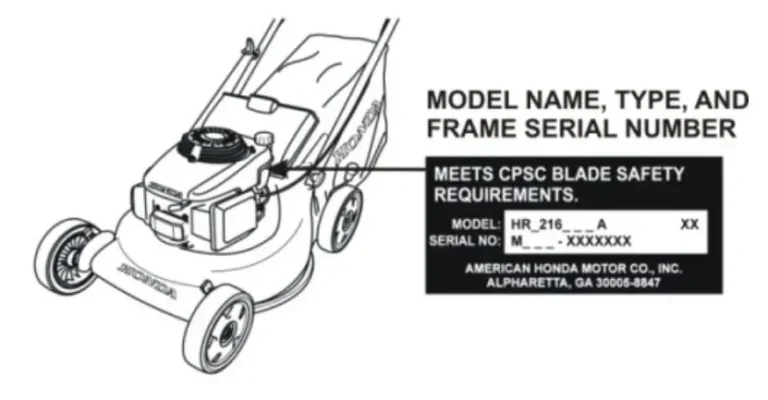
Start with the mower’s identification label and owner’s manual before buying anything. The model family, voltage, connector style, battery chemistry, charger output, and drive layout all matter more than a battery’s physical size.
A mower marked for a certain voltage needs a battery pack built for that voltage. Voltage is electrical pressure, while amp-hours, written as Ah, describe how much charge a battery can store under stated testing conditions.
A higher Ah rating usually supports longer cutting time, though the gain changes with grass height, blade speed, slope, temperature, tire condition, and how hard the mower works. A 12Ah pack can last longer than an 8Ah pack in the same approved system, but it may weigh more, cost more, and charge longer.
The drive system determines how the mower moves. A walk-behind mower can use:
- Push drive, where your arms supply all forward motion.
- Front-wheel drive, which helps on flat lawns and turns easily.
- Rear-wheel drive, which gives stronger traction on slopes and uneven ground.
- All-wheel drive, which sends power to all four wheels for demanding terrain.
A self-propelled mower usually has a wheel-drive motor or transmission, a speed control, a drive cable or electronic control, and a gear or belt arrangement. A battery-powered model may run both the blade and wheel drive from one pack, so aggressive self-propelled use can cut runtime sharply.
The battery pack and drive system should be judged together. A mower that cuts thick, wet grass while climbing a slope asks much more from its battery than a mower trimming short, dry grass on a level suburban lawn.
Honda model families also differ in deck design, blade control, self-propelled hardware, and intended duty. A useful starting point is a broader Honda mower comparison when you’re deciding between series rather than troubleshooting one machine.
The battery job and the drive job
Battery-powered cutting uses a motor to spin the blade instead of burning fuel in an engine. The battery sends power through an electronic controller, which regulates motor speed and protects the pack from overload, overheating, or excessive discharge.
Wheel drive can use a separate motor or draw from the same electrical system. Shared power is convenient, but the battery may drain faster when the drive speed is high or the mower is pushed through tall grass.
A gas Honda mower with electric start has a different setup. The engine still creates cutting power, while a small battery may operate the starter motor, ignition controls, or other electrical parts. That battery is not automatically interchangeable with a battery pack from a cordless mower.
Do you need a bigger battery just because the lawn is large? Not always, because mowing pattern, grass density, and charging access can matter more than lawn size alone. A small lawn with thick spring growth may use more energy than a larger lawn cut frequently at a steady pace.
A practical match for common yards
| Yard condition | Battery and drive choice | Why it fits |
|---|---|---|
| Small, flat lawn with short grass | Moderate-capacity battery, push or front-wheel drive | Lower weight and easy turning matter more than maximum runtime |
| Medium lawn with mild slopes | Mid-to-high capacity battery, rear-wheel drive | Extra traction helps when the deck gets heavy with clippings |
| Large lawn with thick grass | High-capacity approved pack, rear-wheel or all-wheel drive | Cutting load and wheel load can arrive at the same time |
| Tight yard with beds and trees | Lighter battery, front-wheel drive or push drive | Easy lifting and turning reduce fatigue |
| Steep or uneven yard | High-capacity system, rear-wheel or all-wheel drive | Driven wheels stay planted better on slopes |
| Yard with limited storage space | Compact pack and standard charger | Lower heat and simpler storage can matter more than fast charging |
The table is a starting point, not a promise of runtime. A mower’s own manual remains the deciding source for compatible battery packs, chargers, replacement parts, and slope limits.
Choosing Battery Packs, Chargers, and Runtime
Battery selection comes down to compatibility first, capacity second, and weight third. A pack with the wrong voltage or communication system can fail to run the mower, damage components, or create a charging problem.
Lithium-ion batteries are common in cordless outdoor equipment because they store a lot of energy without the heavy weight of older battery types. Lithium-ion packs still need proper charging, dry storage, and protection from extreme heat.
Voltage, amp-hours, and watt-hours
Voltage tells you the electrical level the mower expects. Amp-hours tell you the charge capacity, but watt-hours give a more useful rough energy comparison because watt-hours equal volts multiplied by amp-hours.
A 48-volt, 8Ah pack has a nominal energy rating of about 384 watt-hours. A 48-volt, 12Ah pack has about 576 watt-hours, so the larger pack holds roughly 50 percent more nominal energy before losses and working conditions enter the picture.
That does not mean runtime rises by exactly 50 percent. Cold weather, wet grass, blade sharpness, tire drag, and drive speed can erase part of the difference.
The 8Ah versus 12Ah choice also changes handling. A heavier pack can make the mower harder to lift into a shed, while the extra capacity can reduce battery swaps on a larger lawn.
One linked comparison focuses on the same tradeoff, including 8Ah and 12Ah batteries, so use the battery label and mower instructions before choosing the larger pack.
Standard charger or quick charger?
A standard charger is usually the calmer choice for routine mowing. A quick charger pushes current into the battery at a higher rate, which can help when two lawns must be cut close together, but the charger and battery must be designed to work together.
Charging speed depends on the pack’s battery management system, charger output, battery temperature, and charge level. A charger may slow near full charge to protect the cells, so the last part of the cycle can take longer than the first part.
A quick charger cannot fix a worn battery. If the mower runs for only a few minutes, the pack becomes unusually hot, or the charger stops early, the fault may be in the battery, charger, connector, or control electronics.
Honda owners comparing charging options can weigh the standard and quick chargers against their actual mowing schedule. I’d pick a standard charger for a homeowner who cuts once a week and has overnight storage, then reserve a quick charger for frequent mowing with an approved battery system.
Before charging, follow these safety steps:
- Move the battery and charger to a dry, ventilated area away from gasoline, fertilizer, rags, and direct sun.
- Let a hot pack cool and let a cold, damp pack warm and dry before charging.
- Inspect the housing, terminals, cable, and charger for cracks, melted plastic, corrosion, or a burnt smell.
- Stop charging if the pack swells, leaks, smokes, hisses, or becomes much hotter than usual.
- Use only the charger specified for that battery family.
Important Tip: Don’t charge a damaged lithium-ion pack in a garage corner beside cardboard or fuel cans. A strange smell or swollen case is a stop sign, not a minor annoyance.
What happened when I trusted a runtime guess
I once planned a long mowing session around the Ah number printed on a replacement pack, then used a high drive speed through heavy, wet grass. The battery indicator fell much faster than expected, and I had to finish with a second pack while the first cooled on a concrete shelf.
The practical lesson was simple: Ah ratings help compare packs in the same system, but the mower’s workload decides the real runtime. Sharp blades, the right deck height, clean air paths, and a sensible drive speed can save more charge than a small capacity upgrade.
Battery storage and care
Store a removable battery in a dry place protected from freezing temperatures, high heat, and moisture. The exact storage charge depends on the battery maker, so follow the manual rather than guessing from the display.
Avoid leaving a fully drained pack untouched for weeks. Check the battery periodically during the off-season, and don’t leave the charger connected indefinitely unless the instructions allow that setup.
Clean terminals with the approved method, not with water poured into the connector. Never open a sealed battery pack, bypass a fuse, or join damaged wires to force a mower to run.
Comparing Drive Options, Model Fit, and Repairs
Drive choice should follow terrain and handling needs. A heavy-duty drive system can help on slopes, yet a lighter push mower may feel better on a small yard filled with gates, trees, and sharp turns.
Self-propelled drive means the mower supplies wheel motion through a transmission, belt, gearset, or wheel motor. The handle control may adjust speed, engage the wheels, or communicate with an electronic controller.
Front-wheel drive
Front-wheel drive lifts or pulls the front wheels through powered contact, which makes turning around shrubs and garden beds easier. The front wheels can lose grip when the deck is full of grass or when the mower climbs a slope.
Front-wheel drive suits flat or gently rolling lawns with frequent turns. Keep the front tires properly inflated, because low pressure can make steering feel heavy and uneven.
Rear-wheel drive
Rear-wheel drive gives the powered wheels more weight and often better traction while climbing. The mower can feel more stable on a slope, though tight turns may require releasing the drive control or lifting the front slightly.
Rear-wheel drive is my usual pick for a yard with slopes, thick grass, or rough patches. It doesn’t make unsafe slopes safe, and you still need to follow the mower’s operating limits.
All-wheel drive
All-wheel drive sends power to both axles. That can help when the lawn is uneven, damp, or difficult to cross in a straight line.
The tradeoff is added weight, more parts, higher repair cost, and a stronger need for matching tire condition. If one tire is badly worn or underinflated, the mower may pull or scrub instead of rolling smoothly.
Push drive
A push mower has fewer drive parts and usually weighs less. Push drive works well when you want simple maintenance, easy turning, and a lower purchase cost.
A push mower becomes tiring on a large lawn or steady incline. The battery may last longer because no electrical energy goes to wheel movement, but your legs pay the bill instead.
Comparing Honda mower classes
Residential and commercial Honda mower lines can differ in deck construction, handle layout, blade controls, transmission hardware, and service expectations. A model built for occasional home mowing may not suit daily property work, even if both machines have self-propelled drive.
The HRN-BV versus HRX-BV comparison helps frame a common residential choice, while the HRX-BV versus HRX-BE comparison focuses on differences within the HRX family. Those distinctions matter because drive controls and convenience features can affect both comfort and repair needs.
An entry-level mower can be the smarter buy for a flat quarter-acre lawn. A premium mower earns its higher price when you use the drive system often, need stronger deck construction, or want more control over speed and cutting conditions.
The gap between residential and commercial equipment grows when mowing hours increase. The HRN-BV versus HRX-BE comparison is useful when a homeowner is tempted to buy a premium model without knowing whether the added hardware will pay off.
Commercial-duty equipment deserves its own question: will the machine run often enough to justify more weight, maintenance, and purchase cost? The HRX-BE and HRC-BE comparison helps separate a premium residential mower from equipment aimed at harder service.
Drive symptoms and likely causes
| Symptom | Likely cause | First safe check |
|---|---|---|
| Blade runs but wheels don’t move | Drive control, cable, belt, motor, or transmission fault | Stop the mower, remove the battery or spark-plug connection as directed, then inspect the control and belt area |
| Drive works briefly, then stops | Low battery, overheating, overloaded motor, or controller protection | Let the mower cool and test with a charged approved pack |
| Mower pulls to one side | Uneven tire pressure, tire wear, bent hardware, or drive imbalance | Check tire pressure and inspect both sides for damage |
| Wheels spin on slopes | Poor traction, worn tread, wet grass, or front-wheel-drive limitation | Slow down, mow across safe slopes only, and stop if control is uncertain |
| Battery drains quickly with drive engaged | High grass load, fast drive speed, heavy mower, or weak pack | Raise the deck for tall grass and compare runtime with drive disengaged |
| Charger shows full but mower dies quickly | Battery capacity loss, connector issue, or indicator fault | Inspect contacts and have the pack tested if the problem repeats |
Safety comes before troubleshooting. Remove the battery before reaching near the blade, belt, wheel motor, or drive linkage, and follow the manual if the mower uses a different isolation procedure.
A mower that loses traction on a slope should not be “fixed” by adding speed. Slow the machine, choose a safer mowing direction, or use another mower suited to that terrain.
Routine drive maintenance
Keep the underside, wheel area, and cooling openings free of packed grass. Grass clippings can increase drag, block airflow, and make an electric motor run hotter.
Check tire pressure at the interval listed by the manufacturer. The wrong pressure changes deck height, steering feel, traction, and how much load reaches the drive system.
Inspect belts, cables, and wheel gears for looseness or damage. If a cable adjustment reaches the end of its range, replacing the cable may be safer than forcing the control harder.
Keep the blade sharp and balanced. A dull blade makes the motor work harder, leaves ragged grass, and can reduce battery runtime even when the drive system is working perfectly.
Buying Decisions, Safety, and Troubleshooting
The best Honda mower choice is the one that fits your lawn, storage, service access, and mowing habits. A premium battery or drive system can feel wasteful on a small flat lawn, while an underpowered setup can turn every mowing day into a chore.
Start with these buying questions:
- How many square feet do you cut in one session?
- Is the grass usually dry and short, or tall and damp?
- Are slopes mild enough for safe walk-behind mowing?
- Do you need to lift the mower over steps or into a vehicle?
- Can you charge the battery indoors in a dry, ventilated location?
- Will replacement batteries and chargers remain available for the model?
Don’t judge a mower by battery capacity alone. Deck width, blade speed, drive load, discharge design, grass height, and operator pace all shape the result.
A model with a large battery may still disappoint if the blade is dull or the deck is set too low. A smaller pack may work nicely when the mower is lightweight, the lawn is maintained often, and a second approved pack is available.
The broad buying question is often which machine offers the best balance rather than which machine has the biggest battery. A current-model best Honda mower comparison can help organize that decision, but the final choice should follow your yard and the model’s service details.
Safe operating habits
Read the slope guidance for the exact mower before operating on an incline. Walk-behind mowers can lose footing quickly on wet grass, loose soil, leaves, or steep ground.
Wear sturdy shoes with good traction, keep bystanders away from the cutting area, and stop the blade before crossing gravel, paths, or driveways. Remove the battery or disconnect the approved power source before clearing packed grass.
Never bypass a safety bar, blade brake, interlock, fuse, or controller protection. Those parts may feel inconvenient when a mower refuses to start, but bypassing them can turn a small electrical fault into a blade or fire hazard.
Keep gasoline-powered equipment away from battery charging areas. Fuel vapors and electrical sparks are a bad combination, even when the charger looks small and harmless.
A repair sequence that saves time
- Confirm the complaint. Note whether the blade, drive, display, charger, or whole mower stops working.
- Check the simple conditions. Confirm the battery is seated, the charger is connected correctly, the handle control is engaged, and the safety bar is in its operating position.
- Inspect without power. Look for grass buildup, damaged wires, loose connectors, worn tires, broken belts, and cracked plastic.
- Test one approved component at a time. A known-good charger or battery can narrow the fault, but don’t mix parts from another voltage family.
- Check temperature and timing. A mower that stops after 15 minutes may have an overload or heat issue, while a mower that never starts may have a connection or control fault.
- Stop before opening sealed electronics. A dealer or qualified small-engine and outdoor-power technician should handle battery-pack repair, controller diagnosis, and high-current wiring.
A battery indicator with four bars does not prove the pack can deliver full power under load. A weak pack can show a normal resting charge, then drop sharply when the blade and wheel drive demand current.
If the mower works with the blade off but stops under cutting load, inspect the blade, deck buildup, grass height, and motor cooling path before blaming the charger. If the blade runs normally but the wheels stop, focus on the drive control, wheel motor, belt, transmission, or controller.
When a different mower makes more sense
A corded electric mower may fit a tiny yard with a nearby outlet, though cord management can be annoying around trees and beds. A gas mower may suit long mowing sessions where refueling is easier than charging, while a battery mower can be quieter and cleaner to store.
A riding mower or zero-turn machine may fit a large property, but those machines need more storage, maintenance, and clearance. A walk-behind mower remains the better fit when gates are narrow or the lawn has many small sections.
I wouldn’t buy all-wheel drive just because it sounds stronger. If your yard is flat and crowded with obstacles, lighter weight and easy turning can matter more than extra traction.
Pro Tip: Mark your mowing route before buying a second battery. If a single pack cannot finish the lawn, a route that avoids repeated passes may solve part of the problem without adding weight or cost.
- Match voltage, connector, charger, and battery family before comparing Ah ratings.
- Use rear-wheel or all-wheel drive for stronger traction on suitable slopes.
- Treat fast charging as a scheduling tool, not a cure for a weak battery.
- Remove power before clearing grass or touching blades, belts, and drive parts.
FAQs About Honda Lawn Mower Battery and Drive Systems
Can a larger Ah battery run a Honda mower longer?
Yes, a larger approved Ah battery usually provides more stored energy and can extend runtime in the same voltage system. Actual runtime still changes with grass height, moisture, blade sharpness, drive speed, temperature, and slope load, so the mower’s manual and battery compatibility list matter more than Ah alone.
Does self-propelled drive use more battery power?
Yes, self-propelled drive normally uses more battery power than blade operation alone because the mower must move its own weight and overcome grass, slopes, and tire resistance. Higher wheel speed, soft soil, and thick grass can shorten runtime noticeably during the same cutting session.
Is rear-wheel drive better than front-wheel drive?
Rear-wheel drive is usually better for traction while climbing, while front-wheel drive is often easier to turn around beds and trees. Rear-wheel drive doesn’t remove slope risk, and front-wheel drive can be perfectly suitable for a level lawn with frequent direction changes.
Can I use any charger with a Honda mower battery?
No, a Honda mower battery should use a charger approved for that exact battery family, voltage, and charging system. A charger with the wrong output can fail to charge, damage the pack, trigger protection, or create a serious heat and fire hazard.
Why does a mower battery die faster in tall grass?
Tall or wet grass makes the blade motor work harder, so the battery supplies more current for longer periods. A low cutting height, dull blade, packed deck, high drive speed, or underinflated tires can add even more load and make the battery indicator fall quickly.
Should I repair a battery pack or replace it?
Replace or professionally evaluate a battery pack that is swollen, cracked, leaking, unusually hot, or losing capacity quickly. Sealed lithium-ion packs should not be opened at home, and a certified repair channel or qualified outdoor-power technician is safer for internal cells and control boards.
The Right System Makes Mowing Easier
Honda lawn mower battery and drive systems make the most sense when the battery, charger, deck, terrain, and drive layout are treated as one working package. A large battery cannot rescue a dull blade, a poor tire setup, an overloaded deck, or a mower that doesn’t match the yard.
My practical choice is a moderate-capacity approved battery, a standard charger for regular home use, and rear-wheel drive when slopes or thick grass are part of the routine. For a flat lawn with many obstacles, a lighter mower with push or front-wheel drive may feel better every week.
Start by writing down the mower model, battery voltage, Ah rating, charger model, yard size, and slope conditions. That short list will lead you toward the right replacement or new mower far faster than guessing from a product photo.