Why Is My Honda Lawn Mower Smoking? Oil, Tilt and Engine Checks
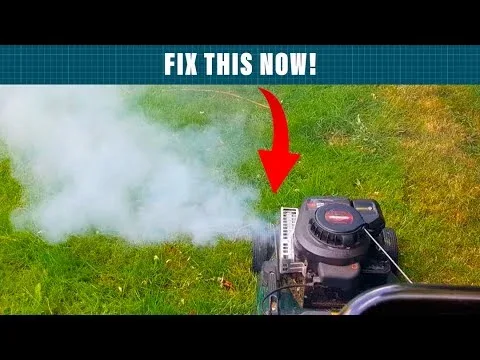
A smoking Honda lawn mower usually has oil burning on a hot engine, too much oil in the crankcase, a dirty air filter, or damage from tipping the mower. Blue or white smoke often points to oil, while black smoke usually means the engine is getting too much fuel.
Did smoke start pouring out after you changed the oil, washed the deck, or tipped the mower on its side? Is the engine still running smoothly, or is it coughing, surging, losing power, and leaving a sharp burnt smell behind?
I once rushed through an oil change on a mower and left a thin oily streak around the filler neck. The next time the engine warmed up, smoke curled off the muffler like a tiny campfire, and I had to stop, cool everything down, and clean the whole side of the engine. That’s a common mistake, not a dumb one.
I wrote this to help you sort harmless spilled oil from a problem that can damage the engine or create a fire risk. You don’t need a shop full of tools, just a cool mower, a level surface, and a calm step-by-step check.
If you find the cause early, you can avoid fouled spark plugs, wasted fuel, hard starting, and an expensive repair. If you keep mowing while oil is burning heavily, the engine may lose lubrication, smoke more, or stop altogether.
This guide takes about 9 minutes to read, and it’ll help you:
- Match smoke color and smell to the likely cause.
- Check the oil level without getting a false reading.
- Inspect the air filter, muffler, deck, and underside safely.
- Know when a short cleanup is enough and when a repair shop makes sense.
Why Is My Honda Lawn Mower Smoking? the Fast Diagnosis
A Honda lawn mower smokes because oil, fuel, or debris is reaching a hot engine surface or entering the combustion process. Turn the mower off, let it cool fully, clean spilled fluid, check the oil level, inspect the air filter, and only then restart it briefly.
Start with the smoke color and the moment it appeared. The pattern usually narrows the problem before a wrench ever comes out.
| Smoke or symptom | Likely cause | First safe check |
|---|---|---|
| Blue-gray smoke after an oil change | Spilled or overfilled oil | Wipe the engine and check the dipstick |
| White smoke after tipping | Oil entered the air intake or cylinder area | Let the mower sit level, then inspect the filter |
| Black smoke with a rough engine | Restricted air filter or excess fuel | Inspect and clean or replace the air filter |
| Smoke from grass clippings | Dry debris near the muffler | Cool the mower, then brush debris away |
| Smoke with a strong fuel smell | Fuel leak or flooding | Stop using the mower and check the fuel system |
| Heavy smoke that continues | Internal oil-control or engine fault | Arrange professional service |
If smoke appears only for a minute after oil spilled on the muffler, cleaning may solve the problem. If smoke continues after the engine is clean and the oil level is correct, stop testing and arrange a proper inspection.
A mower that smokes after being tipped needs extra care. Oil can travel into the air filter housing, carburetor area, or combustion chamber, depending on the direction and length of the tilt.
A small amount of white or blue smoke after a short, careful tilt can clear once the excess oil burns away. Thick smoke, oil dripping from the air filter, or hard starting means the mower needs more than a quick restart.
The first five checks
- Shut the engine off and disconnect the spark plug wire. Keep the wire away from the spark plug so the engine can’t start while your hands are near the blade, deck, or filter.
- Wait for the muffler and engine to cool. Hot metal can ignite spilled fuel, burn skin, or make fresh oil look thinner than it really is.
- Move the mower onto level ground. A slope can make a normal oil level appear too high or too low.
- Wipe oil, fuel, and grass from the engine. Use a rag for fluid and a dry brush for loose debris.
- Check the oil, air filter, and muffler area. Don’t restart until you’ve removed anything touching a hot surface.
If you’re unsure how to check the oil without making a mess, check Honda mower oil using the correct dipstick position and the procedure for your engine style.
Check Oil Before You Blame the Engine
The oil level is the first mechanical check because too much oil can create smoke, while too little oil can cause severe engine wear. Check the level with the mower level, the engine stopped, and the dipstick prepared according to the cap design.
Honda mower engines use different dipstick and filler arrangements. Some caps have a dipstick that gets threaded in before reading, while other designs use a dipstick that rests on the opening, so follow the markings and instructions on your specific mower.
Use this process:
- Park on a flat surface and stop the engine.
- Wait several minutes for oil to drain back into the crankcase.
- Remove the dipstick and wipe it clean.
- Put the dipstick back in the manner marked on the cap, then remove it again.
- Read the oil between the low and full marks.
- Add a small amount only if the level is low, then wait and recheck.
Never pour in a full bottle just because the crankcase looks empty. Oil trapped in the engine can take time to settle, and an overfilled crankcase can push oil into the breather system, air filter, or combustion chamber.
Pro Tip: Add oil in small portions, around 2 fluid ounces at a time, then recheck. A few seconds of patience can save you from draining an overfilled engine onto the driveway.
Oil on the muffler often creates blue-gray smoke and a sharp, greasy smell. Oil around the crankcase breather can also reach the air intake, where the engine burns it and produces smoke.
The right oil matters, but the correct grade depends on the engine model, air temperature, and the mower manual. If you’re comparing options, choose Honda mower oil by matching the engine’s stated viscosity and service requirements rather than picking a bottle by brand color.
What low oil looks like
Low oil may not create smoke right away. A mower with low lubrication can run hot, sound louder than normal, lose power in thick grass, or shut down as the engine temperature rises.
Some Honda engines have an oil alert or shutoff feature, but not every mower has the same setup. Never treat a warning light or automatic stop as permission to keep mowing without checking the oil.
If the dipstick shows little or no oil, don’t keep restarting the engine. Add the correct oil to the marked range, then investigate why the level dropped, especially if you find fresh oil under the mower.
What overfilled oil looks like
An overfilled engine may smoke, foul the spark plug, push oil into the air filter, or run unevenly. In severe cases, the crankshaft churns the oil into foam, which doesn’t protect moving parts as well as a stable oil film.
Drain excess oil with the engine cold and the spark plug wire disconnected. Use the drain method listed for your mower, or have a small-engine technician remove the excess if you’re not comfortable working underneath the deck.
I once found a mower that had been topped off repeatedly because the owner read the dipstick while the machine sat on a slope. The oil level looked low every time, and the air filter ended up soaked. The practical lesson is simple: level ground matters more than most people expect.
Air Filters, Tipping and Deck Debris
A dirty air filter can make a Honda lawn mower run rich, while tipping the mower or blocking the muffler can turn a small maintenance mistake into visible smoke. Inspect these areas only after the engine is cool and the spark plug wire is disconnected.
A rich mixture contains too much fuel and not enough air. The usual clue is black smoke, a gasoline smell, weak acceleration, or an engine that sputters when the throttle opens.
Remove the air filter cover carefully and check the filter type:
- A paper filter should usually be replaced when dirty, oily, crushed, or damp.
- A foam filter may be washable if the mower’s instructions allow it.
- An oil-wet filter can point to overfilling, tipping, or a breather problem.
- A filter packed with dust can starve the engine for air and produce black smoke.
Don’t soak a paper filter, blow high-pressure air through it, or reinstall a foam filter dripping with oil. A filter that looks clean on the outside can still be restricted inside.
What happens if the mower smoked right after you tipped it to clean the deck? Leave the mower level, inspect the filter, and let any spilled oil drain away before a short test run.
Tip a Honda mower without sending oil everywhere
Before lifting or tilting a mower, remove the spark plug wire and let the engine cool. Drain or protect the fuel as directed for your model, and keep the air filter and carburetor side facing upward when the mower design allows it.
Avoid turning a push mower fully upside down. That position can move oil and fuel into places they don’t belong, and the blade can shift unexpectedly if the spark plug wire is still connected.
For the cleaning method, clean the Honda mower deck with the mower supported safely and the blade area treated as dangerous even when the engine is off.
Grass under the deck can rub against the blade, hold moisture against metal, and collect near the muffler. A thick mat of dry clippings can smolder when the mower runs in tall, dry grass.
Important Tip: Never spray water onto a hot muffler or engine. Rapid cooling can damage parts, and water around electrical connections can create starting trouble later.
Brush loose clippings away after the mower cools. If packed grass has hardened under the deck, wear work gloves and use a plastic scraper, not bare fingers near the blade.
Smoke from the muffler area
The muffler and heat shield run hot enough to burn oil, fuel, plastic, or grass. Smoke rising from the side of the engine doesn’t automatically mean the internal engine is failing.
Look for:
- A wet oil trail from the filler neck.
- Fuel around the tank, hose, or carburetor.
- Grass touching the muffler or heat shield.
- A loose or bent heat shield.
- Melted plastic near the exhaust.
Fuel smoke deserves more caution than a little oil residue. If you smell raw gasoline, spot a wet fuel line, or notice fuel dripping, don’t restart the mower. Move the machine away from flames and have the leak repaired.
When Smoke Means Engine Trouble
Persistent smoke after cleaning and correcting the oil level can point to worn engine parts, a blocked breather, a damaged gasket, or oil entering the cylinder. Continued blue smoke during normal mowing deserves professional diagnosis.
A mower that smokes for a few seconds after spilled oil may be fine once the residue burns off. A mower that smokes every time it warms up has a repeating source that needs attention.
Common signs of a deeper fault include:
- Blue smoke that continues under load.
- Oil falling below the dipstick mark between mowing sessions.
- A wet, oily spark plug.
- Hard starting after the mower sits.
- Heavy oil residue inside the air filter housing.
- Knocking, sharp tapping, or a sudden loss of power.
A rough-running engine can have several causes at once. Use diagnose rough Honda running when smoke comes with surging, sputtering, uneven speed, or power loss, since the right repair depends on separating fuel, air, ignition, and compression symptoms.
Don’t remove the spark plug or inspect the blade while the wire remains connected. The engine can start if the blade moves, and even a small movement can cause a serious cut.
A simple restart test
After the mower cools, the oil level is correct, the filter is in place, and the exhaust area is clean, start the engine outdoors. Keep your face and hands away from the muffler, and let the mower run for only a short period while watching the smoke.
Stop immediately if smoke gets thicker, the engine races, raw fuel appears, oil sprays, or the engine makes a hard metallic sound. Don’t keep running a machine just to “burn off” a problem when the source hasn’t been identified.
If the smoke fades quickly and the engine runs evenly, shut the mower down and inspect again after it cools. A remaining oily film may need another wipe before the next mowing session.
When to call a repair shop
A small-engine technician should handle compression testing, carburetor faults, internal oil-control problems, and suspected crankcase damage. A shop visit is also the safer choice when fuel leaks, the engine locks up, or the mower has been severely tipped.
The cost and repair time depend on the engine model, damaged parts, and local labor rates. A clean air filter or oil correction is usually far simpler than continued operation that damages the piston, cylinder, or connecting rod.
- Blue or white smoke usually points toward oil, tipping, or spilled fluid.
- Black smoke usually points toward restricted air or excess fuel.
- Check oil on level ground, and never run an overfilled engine.
- Persistent smoke, fuel leaks, and loud mechanical noise call for service.
FAQs About Why Is My Honda Lawn Mower Smoking
Is white smoke from a Honda lawn mower normal?
White smoke can be normal for a short time after a Honda lawn mower has been tipped or oil has spilled onto the muffler. Let the engine cool, place the mower level, inspect the air filter, and clean the exhaust area. Smoke that continues after those checks needs diagnosis.
Why is my Honda lawn mower smoking after an oil change?
A Honda lawn mower may smoke after an oil change because oil spilled onto the muffler or the crankcase was overfilled. Wipe the engine clean, confirm the level on flat ground, and remove excess oil before restarting. Continued blue smoke can point to an air-breather or internal engine issue.
Can a dirty air filter make a Honda mower smoke?
Yes, a dirty air filter can make a Honda mower produce black smoke because the engine receives too little air for the fuel being delivered. Replace a dirty paper filter or service a washable foam filter as the mower instructions allow. Oily filter material suggests overfilling, tipping, or a breather concern.
Should I keep mowing if my Honda mower is smoking?
No, stop mowing if a Honda mower is producing heavy or continuous smoke. Shut the engine off, disconnect the spark plug wire after the mower stops, and wait for the machine to cool. Check oil, fuel leaks, debris, and the air filter before any brief restart.
Can low oil cause a Honda lawn mower to smoke?
Low oil can contribute to overheating, power loss, unusual noise, and engine damage, though low oil alone may not create immediate visible smoke. Check the dipstick on level ground and add the specified oil if needed. A falling oil level means the leak or consumption source still needs attention.
Get Your Honda Mower Running Cleanly Again
A smoking Honda lawn mower often gives you a useful clue before the damage gets serious. Start with the safest, simplest checks: cool the engine, disconnect the spark plug wire, clean spilled oil and grass, inspect the filter, and read the dipstick on level ground.
My practical choice is to stop treating smoke as something the mower will “work through.” If the smoke clears after a proper cleanup and the engine runs smoothly, you likely caught a maintenance mistake early; if smoke returns, stop running the mower and have the cause checked before the next cut.