Honda Lawn Mower Surging: Causes of Hunting and Uneven RPM
Honda lawn mower surging usually comes from an uneven fuel mixture, a restricted fuel supply, a dirty carburetor, or a governor that can’t hold engine speed steady. Start with the air filter, fuel, and throttle control before removing the carburetor.
Does the engine speed rise and fall every few seconds, even though the blade isn’t hitting heavy grass? Are you getting a smooth cut one minute, then hearing the motor hunt, cough, and nearly stall the next?
I once chased a pulsing engine around a mower for far too long before noticing a tiny split in the fuel line near the tank. The crack looked harmless, but it let air sneak in and made the RPM swing like a porch swing in a strong breeze. That mistake is common, not foolish.
I wrote this guide for homeowners who want a clear diagnosis before buying parts or taking a mower to a repair shop. You’ll get a practical order of checks, plain explanations of the parts involved, and a few clues that tell you when the job has moved beyond a driveway repair.
A correct fix can give you steadier engine speed, cleaner cuts, easier starting, and less wasted fuel. Skip the basic checks, and you may damage the engine, foul the spark plug, or spend money on a carburetor that wasn’t the real problem.
This article takes about 9 minutes to read, and it will help you:
- Identify the most likely cause from the mower’s exact symptoms.
- Test fuel, air, governor, and throttle problems in the right order.
- Clean or replace parts without creating a new problem.
- Know when a small-engine technician should take over.
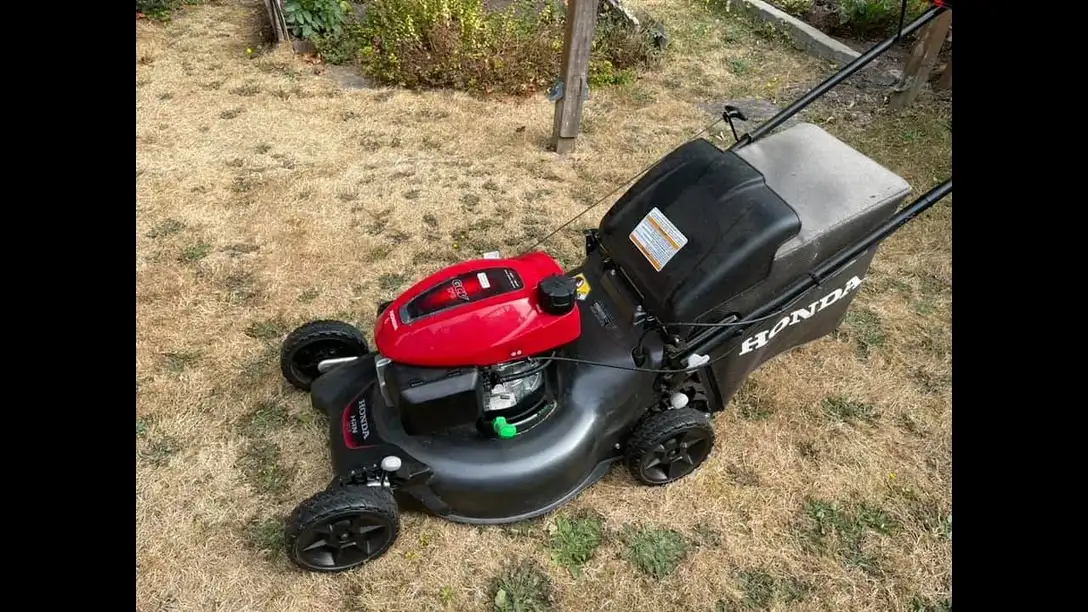
Honda Lawn Mower Surging: the Main Causes and Fix
Honda lawn mower surging is usually fixed by restoring steady fuel flow, clean airflow, and correct governor movement. A warm Honda engine that repeatedly speeds up and slows down often has a lean fuel mixture, which means too much air or too little gasoline reaches the cylinder.
Start with these checks in order:
- Turn off the engine and inspect the air filter. A clogged foam or paper filter can upset airflow, while a damaged filter may let dirt reach the carburetor. Replace a paper filter that looks gray, oily, wet, or packed with grass dust.
- Check the fuel. Gasoline that has sat for weeks or months can lose quality and leave sticky residue in the carburetor. Drain questionable fuel into an approved container and add fresh fuel that matches the engine manual.
- Inspect the fuel line and tank outlet. Look for cracks, soft spots, kinks, rust flakes, or a blocked screen. A restriction can starve the carburetor as engine demand changes.
- Check the throttle cable and control bracket. The cable should move the throttle smoothly from one stop to the other. A bent bracket or loose cable can hold the throttle plate in the wrong position.
- Inspect the governor linkage and spring. The linkage should move freely, and the spring should be attached at the correct holes. Never stretch or randomly relocate the spring to force a higher speed.
- Clean the carburetor if fuel and airflow checks don’t solve the problem. A partially blocked main jet often causes a hunting idle or surging under light load.
- Test the spark plug after the engine cools. A badly worn, wet, or carbon-coated plug can cause misfiring that sounds like RPM hunting.
A governor is the small mechanical system that adjusts throttle position as engine load changes. If grass gets thicker, the governor opens the throttle; when the load drops, the throttle closes slightly. A weak spring, sticky linkage, or incorrect adjustment can make the engine chase its speed instead of holding it.
| What you notice | Most likely area | First check |
|---|---|---|
| RPM rises and falls at idle | Lean fuel mixture or governor linkage | Carburetor passage and linkage movement |
| Engine surges only in thick grass | Fuel restriction or dirty main jet | Fuel flow and carburetor bowl |
| Engine runs better with the choke partly on | Too much air or too little fuel | Carburetor gasket, jet, and fuel passage |
| Engine starts, then quits | Blocked vent, stale fuel, or carburetor bowl issue | Fuel cap vent and fresh fuel |
| Engine hunts after air filter replacement | Linkage disturbed or wrong filter | Filter seating and throttle movement |
| Engine shakes and sounds uneven | Spark, blade, or internal engine issue | Spark plug, blade balance, and compression |
Are you tempted to adjust the governor spring because the engine sounds weak? Don’t start there. A governor adjustment can raise engine speed beyond the safe blade rating, and a mower that sounds stronger may be spinning dangerously fast.
The safest first move is to photograph the linkage before touching it. A phone picture gives you a reference if a spring slips off, especially on Honda engines with several nearby holes that look interchangeable but aren’t.
Pro Tip: A surging engine that improves when you partly close the choke is asking for more fuel. That clue points toward a restricted jet, a vacuum leak, or low fuel level in the carburetor, not a bad blade.
A mower that runs rough can have the same root problem as one that surges. If the engine also smokes, loses power, or pops through the muffler, the checks in Honda running rough checks can help separate fuel trouble from ignition and mechanical symptoms.
How to Check Fuel, Air, and Governor Parts
A careful inspection works best when the engine is cool, the spark plug wire is disconnected, and the blade can’t turn unexpectedly. Put the mower on a level surface, remove the ignition key if the model has one, and keep hands away from the blade area.
Before draining fuel or removing a carburetor, work outdoors away from flames, pilot lights, cigarettes, and hot equipment. Wear eye protection, catch gasoline in an approved container, and never run the engine in a garage or shed.
Begin with the air side because the filter is easy to reach and costs little to inspect. A foam filter may need washing and light oiling if the manual calls for that treatment, while a paper filter should be replaced rather than washed.
Next, test fuel flow without making a mess. With the fuel valve closed, if fitted, remove the line at the carburetor and place the end in a proper container; open the valve briefly and watch for a steady stream. Weak dribbling points toward a blocked outlet, pinched line, clogged filter, or tank vent problem.
A blocked fuel cap vent can create a strange pattern. The mower may run normally for several minutes, then begin surging as a vacuum forms in the tank. Loosen the cap only after the engine stops and cools, then inspect the vent without poking debris deeper into it.
I once replaced a perfectly good carburetor on a mower that kept dying at the edge of a large lawn. The real fault was a fuel line pinched beneath the tank, and the replacement changed nothing except the size of my repair bill.
For the governor check, disconnect the spark plug wire first, then move the linkage by hand with the engine off. The arm should return smoothly without scraping the shroud, and the spring should not be rusty, stretched, or missing coils.
Do not bend the governor arm unless the service procedure calls for it. The arm position and spring tension control maximum engine speed, so a casual tweak can damage the engine or create a blade-speed hazard.
The spark plug gives useful clues after the fuel and air checks. A light tan or gray plug tip can be normal, while a wet plug points toward flooding and a dry, chalky appearance can support a lean-mixture diagnosis. Plug color alone isn’t proof, so use it with the engine’s behavior.
Could a bad blade cause surging? A bent or badly unbalanced blade usually creates vibration rather than rhythmic RPM changes, but heavy grass wrapped around the blade can load the engine and make the governor react. Disconnect the plug wire before removing grass, even if the mower appears switched off.
Important Tip: Never test a mower with the blade removed unless the engine maker’s service procedure specifically permits it. The blade and mounting hardware can affect balance, cooling airflow, and engine load.
If the mower repeatedly starts and quits instead of hunting, the fault may be more focused on the fuel cap, bowl, idle passage, or ignition system. The guide to Honda mower starts then dies covers that pattern without confusing it with normal governor response.
Carburetor Cleaning, Parts, and Repair Choices
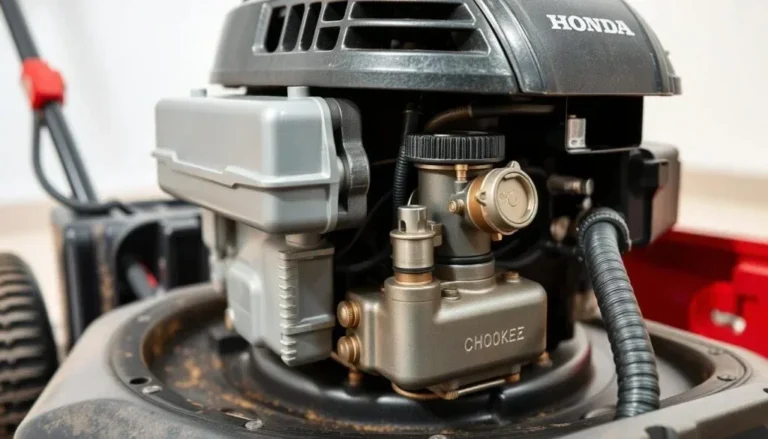
A dirty carburetor is a common cause of surging because a narrow jet passage meters a very small amount of fuel. A thin film of varnish or one grain of debris can make the mixture too lean at idle, where the engine has little extra fuel to cover the restriction.
Before opening the carburetor, shut off the fuel, disconnect the spark plug wire, and let the muffler cool completely. Take photos of every linkage, gasket, spring, and fuel-line position, then place small parts in a tray instead of on the driveway.
A basic cleaning sequence looks like this:
- Remove the air-filter housing and any parts blocking access.
- Close the fuel valve or clamp the fuel line with a tool made for that job.
- Remove the carburetor bowl and catch leftover gasoline.
- Take out the main jet and emulsion tube only if the design allows removal.
- Spray approved carburetor cleaner through the passages.
- Use compressed air carefully, while wearing eye protection.
- Replace damaged gaskets, O-rings, or bowl seals.
- Reassemble the parts in their original positions.
- Reconnect the fuel line and check for leaks before starting.
Don’t push steel wire through a jet. The opening is calibrated, and enlarging it can permanently change the fuel mixture. A soft nylon bristle or the correct jet-cleaning tool is a safer choice.
The Honda carburetor cleaning procedure is useful when varnish, sediment, or a stuck float is the likely cause. Cleaning can restore a mower that surges at idle, but cleaning won’t repair a cracked carburetor body, worn throttle shaft, damaged gasket surface, or faulty fuel shutoff.
A vacuum leak is another possible cause. On a mower, the leak may occur at the carburetor gasket, intake insulator, or mounting surface, allowing extra air to enter after the carburetor has measured the fuel. The engine then runs lean and hunts while the governor keeps trying to correct the speed.
Avoid spraying flammable liquids around a running engine to hunt for a leak. That practice can start a fire, and it doesn’t belong in a home driveway repair.
Fresh fuel matters after a cleaning. Old gasoline can recontaminate clean passages, leaving you with the frustrating feeling that the repair failed. Drain the tank if the fuel smells sour, looks dark, or contains visible debris.
A tune-up can make sense if the mower also has a worn plug, dirty filter, cracked fuel line, or overdue oil change. Pick a kit by the exact engine model stamped on the engine, not by the mower deck name alone, since Honda-powered mowers may use different filters, plugs, and gaskets. The [[best Honda tune-up kits]] can help you match routine parts to the engine before ordering.
When A Replacement Makes More Sense
Some repairs aren’t worth forcing. A carburetor with a seized adjustment screw, badly corroded bowl, stripped threads, or a damaged mounting face may cost more time to rescue than a correct replacement.
A replacement carburetor still needs to match the engine model and linkage layout. Cheap look-alike parts may have the wrong jet size, choke setup, gasket thickness, or fuel inlet angle, leaving you with the same surge in a different costume.
Honda engine model numbers often appear near the recoil housing or on the engine body. Record the full model and type information, then match the part diagram or manual before ordering anything.
A mower that surges after a correct carburetor cleaning may have a governor issue, intake leak, valve problem, or ignition fault. Compression testing and governor-speed testing are better jobs for a small-engine technician if you don’t have the proper tools.
Pro Tip: Mark each hose and linkage with masking tape before removal. A two-minute label can prevent an hour of guessing after the bowl is back on.
Final Checks, Safety, and Long-Term Prevention
A fixed mower should start without excessive choke, hold a steady speed at idle, and respond to grass load without racing or nearly stalling. Let the engine warm for a few minutes, then mow a small patch of normal grass while listening for smooth changes rather than a perfectly unchanging note.
Stop the test immediately if the engine races, the blade vibrates, fuel leaks, smoke increases, or the mower produces sharp metallic sounds. A qualified repair shop should handle internal engine damage, unsafe governor behavior, repeated backfiring, or any problem that remains after basic fuel and air checks.
Keep a simple maintenance rhythm:
- Use fresh fuel and avoid storing the mower with a nearly full carburetor for long periods.
- Clean grass from the cooling shroud after mowing.
- Replace a damaged air filter before dust reaches the engine.
- Inspect fuel lines at the start of the mowing season.
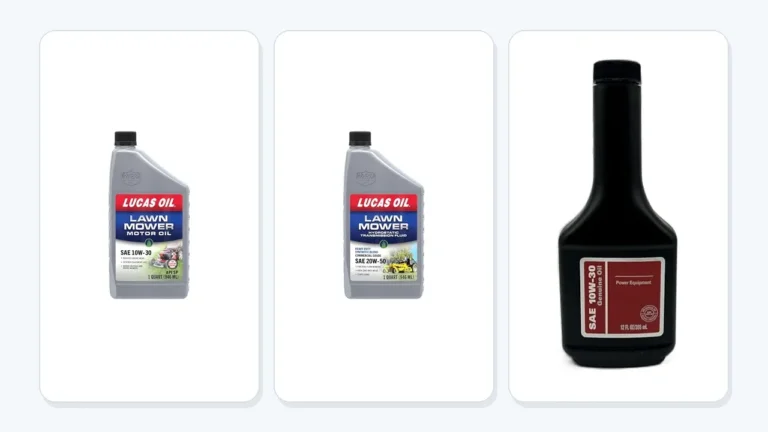
- Change engine oil according to the engine manual and mowing conditions.
- Store the mower under cover, away from rain and extreme heat.
- Run the mower briefly after service while checking for fuel leaks.
Don’t pour carburetor cleaner into the fuel tank and expect a blocked jet to magically open. A cleaner may help with minor deposits in some fuel systems, but a solid obstruction usually needs direct cleaning.
A steady engine isn’t the same as a perfectly silent engine. Small speed changes under changing grass load are normal, while repeated cycling in light grass, surging at idle, or hunting with the blade disengaged points to a fault.
- Start with fresh fuel, the air filter, fuel flow, and governor linkage.
- A choke improvement usually points toward a lean fuel condition.
- Never alter governor spring position by guesswork.
- Disconnect the spark plug wire before working near the blade or carburetor.
FAQs About Honda Lawn Mower Surging
Why is my Honda lawn mower surging at idle?
Honda lawn mower surging at idle usually comes from a restricted carburetor passage, lean fuel mixture, air leak, or sticky governor linkage. A clean air filter and fresh fuel are the first checks. If partly closing the choke smooths the engine, the carburetor likely isn’t delivering enough fuel.
Can bad gas make a Honda mower surge?
Yes, stale or contaminated gasoline can make a Honda mower surge by leaving varnish in the main jet or restricting fuel flow. Drain fuel that smells sour or looks dark, clean the carburetor if needed, and refill with fresh fuel. A dirty tank outlet can cause the same symptom.
Should I adjust the governor on a Honda lawn mower?
No, don’t adjust the governor by guesswork. The governor controls engine speed, and an incorrect spring position or bent arm can cause overspeed, blade danger, engine damage, or poor cutting. Inspect for binding and correct attachment first, then use the model-specific service procedure.
Why does my Honda mower run better with the choke on?
A Honda mower that runs better with the choke partly on usually has a lean mixture. The carburetor may have a blocked jet, restricted fuel passage, low bowl fuel level, or intake air leak. Choke use can mask the fault temporarily, but leaving the choke on can create carbon buildup and poor fuel economy.
When should I replace the Honda mower carburetor?
Replace the Honda mower carburetor when cleaning can’t clear the passages, the body or mounting surface is damaged, the throttle shaft leaks badly, or the float and needle can’t maintain fuel level. Match the replacement to the complete engine model and type, not only the mower brand.
Get the Engine Steady Before Buying Parts
Honda lawn mower surging is usually a small fuel, air, or linkage problem, not a reason to replace the whole mower. Start with the easy checks, protect yourself before handling gasoline or the blade, and change one thing at a time so the real cause doesn’t get buried.
My practical choice is to inspect fuel quality, air filter condition, fuel flow, and governor movement before buying a carburetor. If the engine still hunts after a careful cleaning and correct reassembly, stop guessing and have a small-engine technician test the governor, intake, ignition, and compression.