How to Start a Flooded Honda Lawn Mower
A flooded Honda lawn mower usually starts after excess fuel clears from the engine, the spark plug dries, and the controls are set correctly. Start outdoors, stop adding fuel, wait for the engine to cool, then use a controlled restart instead of pulling the cord over and over.
Have you pumped the primer bulb until your thumb hurts, only to get one sad cough from the mower? Is the spark plug wet, the crankcase smelling like gasoline, or the engine spinning without even trying to catch?
I once rushed through a restart after accidentally flooding a Honda mower, then kept yanking the cord until my shoulder complained. The plug was soaked and the mower still sat there like a stubborn orange cooler, so I had to stop, dry the plug, and begin again. That mistake is common, not dumb.
I wrote this guide for homeowners who want a clear answer without digging through a thick manual or guessing at every lever. You’ll get a safe restart process, signs of a deeper fuel problem, and practical checks for Honda push mowers with different control layouts.
A proper restart can save a good spark plug, protect the engine oil, and spare your starter arm. Skip the fuel and safety checks, and you can end up with a mower that still won’t start, gasoline-thinned oil, or a puddle near the carburetor.
This takes about 9 minutes to read, and the useful part starts right here:
- Clear a flooded Honda engine without adding more fuel.
- Dry or replace a gasoline-soaked spark plug.
- Tell flooding apart from a bad fuel supply or weak ignition.
- Know when gasoline in the oil or a carburetor leak needs attention.
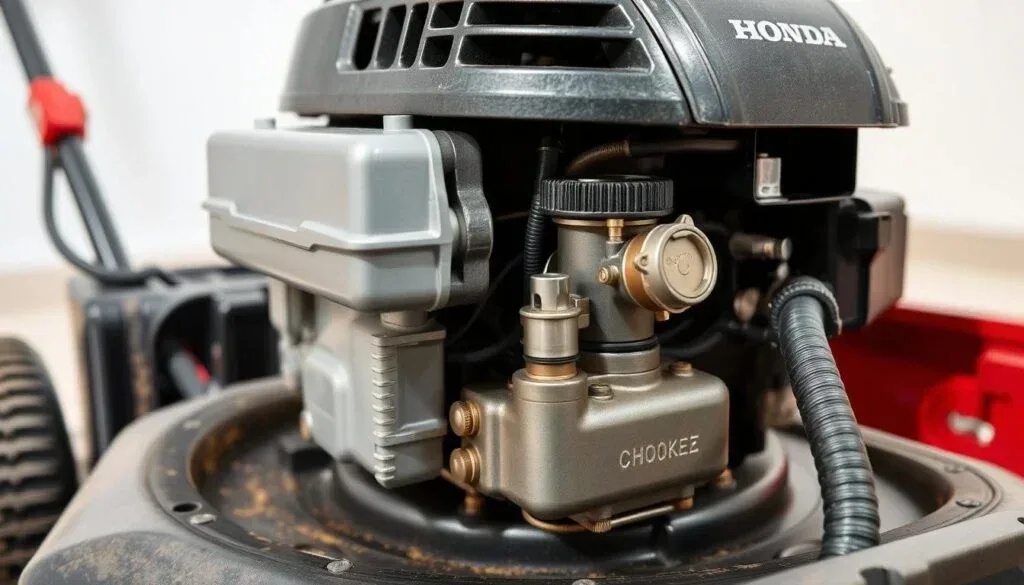
How to Start A Flooded Honda Lawn Mower
To start a flooded Honda lawn mower, stop fueling, move the mower outdoors, wait several minutes, then restart with the throttle at FAST if your model has a throttle control. If the engine still refuses to fire, remove and dry the spark plug, check the oil for gasoline, and try again with a fresh plug when needed.
A flooded engine has too much gasoline and not enough air in the combustion chamber. The extra fuel wets the spark plug, so the plug can’t create a strong spark across the gap even though the ignition system may be working fine.
Before touching the spark plug or turning the engine, move the mower to open air away from a garage, cigarettes, water heaters, and other ignition sources. Shut off the engine, release the blade-control bar, disconnect the spark plug wire, and let the muffler and engine cool.
- Stop pressing the primer bulb. Repeated priming adds more gasoline to an already rich mixture.
- Check the fuel valve. Turn the fuel shutoff to OFF if the Honda mower has one.
- Wait 10 to 15 minutes. This gives some excess fuel time to evaporate from the cylinder.
- Set the throttle to FAST or CHOKE OFF, depending on the control layout. A warm, flooded engine usually needs more air, not more choke.
- Hold the blade-control bar against the handle. The engine won’t run on many Honda walk-behind mowers unless the safety bar is held correctly.
- Pull the recoil starter several times with steady strokes. Try five or six pulls, then pause instead of making the rope a tug-of-war.
- Stop if raw gasoline sprays, pools, or drips. Fuel leakage needs a separate repair before another start attempt.
Some Honda mowers use an automatic choke, while others have a manual choke, primer bulb, or combination control. A cold engine may need the choke during normal starting, but a flooded warm engine generally needs the choke released so more air can enter.
A mower that coughs once and then quits may still have a wet plug or too much fuel in the intake. Wait another 10 minutes before moving to the spark plug check, because patience is cheaper than a damaged starter rope.
Drying The Spark Plug Safely
If the engine still won’t start, remove the spark plug cap and unscrew the plug with the correct spark-plug socket. Keep the plug wire away from the plug terminal while the plug is removed.
Look at the firing end. A wet, shiny electrode with a strong gasoline smell supports a flooded-engine diagnosis, while a dry plug points toward a fuel-delivery problem, ignition problem, or mechanical issue.
Wipe the plug with a clean rag and let it air-dry fully. Don’t hold the plug near a flame, blast gasoline with compressed air toward your face, or scrape the electrode aggressively.
Check the spark-plug gap, which is the small distance between the center and ground electrodes. The correct gap varies by Honda engine family, so use the engine manual or the number printed on the mower’s parts information instead of guessing with a coin or pocketknife.
Reinstall the plug by hand first so the aluminum cylinder head doesn’t get cross-threaded. Tighten it snugly, reconnect the cap firmly, and try one controlled restart.
If the plug is heavily carbon-coated, cracked, rounded at the electrode, or repeatedly wet after a short start attempt, replacement makes more sense than endless cleaning. I’d rather spend a few dollars on the correct plug than burn half an afternoon pulling a cord and blaming the carburetor.
The wider starting process is covered in this Honda push mower starting guide, including normal recoil and electric-start steps for gas models.
What If The Engine Oil Smells Like Gasoline?
Gasoline in the crankcase oil is a stop sign. A strong fuel smell on the dipstick, an oil level that has mysteriously risen, or thin oil running quickly from the drain point can mean fuel has passed the piston rings into the crankcase.
Don’t keep running the engine with diluted oil. Gasoline reduces the oil’s ability to protect bearings, the piston, and other moving parts.
Drain the contaminated oil according to the engine manual, replace it with the correct oil grade and amount, and fix the cause of the overfueling before mowing again. Many Honda walk-behind engines use small oil capacities, so checking the dipstick carefully matters more than pouring until the bottle feels empty.
Important Tip: Gasoline fumes can travel farther than you expect. Perform draining and spark-plug work outdoors, keep the mower level, and store drained fuel in an approved container.
Why A Honda Mower Floods and What to Check
A Honda mower floods when more gasoline enters the engine than the available air and spark can burn. Common triggers include repeated priming, using the choke too long, a stuck carburetor float, a leaking fuel valve, or a spark plug that can’t ignite the mixture.
Repeated attempts are the easiest cause to fix. Every primer-bulb press sends fuel toward the carburetor, and a cold-start routine repeated on a warm engine can quickly make the mixture too rich.
A dirty air filter can also restrict airflow, which makes an already rich mixture harder to burn. Remove the filter and inspect it without running the mower with the filter permanently removed, since dirt can enter the engine and the right filter type depends on the model.
The carburetor float is a small fuel-level control inside the carburetor bowl. When the float or needle valve sticks open, gasoline can keep entering after the bowl should have reached its proper level.
Could a mower that looks flooded actually be starved for fuel? Yes, and that confusion wastes plenty of time. A dry spark plug, an empty carburetor bowl, or no fuel reaching the carburetor suggests a supply problem instead of excess fuel.
Use this quick chart to sort the symptoms before buying parts:
| What you notice | More likely cause | First useful check |
|---|---|---|
| Wet spark plug and strong fuel smell | Flooded cylinder | Dry or replace the plug, then retry |
| Dry spark plug after many pulls | Fuel not reaching the cylinder | Check fuel level, valve, filter, and fuel line |
| Fuel dripping from the air-filter side | Float or needle valve problem | Stop using the mower and inspect the carburetor |
| Engine starts briefly, then dies | Restricted fuel flow, dirty carburetor, or choke issue | Check fuel flow and control position |
| Fuel smell in the crankcase oil | Fuel bypassing the carburetor control | Change oil and repair overfueling before use |
| Strong spark but no start after dry plug | Compression, valve, timing, or fuel-metering fault | Get model-specific diagnosis |
A Honda mower with a bad fuel supply often needs a different fix than a flooded Honda mower. The fuel line, tank outlet, fuel filter, and carburetor inlet should be checked in that order, and the fuel system guide for Honda mower fuel problems can help separate those faults.
When The Carburetor May Be Leaking
Gasoline leaking from the carburetor is more serious than a single flooded start. Fuel may drip from the bowl gasket, overflow through the air-cleaner side, or run past a stuck needle valve.
Turn the fuel valve OFF if equipped, remove the spark plug wire, and don’t start the mower until the leak stops. Wipe the area, wait for fumes to clear, and check for fresh fuel returning after the mower sits.
A mower that leaks only when the tank is full may have a float or needle-valve problem. A mower that leaks around the bowl may need a new gasket or a correctly tightened bowl screw, though carburetor parts differ by engine model.
The symptoms and repair choices in Honda carburetor leak repairs are useful if fuel keeps appearing under the air filter or around the carburetor bowl. I wouldn’t keep pulling the starter on a leaking mower, because a simple flooded engine can turn into a fire risk and an oil-contamination problem.
A Short Story From My Own Shop Work
I once had a Honda mower brought in after its owner reported that the engine was “dead,” even though the rope pulled normally. The plug was wet, the oil smelled like fresh gasoline, and the real fix started with draining the oil rather than trying one more heroic pull.
That stuck with me because the mower didn’t look badly damaged at all. A quiet fuel check can reveal more than another ten minutes of wrestling with the starter.
Pro Tip: Mark the fuel-shutoff position with a small paint dot if the lever is hard to read. A clear OFF position prevents fuel from continuing to feed a mower that’s parked or being serviced.
Tools, Controls, and A Better Restart Routine
The basic tools are a spark-plug socket, clean rag, gloves, a small drain pan, fresh engine oil, and the correct replacement spark plug. A flashlight helps spot wet fuel around the carburetor, while the mower’s model and engine numbers help you select parts without playing lawn-equipment roulette.
Keep these items nearby:
- Spark-plug socket and ratchet
- Clean, lint-free rag
- Nitrile gloves and eye protection
- Approved fuel container
- Small drain pan
- Correct engine oil
- Replacement spark plug
- Screwdriver or nut driver for the air-filter cover
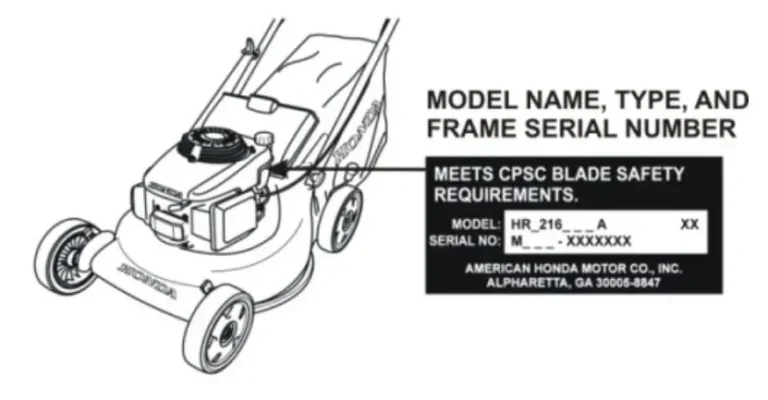
The engine model number usually appears on a label or stamped area near the engine housing. The mower deck brand alone may not identify the correct plug, air filter, oil capacity, or carburetor parts.
Honda push mowers can have recoil starters, electric starters, manual chokes, auto chokes, or a primer bulb. The starting sequence depends on that control setup, so don’t force a lever past its stop or assume every red control works the same way.
For a normal cold start after the flooding problem is fixed, place the mower on level ground, add fresh fuel, check the oil, set the control for a cold start, hold the blade-control bar, and pull the recoil steadily. An electric-start mower may need a charged battery and the same safety-bar position.
For a warm restart, the mower often needs less choke than a cold engine. If the engine has just stopped after mowing, wait briefly, keep the control at the warm-start position recommended for that model, and avoid repeated primer presses.
When the mower won’t start after the proper sequence, use a clean diagnostic order:
- Confirm fresh fuel is in the tank.
- Check the oil level and smell.
- Inspect the air filter.
- Remove and inspect the spark plug.
- Test for a strong spark only with a safe approved method or professional help.
- Check fuel flow and carburetor leakage.
- Stop and arrange repair if compression or valve timing may be involved.
The broader troubleshooting path in Honda mower no-start diagnosis helps when the wet-plug theory no longer fits. A mower that cranks normally but never fires can have a fuel, ignition, compression, or safety-interlock fault, and changing random parts gets expensive fast.
How Long Should You Wait After Flooding?
Wait about 10 to 15 minutes before the first restart attempt, then inspect the spark plug if the engine still won’t fire. A heavily flooded engine may need a dry plug and fresh oil before another start.
Warm weather, a full tank, a leaking carburetor, and repeated primer use can lengthen the recovery time. Cold weather can slow evaporation, so a longer wait may help, but a persistent fuel smell points to a fault rather than ordinary flooding.
Don’t park the mower inside a closed garage while gasoline evaporates. Keep the mower outdoors in a shaded, ventilated place, away from children, pets, flames, and anything that can create a spark.
When To Stop DIY Troubleshooting
Stop working and get qualified repair help if gasoline continues to flow, the oil level rises again, the fuel tank or line is cracked, the mower backfires repeatedly, or the engine has no useful compression. A damaged flywheel key, valve problem, or internal engine fault needs more than a dry spark plug.
A mower that has been tipped on the wrong side can also send oil into the air filter or muffler, creating smoke and hard starting. Let the engine cool, return the mower to its normal position, inspect the filter and oil, and avoid repeated starts until the fluid path is clear.
I’d skip starting fluid on a Honda mower. It can mask the real fuel problem, may damage some small-engine components, and adds another flammable vapor around a machine that already has too much fuel.
- Stop priming and move the mower outdoors before troubleshooting.
- A wet spark plug supports flooding, while a dry plug points toward fuel delivery or ignition.
- Gasoline-smelling oil needs an oil change before the engine runs again.
- Continued fuel leakage means repair first, restart later.
FAQs About How to Start a Flooded Honda Lawn Mower
How long should I wait before starting a flooded Honda mower?
Wait 10 to 15 minutes after stopping the primer and moving the mower outdoors. If the spark plug remains wet or the engine still won’t fire, remove the plug, let it dry fully, and check the oil for gasoline before another attempt.
Should the choke be on or off on a flooded Honda mower?
The choke should normally be off or in the warm-start position on a flooded Honda mower because the engine already has too much fuel. The exact control position varies by model, so use the engine instructions if the mower has an automatic choke system.
Can a flooded Honda lawn mower damage the engine?
A single flooded start usually doesn’t damage a Honda lawn mower, but repeated flooding can contaminate the engine oil with gasoline. Diluted oil can reduce protection for internal parts, so change the oil before running the mower if the dipstick smells strongly of fuel.
Why does my Honda mower flood after sitting?
A Honda mower may flood after sitting because the carburetor needle valve or float fails to stop fuel flow. A leaking fuel valve, worn bowl gasket, or debris inside the carburetor can cause the same symptom, especially when gasoline appears near the air filter.
Should I replace the spark plug after flooding?
Replace the spark plug if the electrode is damaged, heavily carbon-coated, or repeatedly becomes wet after drying. A lightly fuel-soaked plug may work again after air-drying, but the replacement must match the Honda engine’s specified plug type and gap.
Why does my Honda mower start and then stop?
A Honda mower that starts and stops may have restricted fuel flow, a dirty carburetor, a blocked air filter, or a choke that stays partly closed. If the plug is wet again after a short run, check for overfueling instead of treating the symptom as a simple stall.
Get Your Honda Mower Running Without Guesswork
A flooded Honda mower usually needs less drama and more air, a dry spark plug, and a quick oil check. Start with the safe basics, then move through fuel delivery and ignition in a sensible order instead of replacing parts at random.
My practical choice is to wait, inspect the plug, and check the oil before making another starting attempt. That approach protects the engine, lowers the fire risk, and often gets a stubborn mower working with tools already in the shed.
The clearest next step is simple: move the mower outdoors, stop adding fuel, disconnect the spark plug wire, and begin with the condition of the plug and oil. If gasoline keeps leaking or the oil smells strongly of fuel, stop there and arrange a proper repair.