Honda Lawn Mower Models: Current Ranges, Legacy Models and Key Features
Honda lawn mower models fall into two useful groups: older gas walk-behind machines that are still common in garages, and newer or recently sold models built around reliable Honda engines, bagging systems, and simple controls. The best choice depends on your lawn size, slope, storage space, and access to parts.
Are you trying to match an old red-and-black mower to the right blade or air filter? Or are you comparing a self-propelled Honda with another brand and wondering if the extra money buys a cleaner cut or just a familiar name?
I once bought a replacement blade by matching the mower’s deck size alone, then found out the mounting hole pattern was wrong. The package sat on my workbench while grass grew tall, and that mistake was annoying but common, not dumb.
I wrote this guide for homeowners who want a plain answer before spending money, especially if a dealer listing feels vague or an older mower has no obvious model sticker. The goal is to sort the ranges, explain the features that matter, and help you avoid buying a part or machine that doesn’t fit your yard.
Get the decision right, and you can cut faster, pick the right drive system, and keep parts shopping from turning into detective work. Get it wrong, and you may end up pushing a heavy mower uphill, storing a machine you dislike, or ordering the wrong blade twice.
This article takes about 14 minutes to read, and it will help you:
- Match a Honda mower type to your lawn size and terrain.
- Separate current retail options from older legacy models.
- Read model, serial, engine, and deck information correctly.
- Choose between push, self-propelled, bagging, mulching, and electric alternatives.
- Spot maintenance and buying mistakes before they cost you money.
Honda Lawn Mower Models: What the Ranges Offer
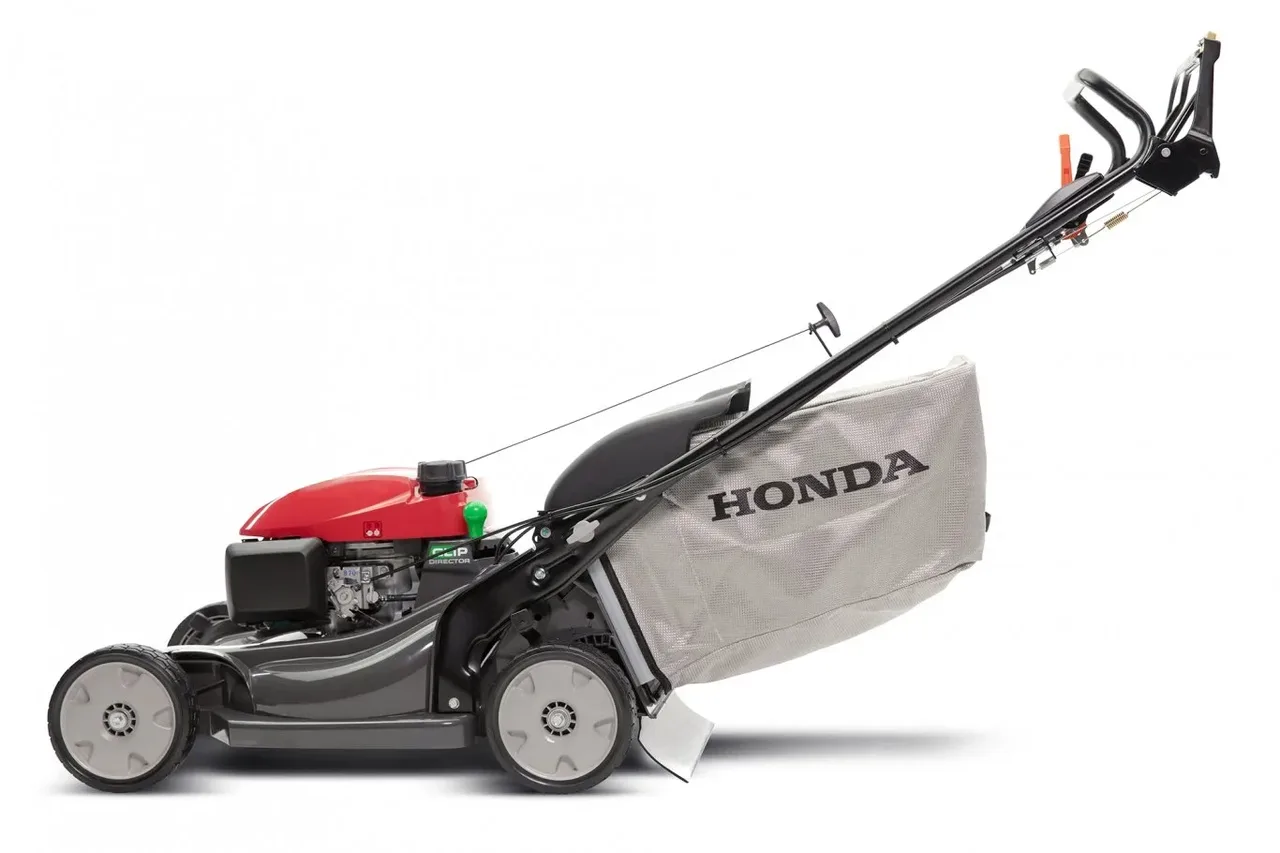
Honda lawn mower models are mainly known for durable gas walk-behind mowers, with push and self-propelled versions built around 21-inch decks and rear-wheel drive on many premium configurations. A good match is usually a push mower for a small, flat yard, a self-propelled mower for slopes or larger lawns, and a used legacy Honda when condition and parts support are strong.
Honda’s walk-behind lineup has changed by market and sales period, so a model name alone doesn’t tell the whole story. The same family may have several versions with different transmissions, blade systems, handle designs, discharge options, or engine equipment.
The key categories are:
- Push mower: You provide all forward motion, which keeps the design lighter and less expensive.
- Self-propelled mower: A drive system turns the wheels while you guide the machine.
- Rear-wheel-drive mower: Power reaches the back wheels, which can help with traction on slopes and while the bag fills.
- Variable-speed drive: A control lets you match ground speed to your walking pace.
- Mulching mower: The blade cuts grass into smaller pieces that fall back into the lawn.
- Bagging mower: Clippings travel into a removable grass bag.
- Electric mower: A battery-powered machine replaces the gasoline engine, fuel, and oil.
A 21-inch cutting deck is a common size for residential walk-behind mowers because it balances cutting width, turning ability, and storage needs. A wider deck may reduce passes across an open lawn, while a narrower or lighter deck can feel better around trees, garden beds, and tight gates.
Honda models have often used four-stroke engines, which burn regular unleaded gasoline and hold engine oil in a separate crankcase. That differs from a two-stroke design, where oil is mixed with fuel, a setup rarely used for modern residential walk-behind lawn mowers.
The most useful buying question is not “Which Honda has the biggest engine?” It’s “Which mower will finish your lawn without making your arms, back, or patience miserable?” A large engine won’t fix a dull blade, clogged deck, poor traction, or a drive system that doesn’t match your walking speed.
| Mower type | Best fit | Main benefit | Tradeoff |
|---|---|---|---|
| Push mower | Small, flat lawns | Lower weight and fewer drive parts | You must supply all forward motion |
| Self-propelled mower | Medium lawns, slopes, thick grass | Easier walking and better hill control | More weight, parts, and service needs |
| Rear-wheel-drive model | Slopes and frequent bagging | Stronger traction near the rear | Can feel less nimble in tight areas |
| Mulching setup | Lawns cut on a regular schedule | No bag emptying and useful clippings | Needs correct mowing height and dry conditions |
| Bagging setup | Leaves, tall growth, tidy lawns | Cleaner surface after mowing | Adds emptying time and storage space |
| Battery mower | Smaller lawns near a charging area | Quiet operation and no gasoline storage | Runtime depends on battery size and grass load |
A mower with a blade-brake clutch, sometimes called a BBC, can stop the blade while the engine keeps running. That feature can save time when you need to empty the bag or move across a paved path, though the clutch adds another part that may need attention.
Honda’s MicroCut Twin Blades are another feature found on some models and legacy machines. Two stacked blades can create smaller clippings and a finer mulch, but blade condition matters more than the marketing name. A worn lower blade still gives a poor result.
The practical verdict is straightforward: a clean, well-maintained Honda with the right deck and drive system can be an excellent mower, but an abused example with a cracked deck or slipping transmission is not a bargain just because the badge looks familiar.
Current and Legacy Honda Mower Models
Current Honda mower availability depends heavily on location and sales timing, while older models remain common in the used market. Legacy machines can still work beautifully, but the buyer needs to check deck condition, engine health, drive parts, and replacement-part access before paying.
A newer listing may show a model family, while an older machine may be identified by a short code on the deck, engine housing, or rear frame. The label can be faded, covered by grass dust, or hidden near the handle mount.
If you need help reading those markings, this guide to identifying a Honda mower covers the model code, serial number, and age clues that usually matter when ordering parts. The serial number is often more useful than a color or engine size because small production changes can affect belts, cables, blades, and bags.
Honda legacy walk-behind models often appear in several broad families:
- Standard push mowers with simple wheel controls.
- Self-propelled models with a cable-operated drive lever.
- Premium self-propelled machines with variable speed or blade-brake functions.
- Heavy-duty decks designed for frequent bagging and mulching.
- Older machines with side discharge or rear discharge arrangements.
- Commercial-style walk-behind models built for repeated use.
The HRR, HRX, and HRS names are commonly associated with older Honda mower families, but the letters alone don’t identify every part. Different model suffixes can change the drive system, deck material, handle controls, discharge design, and engine details.
The HRX family is often recognized for a composite deck, adjustable mulching control on certain versions, and more upscale self-propelled features. A composite deck resists ordinary rust, but it can still crack from impact, UV exposure, or careless storage.
The HRR family is commonly found as a simpler residential mower with a stamped steel deck. Steel decks can rust around the underside, discharge opening, and wheel mounts, especially when grass clippings stay wet against the metal.
The HRS family used a different rear-discharge layout on some versions. That design can be useful in narrow spaces, but replacement bags and discharge parts may be less convenient to locate than parts for more common families.
A used Honda deserves a hands-on inspection rather than a quick driveway start. Look at:
- The deck underside for rust-through, cracks, welded repairs, and bent edges.
- The wheels for wobble, seized bearings, missing tread, and loose height adjusters.
- The handle for bends, broken welds, missing fasteners, and damaged control cables.
- The engine for oil leaks, smoke, hard starting, and unusual knocking sounds.
- The drive system for smooth engagement, wheel pull, and speed control.
- The blade area for bent blades, damaged adapters, and loose hardware.
- The grass bag for torn fabric, broken supports, and a blocked air path.
Important Tip: Never inspect the blade or underside with the spark plug wire connected. Remove the spark plug boot, keep the boot away from the plug, and wait until every moving part has stopped before tipping a gas mower.
I once looked at a used mower that started on the second pull and sounded fine, but I almost missed the cracked rear deck corner hidden under a layer of dried clippings. The seller had patched it from the outside, and the crack opened when the bag filled, which taught me to inspect the dirty parts first.
An older mower can be worth keeping when the engine starts easily, the deck is sound, the drive pulls evenly, and common service parts remain available. I’d pass on a machine with a cracked deck, a locked transmission, or a missing bag unless the price is low enough to treat the mower as a parts donor.
Production status creates confusion because a model may disappear from a local dealer while used inventory, replacement parts, and older owner support remain active. This explanation of Honda mower production status separates discontinued gas models from the question of whether Honda still makes lawn equipment in every market.
How To Read A Honda Model Number
The model number identifies a mower family and version, but the serial number narrows the machine to a particular production range. Both numbers should be recorded before you order a blade, bag, belt, cable, or engine part.
Write the information in your phone, take a clear photo, and include the full suffix. A partial number such as “HRX” may point to a family, but “HRX217K6” or a similar complete code can identify a much more specific setup.
Check these locations:
- The rear of the mower deck.
- The side of the engine shroud.
- The handle support or frame.
- Near the discharge opening.
- Under a flap or behind a removable cover.
- On the original owner paperwork, if it survived the garage cleanout.
A model number can change across production runs even when the mower looks nearly identical. The correct part may depend on the blade adapter, wheel type, cable length, transmission version, or bag frame.
When a label is unreadable, use several clues together. Deck width, wheel style, control layout, blade arrangement, engine shroud shape, and discharge opening can narrow the match, but a parts diagram or dealer confirmation is safer than guessing from photographs.
Honda Mower Features That Matter in A Real Yard
The most useful Honda mower features are the ones that reduce effort or improve the cut: reliable starting, adjustable cutting height, steady wheel traction, easy bag removal, strong mulching, and controls that fit your walking pace. Fancy features matter less if the deck is clogged or the blade is dull.
Push Or Self-Propelled?
A push mower suits a small, level lawn where you can comfortably walk behind the machine for the entire cut. A self-propelled mower earns its extra weight when the yard has slopes, thick spring growth, long straight runs, or a surface that makes pushing tiring.
A self-propelled mower doesn’t pull itself like a tractor. You still guide the direction, set the cutting height, control the pace, and release the drive when you reach a tree or sidewalk.
The main controls usually include:
- A blade control lever that starts or keeps the blade turning.
- A drive lever that engages the wheels.
- A speed control on variable-speed versions.
- A throttle or engine-speed control on some older models.
- A height adjustment lever or levers at the wheels.
- A bag, mulch, or discharge setting.
If the mower surges, creeps too quickly, or stops pulling under load, the problem may involve a stretched cable, worn drive belt, contaminated drive pulley, worn transmission, or a control adjustment. Don’t assume the engine is at fault just because the mower slows down.
How do you use a self-propelled Honda without fighting the machine? Start the blade on level ground, hold the drive control only after the engine reaches a steady speed, and release the drive before sharp turns, backing, or crossing hard surfaces.
The control sequence matters because engaging drive at the wrong time can make the mower lurch. This guide to using a Honda self-propelled mower explains the basic controls, speed adjustment, slope habits, and stopping routine in plain language.
I prefer rear-wheel drive for yards with slopes and frequent bagging because the added weight at the back can help the wheels stay planted. Front-wheel drive can feel easier around obstacles, but the traction changes when you lift the front wheels to turn.
Mulching, Bagging, Or Side Discharge
Mulching works best when you mow often enough to remove only a modest amount of grass at a time. Tall, wet grass can clog the deck and leave clumps, even with a good blade system.
Bagging makes sense when the lawn is overgrown, leaves cover the surface, or you want a freshly cleaned look. The cost is time spent emptying the bag and keeping the bag opening free of packed clippings.
Side discharge is useful during heavy growth because the clippings have more room to leave the deck. The result can look rough until the clippings dry and settle, so many homeowners switch back to mulching after the lawn is under control.
Use the cutting height to protect the grass and reduce engine strain. Removing more than roughly one-third of the grass blade in one cut can leave a pale, stressed lawn and overload the mower in thick growth.
A sharp blade cuts with a clean slicing sound. A dull blade tears the tips, leaving a ragged look that turns tan sooner and can make the mower shake.
Deck Material And Cutting Width
A stamped steel deck is sturdy and familiar, but it needs cleaning and rust inspection. A composite deck doesn’t rust in the same way, although impact damage and cracks still deserve a close look.
A 21-inch deck covers a practical middle ground for many suburban lawns. A 19-inch mower may fit through narrow gates and weigh less, while a larger commercial-style deck can cut faster in open areas but may be awkward near beds and fences.
The shape underneath matters just as much as the width. A deck with poor airflow can leave clumps in damp grass, while a well-shaped deck can lift clippings into the bag with less repeated mowing.
Engine Starting And Fuel
A healthy four-stroke Honda engine should start without a long wrestling match when the fuel, oil level, spark plug, air filter, and controls are in good shape. Hard starting often comes from stale fuel, a restricted carburetor, a dirty air filter, a worn plug, or a safety-control problem.
Use fresh fuel from a clean container and follow the engine label or owner instructions for fuel type. Don’t store gasoline in the mower for long periods unless the manufacturer’s storage instructions allow it and the fuel remains suitable.
Check the oil before each mowing session when the machine is sitting level. Too little oil can damage the engine, while too much can cause smoke, rough running, or oil entering places where it shouldn’t.
Pro Tip: After mowing, let the engine cool before brushing loose clippings from the deck and cooling areas. A dry cleaning brush removes buildup without pushing wet grass deeper into the housing.
Honda engines can be quiet and smooth when maintained, but no engine survives neglect forever. I’d rather buy a plain mower with clean oil, a clear cooling path, and a sharp blade than a premium version that has spent years buried under wet clippings.
Comparing Honda Models with Electric and Other Options
Honda gas mowers remain appealing because refueling is quick, runtime is not limited by a battery charge, and many mechanics understand the engine layout. Battery mowers appeal to homeowners who want less noise, fewer fluids, and easy starting, especially on smaller lawns.
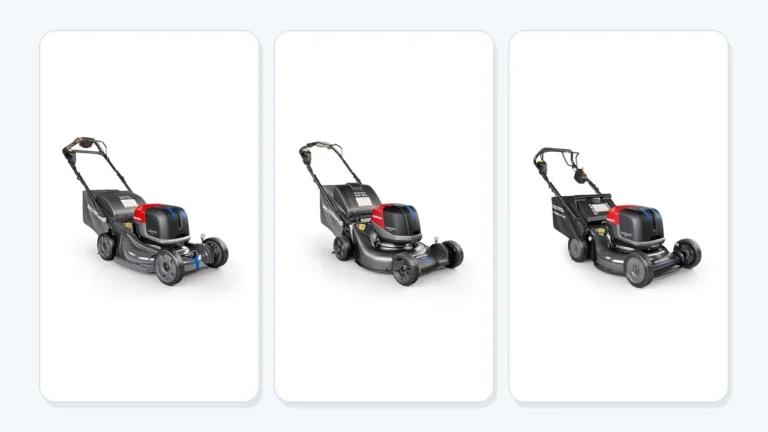
Honda’s lawn mower history is mostly tied to gas-powered walk-behind equipment in the United States. The question of whether Honda makes an electric lawn mower depends on market, product category, and sales period, so a battery mower sold under another brand should not be assumed to be a Honda product.
This guide about Honda electric mower options explains the difference between Honda-branded gas equipment, battery technology, and electric alternatives available to homeowners. A battery mower may be a better fit if you mow a compact yard near the house and don’t want fuel storage.
| Priority | Gas Honda mower | Battery electric mower |
|---|---|---|
| Starting | Pull or electric start, depending on model | Push-button or control sequence |
| Runtime | Refill fuel and continue | Limited by battery charge and temperature |
| Noise | Louder engine sound | Quieter motor sound |
| Maintenance | Oil, spark plug, air filter, fuel care | Blade, deck, battery care, electrical contacts |
| Storage | Fuel and oil require sensible storage | Battery needs a dry, moderate-temperature location |
| Thick grass | Strong performance when tuned correctly | Depends on battery capacity and motor design |
| Best fit | Larger lawns or long mowing sessions | Smaller lawns and noise-sensitive neighborhoods |
A gas mower can make sense for a half-acre property with heavy growth, but the answer depends on mowing frequency, terrain, and how much time you want to spend on maintenance. A battery mower may finish the same lawn if the battery system has enough capacity, yet buying extra batteries can change the cost picture.
I wouldn’t choose a mower by engine brand alone. Compare deck airflow, drive control, wheel construction, bag availability, service access, and the comfort of the handle because those details affect every mowing session.
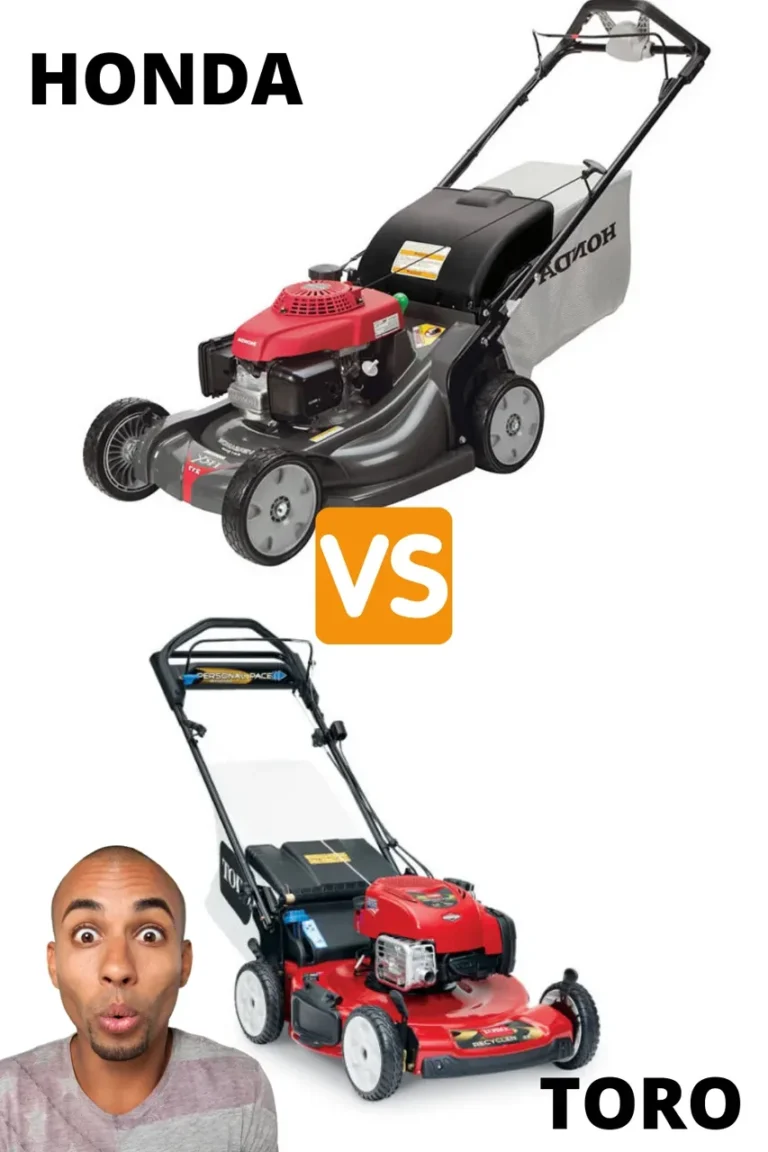
For a closer look at series, brands, and individual machines, these Honda mower comparisons can help organize the differences without treating every model as identical. The right comparison puts similar deck sizes and drive types beside each other.
What Makes A Honda Mower A Good Buy?
A good Honda mower has a sound deck, straight blade shaft, working controls, clean engine operation, and parts that can still be found without a scavenger hunt. A good price cannot rescue a machine with a damaged deck or a transmission that slips under load.
For a new or nearly new machine, inspect:
- The warranty terms and who handles service.
- The exact model and suffix.
- Included bagging and mulching parts.
- Wheel height adjustment design.
- Drive speed range on self-propelled versions.
- Blade and belt availability.
- Storage space and handle folding.
For a used mower, run the machine long enough to reach normal operating temperature. Listen for hunting, knocking, rattling, scraping, and drive noises that appear only after the engine warms up.
A cold start can hide carburetor trouble, while a short idle can hide overheating or a drive belt that slips after repeated use. Ask to test the mower on grass if the seller allows it, and don’t pay until the blade, drive, bag, and height controls all work.
The best Honda walk-behind mower depends on the yard, not a universal ranking. This guide to the best Honda walk-behind mowers compares the kinds of features that matter most for push, self-propelled, mulching, and bagging work.
Maintenance and Troubleshooting for Honda Mowers
Routine maintenance prevents most Honda mower problems before the repair becomes expensive. Clean the deck, check the blade, inspect the oil, keep the air path clear, and address strange sounds before the next full mowing session.
Before any service, shut off the engine, disconnect the spark plug boot, remove the key if the mower has one, and wait for all movement to stop. Wear work gloves when handling the blade, but don’t rely on gloves to protect against a starting engine.
A Practical Service Schedule
Use the owner’s manual for exact intervals because engine versions and mower designs vary. A sensible routine still looks like this:
- Check oil, controls, fuel condition, and loose hardware before mowing.
- Brush or wash grass from the deck after the engine cools.
- Inspect the blade regularly and sharpen or replace it when damaged.
- Clean or replace the air filter according to its condition and manual instructions.
- Check the spark plug when starting becomes difficult or the engine runs poorly.
- Inspect drive cables, belts, wheels, and transmission areas on self-propelled models.
- Prepare the mower for storage with the fuel and oil steps listed in the manual.
Don’t pressure-wash around the carburetor, air filter, electrical controls, or engine seals. Water forced into those areas can create a new problem while trying to remove old grass.
A blade should be balanced after sharpening. An unbalanced blade can create vibration that loosens hardware, damages bearings, and makes the handle buzz in your hands.
Common Problems And Likely Causes
| Symptom | Likely causes | First checks |
|---|---|---|
| Engine won’t start | Stale fuel, bad plug, blocked filter, control issue | Fuel condition, plug connection, air filter |
| Engine starts then dies | Restricted fuel flow, dirty carburetor, blocked cap vent | Fuel path, cap vent, filter |
| Mower vibrates | Bent blade, packed deck, damaged adapter | Blade, underside, mounting hardware |
| Mower won’t pull | Cable adjustment, belt, pulley, transmission | Drive lever, cable, belt area |
| Uneven cut | Dull blade, bent deck, uneven height settings | Blade edge, deck, wheel levers |
| Poor bagging | Wet grass, clogged deck, torn bag, dull blade | Air path, bag fabric, mowing conditions |
| Excessive smoke | Too much oil, tipped mower, oil spill | Oil level and mower position |
A mower that suddenly vibrates deserves immediate attention. Stop mowing, disconnect the spark plug boot, and inspect the blade and adapter before running the machine again.
If the engine smokes briefly after the mower was tipped, spilled oil may be burning off, but continuing smoke, oil loss, or a strong fuel smell needs a closer diagnosis. A repair shop is the safer choice when you find a damaged flywheel, cracked fuel tank, bent crankshaft, or transmission that locks.
Mowing Habits That Protect The Machine
Mow when the grass is dry enough to cut cleanly. Wet clippings stick to the deck, block airflow, add weight to the bag, and make the engine work harder.
Change direction occasionally so the grass doesn’t lean the same way every time. Overlap each pass slightly, and slow down in thick growth instead of forcing the mower through at full walking speed.
On slopes, mow across the face rather than straight up and down when the mower design and local safety guidance allow it. Keep both hands on the handle, avoid sudden turns, and never pull a running mower backward toward your feet.
Never remove a safety guard, discharge cover, or bag flap just to make the mower throw clippings farther. Those parts help control debris, and a stone hidden in grass can travel much farther than expected.
Important Tip: Stop mowing before a storm, lightning, or poor visibility turns a simple chore into a bad gamble. A wet slope and a spinning blade leave very little room for a mistake.
Choosing the Right Honda Model for Your Yard
The right Honda mower should match the lawn’s size, slope, grass thickness, gate width, storage area, and cleanup preference. Start with those conditions, then choose the drive type and features instead of beginning with the most expensive model.
Use this quick decision path:
- Measure the narrowest gate or path the mower must pass through.
- Note whether the lawn is flat, gently sloped, or difficult to walk.
- Decide if you prefer mulching, bagging, or side discharge.
- Choose push or self-propelled based on effort, not status.
- Check whether a gas mower fits your storage and maintenance habits.
- Record the exact model number before buying parts or a used machine.
- Test the mower’s controls, wheels, blade area, and engine condition.
A small flat lawn may feel best with a lighter push mower because turning and storing the machine take more time than cutting. A larger lawn with a slope can justify self-propelled drive even if the mower costs more and weighs more.
If you bag often, rear-wheel drive and a strong bagging system may matter more than a fancy speed control. If you mulch regularly, deck airflow, blade sharpness, and mowing frequency deserve more attention.
For an older Honda, parts support should influence the purchase. Common wear items such as blades, plugs, filters, wheels, cables, and belts are easier to deal with than a rare transmission or missing grass bag.
A clean used mower with a complete bag and straight deck can beat a neglected newer machine. That’s my honest preference after seeing plenty of owners chase a cheap price and inherit someone else’s skipped maintenance.
Key Takeaways:
- Choose push drive for smaller, level lawns and self-propelled drive for slopes or long mowing sessions.
- Treat the complete model and serial numbers as the starting point for correct parts.
- Inspect a legacy mower’s deck, blade shaft, wheels, transmission, bag, and controls before buying.
- Gas and battery mowers solve different problems, so compare runtime, maintenance, noise, and storage.
FAQs About Honda Lawn Mower Models
Are Honda lawn mower models still available?
Some Honda lawn mower models remain common as used machines, while new availability varies by market and sales period. Legacy HRR, HRX, and HRS machines can still be useful when the deck is sound and service parts are accessible. Check the exact model code before assuming a mower is supported like a new product.
Which Honda mower is best for a sloped yard?
A rear-wheel-drive self-propelled Honda mower is often the better fit for a sloped yard because the drive wheels can maintain traction near the operator. Slope safety still matters more than brand, so avoid wet grass, keep both hands on the handle, and follow the mower manual’s limits.
How do I find the right Honda mower blade?
Find the complete mower model and serial number before ordering a Honda mower blade. Deck width alone isn’t enough because blade length, center-hole shape, blade adapter, and mounting hardware can vary. Compare the old blade only after removing it safely and checking for bends or cracks.
Can an old Honda lawn mower still be worth buying?
Yes, an old Honda lawn mower can be worth buying when the engine starts cleanly, the deck has no structural damage, the drive system works, and common parts are available. A cracked deck, missing bag, locked transmission, or bent crankshaft can turn a low purchase price into an expensive repair.
Is a Honda gas mower hard to maintain?
No, a Honda gas mower isn’t hard to maintain if you check oil, keep the air filter clean, sharpen the blade, clean the deck, and store fuel sensibly. Self-propelled versions add belts, cables, and transmission parts, so they need more inspection than a basic push mower.
Should I buy a Honda mower or a battery mower?
A Honda gas mower may suit a large lawn, heavy grass, or long mowing session, while a battery mower may suit a smaller yard where quiet operation and easy starting matter most. Compare the full battery cost, charging time, runtime, fuel storage, service needs, and local parts access.
The Smartest Way to Pick A Honda Mower
Honda lawn mower models make the most sense when the model’s condition and features fit your yard, not when the name alone makes the decision. A dependable push mower can be the right call for a flat city lot, while a rear-wheel-drive self-propelled machine may save your legs on a sloped suburban lawn.
My clearest advice is to write down the full model number, inspect the deck and blade area, and test every control before buying. That short routine protects your money, points you toward the right parts, and helps you choose a mower you’ll still enjoy using after the first fresh-cut smell wears off.