Honda HRX-BE Review: Features, Limitations and Who It Suits
The Honda HRC-BE is worth considering for buyers who want a self-propelled battery mower with commercial-focused hardware, two battery bays, and fine cutting control. It is a poor fit if you need confirmed long-term durability data, a lighter mower, or a clearly documented residential model.
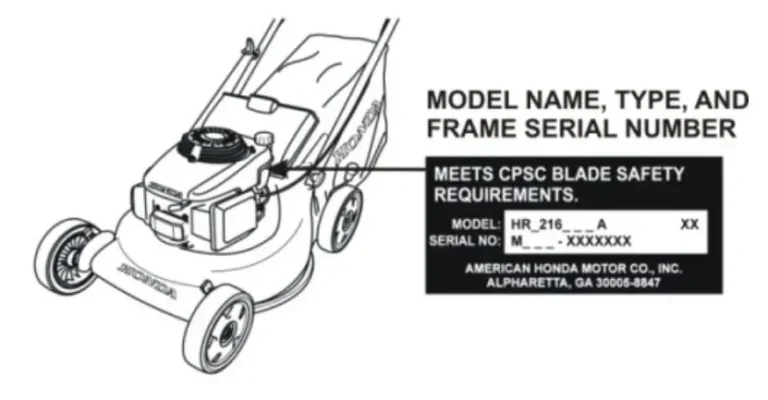
The first issue is the name. The supplied product listing calls this mower the Honda HRC-BE 21-Inch Commercial Battery Powered Lawn Mower, model HRC216EXA6, while the search phrase uses “Honda HRX-BE.” That difference matters because HRC and HRX can refer to different Honda mower lines. Check the model number, included battery, charger, and manual before placing an order.
The catalog describes a 21-inch, self-propelled mower with a 12 Ah lithium-ion battery, two battery bays, variable drive speed, and a 2.5-bushel grass bag. Honda’s listing claims up to 45 minutes of runtime, or about 0.37 acre, per charge, but grass height, slope, blade condition, and drive speed can change actual results.
The useful questions are simple: Will one charge cover your lawn? Do you need adjustable drive speed? Is commercial-style construction worth the added cost and weight?
Can you store and charge the battery safely? This review separates confirmed product claims from the normal trade-offs of battery walk-behind mowers.
- Match the mower’s claimed runtime and cutting width to your yard.
- Understand the cutting, mulching, bagging, and drive-speed features.
- Weigh the commercial positioning against battery, weight, and service questions.
- Set up a safe charging, cleaning, and storage routine.
Honda HRC-BE 21-Inch Commercial Battery Powered Lawn Mower (HRC216EXA6) | 12 AH Battery Powered Variable Speed Self Propelled Lawn Mower, 2 Battery Bays, 2.5 Bushel Capacity, Easy-Off Grass Bag

Technical Specifications
- ColorRed
- Number Of Items1
- Electric Mower With 2 Battery BaysThe HRC-BE electric lawn mower comes with a 12 AH lithium-ion battery with up to 45 minutes of run time, or about 0
- Adjustable Cutting HeightThis battery lawn mower offers a dual-lever height adjustment system that offer 8 cutting heights between 0.75-4 in
Alternatives Worth Considering
-

SENIX 201cc 22″ 3-in-1 Variable Speed Self Propelled Gas Lawn Mower | Self Propelled Lawn Mower, 22″ Self Propelled Gas Lawn Mower, 6 Height Adjustable
The Amazon listing notes Powerful 201cc OHV Engine-Powered by a reliable 201cc 4-cycle OHV engine, this lawn mower delivers strong, consistent perform. Check whether this self propelled lawn mower fits your requirements and compare its specifications before bu.
-

YARDMAX 22 in. 201cc Select PACE 6 Speed CVT High Wheel FWD 3-in-1 Gas Walk Behind Self Propelled Lawn Mower, Black (YG2860)
The Amazon listing notes Exclusive and industry-leading CVT (Continuously variable transmission) offers superior speed variability to adjust the mower. Check whether this self propelled lawn mower fits your requirements and compare its specifications before bu.
-

Greenworks 80V 21in Self-Propelled Lawn Mower, 4.0 Ah Battery and Charger | Brushless motor with LED headlight and rapid charger; self-propelled drive reduces effort on larger lawns.
The Amazon listing notes [80V 21” SELF-PROPELLED LAWN MOWER] – Get more done, faster, with Greenworks electric lawn mowers. This 80V lawn mower cuts u. Check whether this self propelled lawn mower fits your requirements and compare its specifications before bu.
Honda HRC-BE Review at a Glance
The Honda HRC-BE is a feature-rich self-propelled battery mower aimed at larger residential lawns and demanding routine work. Its strongest points are the adjustable drive speed, two battery bays, broad cutting-height range, and large bag, while its biggest unknowns are actual runtime under your conditions, total weight, and long-term support details.
Key Specifications:
- Product type: Self-propelled battery lawn mower
- Cutting width: 21 inches
- Battery: 12 Ah lithium-ion battery, according to the catalog listing
- Battery bays: 2
- Claimed runtime: Up to 45 minutes, or about 0.37 acre, per charge
- Grass bag capacity: 2.5 bushels
- Cutting height: 0.75 to 4 inches across 8 settings
- Drive speed: Adjustable from 0 to 4 mph
- Cutting system: Twin-blade MicroCut system with four cutting surfaces
- Color: Red
- Listed number of items: 1
The listing does not confirm the mower’s weight, charge time, noise level, deck material, battery recharge time, warranty, or whether a second battery is included. Treat the two-bay design as expansion capacity unless the package description clearly lists two batteries.
The phrase “up to 45 minutes” is a best-case catalog claim, not a guarantee for every lawn. Thick damp grass, steep slopes, tall growth, frequent bagging, and fast drive settings can reduce coverage.
Honda HRC-BE Features and Benefits
The HRC-BE combines a battery motor, self-propelled drive, twin-blade cutting, adjustable mowing height, and a large collection bag. Those features target buyers who want less pushing and more control than a basic walk-behind mower provides.
Commercial-positioned motor for demanding mowing
The catalog describes a 2.0 kW HRC motor and claims 33% more power and torque than Honda residential mowers. That is a seller-provided performance claim, not an independent test result, so it should be viewed as positioning rather than proof that the mower will handle every lawn without bogging down.
More torque can be useful when grass is thick or the deck is full of clippings. It may also help a self-propelled mower maintain progress when the lawn is not flat, although slope performance still depends on traction, surface condition, operator control, and battery charge.
A commercial label does not automatically answer practical questions about service life. Buyers should still confirm the warranty, replacement battery availability, service network, and included charger before paying a premium.
Two battery bays and claimed 45-minute runtime
The mower includes two battery bays and is listed with a 12 Ah lithium-ion battery. Honda’s catalog claim gives up to 45 minutes of runtime, covering about 0.37 acre per charge, with the possibility of doubling runtime with a second battery.
The exact switching behavior between bays is not confirmed in the supplied information. Check whether the mower uses one battery at a time, changes automatically, or requires a manual changeover.
Battery capacity is only one part of mowing range. Wet clippings, tall grass, repeated stops, bagging, hills, and high self-propelled speed can all use more energy. A small, regularly cut lawn is more likely to fit within the stated range than an overgrown or uneven property.
Buyers comparing electric Honda models may also want to review Honda’s electric mower lineup before treating the HRC-BE as proof that every Honda mower uses the same battery system.
Variable self-propelled speed
The Electric Cruise Control transmission is listed as adjustable from 0 to 4 mph. A lever controls the pace, allowing a slower setting around landscaping, trees, gates, and tight corners.
Adjustable speed is more useful than a single fast setting when mowing uneven ground. You can reduce the pace while bagging, turning, or working near obstacles, then increase it on an open section of lawn.
Self-propulsion also consumes battery power. Pushing the mower manually where practical may stretch a charge, while constant use of the drive system can reduce the area covered.
Twin-blade MicroCut system
The listing describes a twin-blade MicroCut system with four cutting surfaces. Honda says this produces finer clippings that fit more easily into the 2.5-bushel bag.
Fine clippings can help use bag space efficiently and may support a cleaner-looking cut when the grass is dry and the blades are sharp. That does not mean the mower will never clog. Wet, tall, or unusually dense grass can challenge any bagging system.
A twin-blade deck also creates more parts that need inspection than a single-blade layout. Follow the manual for blade removal, torque requirements, sharpening, and replacement.
Eight cutting heights for changing grass conditions
The dual-lever height adjustment provides eight settings from 0.75 to 4 inches. A low setting can suit short ornamental turf, while a higher setting is usually more forgiving during hot weather or periods of fast growth.
The full range gives you room to adjust for season, grass type, and lawn stress. Avoid removing too much leaf tissue at once when grass has grown tall, since that can leave heavy clippings and place more demand on the motor.
The catalog does not explain whether the front and rear wheels adjust together or separately beyond the dual-lever description. Confirm the adjustment method before purchase if you often change height or mow uneven areas.
Mulching, bagging, and discharge flexibility
A mulching plug is included, and the large bag supports collection when you want a tidy finish. Mulching returns small clippings to the lawn, while bagging removes them from the surface.
The right choice depends on mowing conditions. Mulching works best when the lawn is cut often and clippings are not wet or excessively long. Bagging may be more practical after rapid growth, but it fills the battery-powered mower’s workload and requires repeated emptying.
The supplied facts do not confirm a side-discharge option. If side discharge matters for rough or overgrown areas, verify that feature in the exact manual or package listing.
What to Look for in a Self-Propelled Lawn Mower Before You Buy
The main buying factors are coverage, drive control, cutting range, handling, upkeep, and support. The HRC-BE has useful figures for several of these areas, but important details remain unconfirmed.
Battery range and lawn size
Start with the area you mow, not the battery’s amp-hour number. Honda’s stated coverage is up to 0.37 acre per charge, or about 16,117 square feet, under conditions that may not match your yard.
Measure the actual mowable area if possible. Buildings, garden beds, slopes, trees, and narrow passages reduce the area that can be cut in one continuous session, while wet or tall grass raises energy use.
A second battery could help, but the supplied listing does not clearly confirm that one is included. Ask whether the package contains one battery, two batteries, and a charger before comparing package prices.
Cutting width and height
A 21-inch deck is a common walk-behind size that balances coverage with access around obstacles. Wider is not always better if your gates, paths, or storage space are narrow.
The HRC-BE offers eight height positions from 0.75 to 4 inches. That range is useful for seasonal adjustment, but the best setting depends on your grass and local conditions rather than a single advertised number.
Drive control and slope handling
Variable speed from 0 to 4 mph can make a mower easier to manage around obstacles and on open stretches. A slower setting also gives you more time to react near curbs, landscaping, and property edges.
Do not assume self-propelled means suitable for every slope. Look for traction, wheel design, braking behavior, and the manufacturer’s slope guidance. For steep ground, a professional assessment may be safer than relying on a large motor claim.
Bagging, mulching, and clipping management
A 2.5-bushel bag holds more than many small mower bags, which can reduce trips to the compost area. The trade-off is added weight as the bag fills.
Check how the bag attaches, whether the opening is easy to clear, and how much room you have for storage. A mower that bags well but is awkward to empty can become frustrating on a large lawn.
The HRC-BE includes a mulching plug, but the supplied data does not confirm every discharge mode. Confirm the full clipping-management setup if you need more than mulching and bagging.
Service, battery, and storage support
Battery equipment is only as useful as its replacement parts. Before buying, confirm battery availability, charger replacement, blade compatibility, warranty terms, and authorized service options.
The listing does not provide the HRC-BE’s weight or charge time. Those missing facts affect carrying, storage, and whether a single battery can cover your mowing window.
When comparing Honda models, the label alone is not enough. A buyer researching the HRX-BV versus HRX-BE should verify whether the comparison involves the same product family, battery system, and intended duty level.
Honda HRC-BE Pros and Cons
The HRC-BE has a strong feature set on paper, but the available catalog information leaves several ownership questions for the buyer to confirm.
Pros:
- Self-propelled drive with adjustable speed from 0 to 4 mph.
- 21-inch cutting width for broad residential coverage.
- 12 Ah lithium-ion battery listed with up to 45 minutes of runtime.
- Two battery bays may support longer mowing sessions.
- Eight cutting heights from 0.75 to 4 inches.
- Twin-blade cutting system with four cutting surfaces.
- 2.5-bushel bag and included mulching plug.
- Commercial-positioned 2.0 kW motor claim.
Cons:
- Actual runtime can be lower in wet, tall, dense, or hilly grass.
- Weight, charge time, noise, warranty, and deck material are not confirmed.
- A second battery may not be included despite the two-bay design.
- The HRC-BE name can be confused with the similarly worded HRX-BE search term.
The biggest downside is uncertainty around ownership details, not a confirmed defect. Buyers who need a light mower, quick carrying, or easy-to-verify support information should pause until the missing specifications are clear.
The commercial positioning may also be more mower than a small, flat lawn needs. A simpler self-propelled battery model could be easier to store and less costly to maintain if you do not need the HRC-BE’s battery capacity or drive controls.
Who Should Buy Honda HRC-BE and Who Should Skip It
The Honda HRC-BE makes the most sense for buyers who want adjustable self-propulsion, a larger collection bag, and the option to extend battery use with a second bay.
Choose It If:
You mow a medium to larger lawn and want a 21-inch deck with self-propelled assistance. The adjustable 0-to-4-mph drive can be useful when your yard includes open sections, landscaping, and mild slopes.
You prefer switching between mulching and bagging, and you value a wide cutting-height range. The 2.5-bushel bag and eight height settings fit buyers who care about clipping control and seasonal mowing changes.
You are willing to confirm battery, charger, warranty, weight, and service details before purchase. A buyer who wants a commercial-positioned electric mower may find the HRC-BE more suitable than a basic residential unit, but that choice should follow a package check.
Skip It If:
You have a very small, flat yard where self-propulsion and two battery bays add more cost or weight than value. A lighter push mower may be easier to carry and store.
You need guaranteed all-day mowing from one included battery. The catalog gives a runtime estimate, not a promise, and the package may not include a second battery.
You are specifically shopping for the HRX line. The supplied product is identified as HRC-BE and HRC216EXA6, so compare the model number rather than relying on the “Honda HRX BE review” search wording.
A buyer focused on Honda’s broad mower range can also compare the best Honda walk-behind mowers by drive type, intended use, and available support instead of choosing by battery branding alone.
How to Use and Care for Honda HRC-BE
The most important habit is to keep the deck, blades, battery contacts, and collection path clean while following the manual for every electrical and blade-related procedure.
Charge and store the battery safely
Use only the charger specified for the mower and battery system. Keep the battery and charger dry, away from direct heat, and on a stable surface with air around them during charging.
Do not charge a battery that is swollen, cracked, leaking, unusually hot, or visibly damaged. Stop using it and contact qualified service support for guidance rather than opening the pack or attempting a repair.
Because the catalog does not provide charge time or storage temperature limits, follow the supplied manual for those details. Store the battery where children and pets cannot access it.
Prepare the lawn before mowing
Clear branches, stones, wire, toys, and other objects before starting. Objects hidden in tall grass can damage blades or become dangerous projectiles.
Set the cutting height before entering the grass. For overgrown areas, use a higher setting first rather than trying to remove several inches in one pass.
Keep feet and hands away from the deck, blades, discharge opening, and bag opening. Turn the mower off and follow the manual’s battery-removal procedure before clearing a blockage.
Mow at a steady pace
Use a slower self-propelled speed around trees, beds, gates, and uneven ground. On open, level areas, a faster setting may save time, but it can also use more battery power.
Avoid mowing wet grass when possible. Damp clippings can clump under the deck, fill the bag quickly, and reduce the clean cutting action expected from the twin-blade system.
Pro Tip: Keep the blade sharp according to the manual’s instructions. A dull blade can leave ragged grass and make the mower work harder, even when the battery is fully charged.
Clean the deck and bag
Remove grass buildup after the mower is powered down and the battery is handled as directed by the manual. Do not spray water into the motor, battery compartment, controls, or electrical connections.
Empty and dry the bag before storing it. A damp bag can develop odors and may become harder to clean over time.
Inspect the underside, wheels, levers, and discharge area for packed clippings. If the mower vibrates, cuts unevenly, or makes a new noise, stop and check for a damaged blade, loose hardware, or debris.
Important Tip: Do not guess at blade service or fastener torque. The HRC-BE uses a twin-blade system, so follow the correct service procedure or use a qualified repair professional.
Watch battery and drive-system changes
Shorter runtime can result from grass conditions, battery age, storage, or a cutting problem. If runtime drops sharply, the battery becomes unusually hot, or charging behaves differently, stop using the equipment until the cause is checked.
A self-propelled drive that surges, fails to move, or behaves differently deserves attention before the next mowing session. Keep the drive controls and wheels free of grass buildup, and follow the manual for lubrication or adjustment instructions.
Common Questions People Ask About Honda HRC-BE
Is the Honda HRC-BE the same as the Honda HRX-BE?
No confirmed information here proves that the HRC-BE and HRX-BE are the same mower. The supplied listing identifies the product as the Honda HRC-BE 21-Inch Commercial Battery Powered Lawn Mower, model HRC216EXA6. Verify the exact model number, manual, battery system, and package contents before buying.
How long can the Honda HRC-BE run on one charge?
The catalog claims up to 45 minutes of runtime, covering about 0.37 acre per charge. Actual coverage can be lower in tall, wet, dense, or hilly grass, or when self-propulsion and bagging are used heavily. Treat the number as an estimate rather than a guaranteed mowing time.
Does the Honda HRC-BE include two batteries?
The supplied facts confirm two battery bays and a 12 Ah battery, but they do not clearly confirm that two batteries are included. A second bay can provide expansion capacity without being part of the package. Check the exact box contents for the battery count, charger, and mulching accessories.
Can the Honda HRC-BE mulch and bag grass?
Yes, the catalog lists a mulching plug and a 2.5-bushel grass bag. The twin-blade MicroCut system is described as producing finer clippings for collection. Mulching and bagging results still depend on grass height, moisture, blade condition, and mowing frequency.
Is the Honda HRC-BE suitable for hills?
The supplied information confirms self-propelled speed control from 0 to 4 mph, but it does not provide a maximum slope rating or independent traction results. Use extra care on slopes, mow across rather than directly up or down when appropriate, and follow the manual’s safety guidance.
What warranty does the Honda HRC-BE have?
The available catalog information does not state a warranty period or coverage terms. Confirm the warranty, battery coverage, charger coverage, and service process before purchase. Battery warranties can differ from mower warranties, so check both rather than assuming they match.
Should You Buy Honda HRC-BE?
Buy the Honda HRC-BE if you want a self-propelled battery mower with adjustable speed, a 21-inch deck, a large bag, eight cutting heights, and the possibility of extended runtime through its two-bay design. The commercial-positioned motor and twin-blade system make it appealing for buyers who mow more than a tiny, flat lawn.
The main limitation is incomplete ownership information. Runtime is a catalog estimate, the second battery may not be included, and weight, charge time, warranty, noise, and service details are not supplied here.
If those points check out and the model number matches your intended mower, the HRC-BE is a reasonable candidate. If the yard is small or carrying weight matters most, a simpler and lighter battery mower may be the better choice.