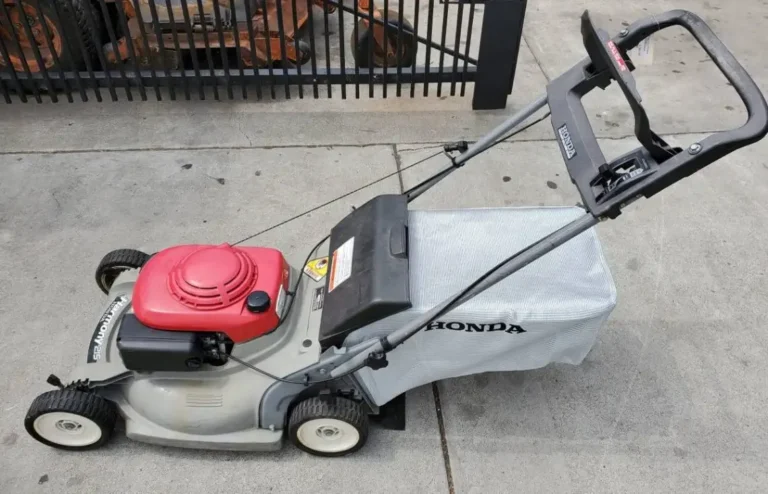
Honda Lawn Mower Losing Power When Cutting Grass: What to Check
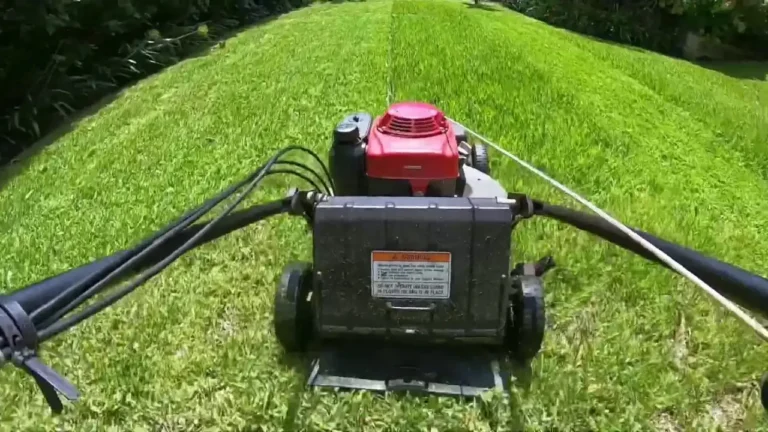
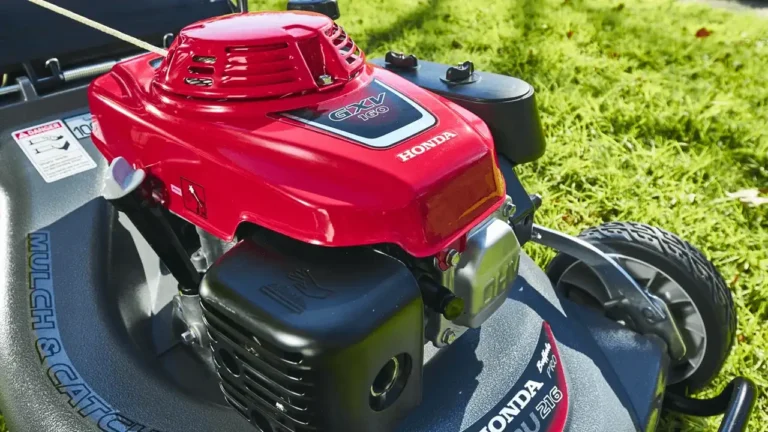
A Honda lawn mower that loses power while cutting grass usually has restricted airflow, stale fuel, a dirty spark plug, a dull blade, or grass packed under the deck. Start with the blade and deck, then check the air filter, fuel flow, and engine controls before buying parts.
Does the engine sound strong while idling, then bog down as soon as the blade hits thick grass? Is the mower fine on short, dry turf but coughing through tall or damp grass?
I once rushed through a mowing job with a blade that looked “good enough.” The engine labored, the cut turned ragged, and the deck packed with wet clippings until the mower shook like a shopping cart with one bad wheel. That mistake is common, not dumb.
I wrote this guide for anyone who wants a clear answer without taking a working mower apart for sport. You’ll get a practical order of checks, safe cleaning steps, repair clues, and a way to tell a simple overload from a real engine problem.
If you find the cause, you can restore cutting speed, reduce fuel waste, protect the engine, and stop leaving strips of tall grass behind. If you skip the basic checks, a cheap blade or filter problem can turn into a damaged belt, overheated engine, or expensive carburetor repair.
This takes about 10 minutes to read, then you can work through the mower at your own pace.
- You’ll identify the most likely reason power drops under load.
- You’ll inspect the blade, deck, air filter, fuel, and spark plug in the right order.
- You’ll match symptoms to practical fixes instead of guessing at parts.
- You’ll know when the mower needs a repair shop.

Honda Lawn Mower Losing Power When Cutting Grass: the Fast Diagnosis
A Honda mower that loses power during cutting needs a load-based diagnosis: first rule out grass resistance, then check airflow, fuel delivery, ignition, and engine control. A healthy mower should keep a fairly steady engine note when the blade enters normal grass, with only a brief change in pitch.
Start with the safest and easiest checks:
- Stop the engine and disconnect the spark plug wire. Move the wire away from the plug so the engine can’t start accidentally.
- Inspect the blade and deck. Remove packed grass, check for a bent blade, and look for anything rubbing the deck.
- Check mowing conditions. Tall, wet grass can overload even a healthy mower, especially when the cutting height is set low.
- Inspect the air filter. A restricted filter limits oxygen, making the engine run rich and stumble under load.
- Check fuel quality and flow. Old gasoline, a blocked cap vent, or a dirty carburetor can starve the engine.
- Inspect the spark plug and control cable. A weak spark or partly closed throttle can rob cutting power.
- Test the mower on dry grass at a higher deck setting. A change in performance helps separate a cutting-load problem from an engine problem.
A simple test gives you useful information. If the Honda engine runs well with the blade disengaged but bogs down the instant the blade engages, inspect the blade, deck, belt, and spindle before chasing the carburetor.
| What you notice | Likely cause | First useful fix |
|---|---|---|
| Engine slows in tall or wet grass | Excessive cutting load | Raise the deck, mow slower, and cut only one-third of the grass height |
| Engine surges before losing power | Restricted air or uneven fuel flow | Check the air filter, fuel cap vent, and carburetor |
| Loud vibration with weak cutting | Bent or unbalanced blade | Stop mowing and inspect or replace the blade |
| Mower starts, then fades after several minutes | Fuel vent or fuel-flow restriction | Loosen the fuel cap briefly during a safe stop and inspect fuel flow |
| Black smoke and sluggish running | Too much fuel or too little air | Inspect the air filter and choke operation |
| Engine dies when blade engages | Blade drag, deck obstruction, or engine weakness | Disconnect the plug wire, inspect underneath, then test the engine |
Why does the mower handle short grass but fail in thick growth? Cutting taller grass makes the blade remove more material per pass, so the engine needs more torque. A dull blade also creates extra drag because it tears through stems instead of slicing cleanly.
Honda mower engines use a governor, a mechanical speed-control system that opens the throttle as engine load rises. A brief rise in engine note is normal when the blade enters heavy grass, but repeated surging, stalling, or dramatic speed loss points to a fault or excessive load.
The cutting height matters more than many owners expect. If the lawn is 6 inches tall and the deck is set near 2 inches, the mower is being asked to remove too much material at once. Raise the deck, make a second pass, and keep the mower moving at a steady walking pace.
Pro Tip: Cut no more than one-third of the grass height in one pass. That small change often restores power faster than replacing random engine parts.
Blade, Deck, and Mowing Load Checks
A sharp, balanced blade and a clear deck let the engine spend power on cutting instead of fighting friction and clippings. These checks belong near the front of the diagnosis because they’re common, visible, and less costly than fuel-system work.
Before reaching under the deck, shut off the engine, remove the spark plug wire, and wait for every moving part to stop. Wear work gloves because blade edges can cut skin even when the blade looks dull, and never rely on the mower’s brake alone.
Inspect the blade for these signs:
- A rounded cutting edge that feels more like a butter knife than a tool.
- A bend near the center bolt or one tip sitting lower than the other.
- Deep nicks from rocks, roots, or hidden edging.
- Heavy grass buildup stuck to the underside.
- Cracks, missing metal, or a damaged mounting hole.
A blade can look straight while still being out of balance. After removal, place the blade on a proper blade balancer or a level nail through the center hole, following the mower manual’s removal direction and torque guidance. Don’t grind one side aggressively, because an uneven blade creates vibration and spindle stress.
A dull blade doesn’t just make the lawn look rough. Ragged leaf tips lose moisture faster and turn brown, while the extra resistance can make a marginal engine stall. If you’re comparing replacement options, model-matched Honda blades are usually a better bet than a blade chosen only by length.
The deck also needs a plain inspection. Grass packed around the discharge opening, blade housing, or underside can block clippings and create a heavy spinning load. Scrape buildup with a plastic or wooden tool after the spark plug wire is disconnected, and keep water away from the air filter, carburetor, and electrical connections.
Honda mowers with a blade brake clutch, where the blade stops while the engine keeps running, can lose power if the clutch or spindle drags. A scraping sound, hot smell, or blade that doesn’t spin freely with the engine off deserves attention before another mowing attempt.
Could the grass itself be the whole problem? Yes, especially when the lawn is wet, the deck is low, or the mower is pushed too quickly. Mow dry grass, raise the deck by one notch, overlap passes only slightly, and slow down in dense patches.
I once found a mower that had a clean air filter and fresh fuel but still bogged down badly. The real culprit was a blade packed with a thick, damp mat of clippings, and clearing that mess brought the engine right back to its normal note.
Important Tip: Never tilt a gasoline mower with the carburetor or air-filter side facing down unless the manual permits that position. Oil or fuel can run into places that create a no-start problem.
A mower that cuts unevenly can also feel underpowered because you’re forced to make extra passes. A bent blade, wrong blade height, low tire, or damaged deck can all create that issue, so uneven cutting checks belong in the same inspection.
Air, Fuel, Ignition, and Engine Controls
Once the blade and deck pass inspection, power loss usually comes from a restricted air filter, bad fuel delivery, a weak spark, or a control that isn’t opening the throttle fully. Work in a clean, ventilated spot and keep gasoline away from flames, pilot lights, cigarettes, and hot engine parts.
Start with the air filter because a clogged filter is common and easy to miss. A paper filter should usually be replaced when dirty, while a foam pre-filter may be washable if the Honda manual allows it. Don’t soak a paper element, blast it with high-pressure air, or reinstall it while damp.
A clean filter must sit correctly in its housing, with the cover sealed and the gasket in place. A crooked filter can let dusty air bypass the element and wear the cylinder, while an over-oiled foam filter can restrict airflow. The safe cleaning sequence is covered in Honda air filter cleaning if you need the exact handling details for your filter style.
Fuel problems often show up under load before they appear at idle. Gasoline that has been sitting for months can leave varnish in the carburetor, and water or debris in the tank can restrict the small passages that feed the engine.
Drain questionable fuel into an approved container with the engine cool. Don’t pour gasoline onto soil, into a drain, or into household trash, and check local disposal rules for the container and fuel.
Check the fuel cap vent too. A blocked vent can create a vacuum in the tank, causing the engine to fade after several minutes. Stop the mower safely and loosen the cap briefly; if the engine later runs normally for a short time, the cap vent deserves inspection or replacement.
A carburetor mixes gasoline and air before the mixture enters the engine. A dirty main jet can let the engine idle but fail to supply enough fuel when the blade adds load. Cleaning a carburetor can help, yet forcing wire into a jet or spraying cleaner into random openings can damage parts and spread debris.
The spark plug gives useful clues. A dry, light-colored tip can point toward a lean mixture or fuel shortage, while a wet or black, sooty tip can point toward flooding, restricted air, or a weak ignition spark. Replace a worn plug with the correct type and gap listed for the engine, and don’t overtighten it into the aluminum cylinder head.
Check the throttle and governor linkage with the engine off. The cable should move the control arm through its full range without binding, and the choke should open fully after the engine warms up. A stuck choke can cause black smoke and power loss, while a loose or damaged governor spring can create unsafe engine speed changes.
How can you tell a rough-running problem from a pure cutting-load problem? If the engine surges, smokes, or runs unevenly with the blade disengaged, the air, fuel, ignition, or governor system is more likely at fault. A Honda mower that runs smoothly until the blade engages points more strongly toward the blade, deck, spindle, belt, or heavy grass.
A mower that runs rough can lose power for several related reasons, including a dirty filter, poor fuel, a fouled plug, or a governor issue. A separate rough-running diagnosis can help you sort smoke and surging from a problem that appears only during cutting.
A practical restart test
After each repair or cleaning step, test only one change at a time. That way, you’ll know what fixed the mower instead of ending up with five new guesses.
- Reconnect the spark plug wire after all hands-on work is finished.
- Start the engine outdoors, away from loose clothing and children.
- Let the engine warm briefly without engaging the blade.
- Listen for steady running and check for smoke or fuel leaks.
- Engage the blade from a safe operating position.
- Test on short, dry grass before returning to heavy growth.
Pro Tip: If the engine improves after a new filter and fresh fuel but still fades under heavy grass, don’t keep forcing it. Check blade sharpness and deck buildup before touching the carburetor.
When Repairs, Parts, or Professional Help Make Sense
A Honda mower needs professional service when basic airflow, fuel, blade, and deck checks don’t restore power or when the engine shows unsafe mechanical symptoms. Good diagnosis saves money because a repair shop can focus on the failed system instead of replacing every part in sight.
A few clues point toward deeper engine work:
- The engine knocks, grinds, or makes a sharp metallic tapping sound.
- Oil contains metal flakes or smells strongly of gasoline.
- The mower burns oil, produces heavy blue smoke, or loses compression.
- The flywheel key may be damaged after the blade struck a solid object.
- The crankshaft appears bent, causing blade wobble.
- The engine overspeeds or cannot respond normally to the governor.
- The mower keeps stalling after fresh fuel, a clean filter, and a sound blade.
A hard impact can shift ignition timing if the flywheel key shears. The mower may still start, but it can run poorly, kick back, or lack power. Checking that key requires partial engine disassembly, so a qualified small-engine technician is the sensible choice when a blade strike came before the problem.
The belt and spindle also matter on self-propelled Honda models. A worn belt can slip under load, while a dry or damaged spindle bearing can add drag and heat. With the engine off and spark plug wire removed, the blade should turn smoothly by hand, without grinding or a tight spot.
Don’t keep mowing if the blade vibrates hard, fuel leaks, smoke becomes heavy, or the engine races. A shaky blade can damage the spindle and deck, while an overspeeding engine can fail quickly and throw parts.
Repair cost depends on the failed part, mower age, labor rate, and whether the machine needs cleaning or replacement components. A filter, spark plug, or blade is usually a straightforward owner repair, while carburetor rebuilding, flywheel work, crankshaft repair, or governor service may justify a shop visit.
I’d replace a badly damaged blade rather than trying to rescue it with a grinder. The price difference is often small compared with the risk of vibration, poor balance, and another bent spindle.
- A dull blade, blocked deck, or tall wet grass can overload a healthy Honda mower.
- Air filters, fuel flow, spark plugs, and governor controls cause many load-related power problems.
- Stop using the mower for strong vibration, fuel leaks, engine overspeed, or metallic noise.
- Change one thing at a time during testing so the real fix stays clear.
FAQs About Honda Lawn Mower Losing Power When Cutting Grass
Why does my Honda lawn mower lose power in tall grass?
A Honda lawn mower loses power in tall grass because the blade meets too much plant material at once, especially with a low deck, dull blade, or wet turf. Raise the cutting height, mow slowly, remove only one-third of the grass height, and clear clippings from the deck after the engine cools.
Can a dirty air filter make a Honda mower lose power?
Yes, a dirty air filter can make a Honda mower lose power by limiting air entering the carburetor. The engine may start and idle but stumble when the blade adds load. Replace a dirty paper filter or clean an approved foam filter, then confirm the cover seals correctly.
Why does my Honda mower run fine until the blade is engaged?
A Honda mower that runs fine until the blade engages may have a dull or bent blade, packed deck, dragging spindle, slipping belt, or excessive grass load. If the blade and deck are clear, check engine speed, governor movement, and fuel delivery before opening the carburetor.
Can old gas cause power loss while mowing?
Yes, old gasoline can cause power loss while mowing because gum or debris may restrict the carburetor’s small fuel passages. Drain questionable fuel safely, add fresh gasoline suited to the engine, and inspect the tank, fuel line, and carburetor if the engine still fades under load.
Should I sharpen or replace a Honda mower blade?
Replace a Honda mower blade when the metal is cracked, bent, deeply damaged, or impossible to balance. Sharpen a sound blade when the edge is merely dull, then balance it before installation. A balanced blade reduces vibration and lets the engine devote more power to cutting.
Get Your Honda Mower Cutting Strongly Again
A Honda lawn mower that loses power while cutting grass usually gives you clues before it needs major engine work. Start with the blade, deck, mowing height, and grass condition, then move through the air filter, fuel, spark plug, governor, belt, and spindle in that order.
My practical choice is to fix the simple load problems first because they cost little and often solve the complaint. Disconnect the spark plug wire before reaching under the deck, test one change at a time, and stop when vibration, leaking fuel, smoke, or strange engine speed enters the picture. That approach saves parts, protects the mower, and gets you back to a clean cut without chasing ghosts.