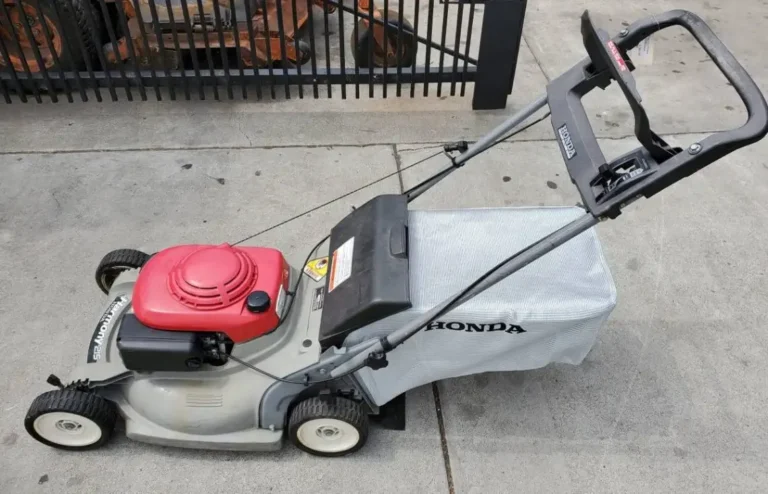
Honda Lawn Mower Accessories: Compatibility and Useful Upgrades
Honda lawn mower accessories can make mowing easier, cleaner, and less tiring, but the right choice depends on your mower’s model code, deck size, engine, and attachment points. Useful upgrades include grass bags, mulch plugs, replacement blades, engine-care supplies, covers, storage aids, and a few comfort items.
Have you bought a bag or blade that looked right online, only to find that the mounting points were different? Are clippings building up under the deck, or is the mower hard to start after sitting all winter?
I once grabbed a replacement grass bag by matching the brand name alone. The fabric fit the frame poorly, the mouth sagged into the blade path, and I spent an afternoon fixing a problem that should’ve taken five minutes. That mistake is common, not foolish.
I wrote this guide to help you sort useful upgrades from shiny extras that spend money without solving a real problem. You’ll get a clear way to check compatibility, choose maintenance supplies, and build a sensible accessory setup for a Honda walk-behind mower.
Match each accessory to the mower first, and you can gain cleaner mowing, fewer interruptions, longer part life, and a more comfortable grip. Skip that step, and you may end up with a loose bag, poor discharge control, damaged threads, or a blade that doesn’t balance correctly.
This takes about 11 minutes to read, and the goal is a buying decision you won’t regret. You’ll learn how to:
- Identify the numbers that control accessory fit.
- Choose between genuine Honda, aftermarket, and universal accessories.
- Pick the right blade, bag, cover, oil, and tune-up supplies.
- Avoid unsafe attachments and common compatibility mistakes.
- Build a practical accessory kit without filling the garage with clutter.
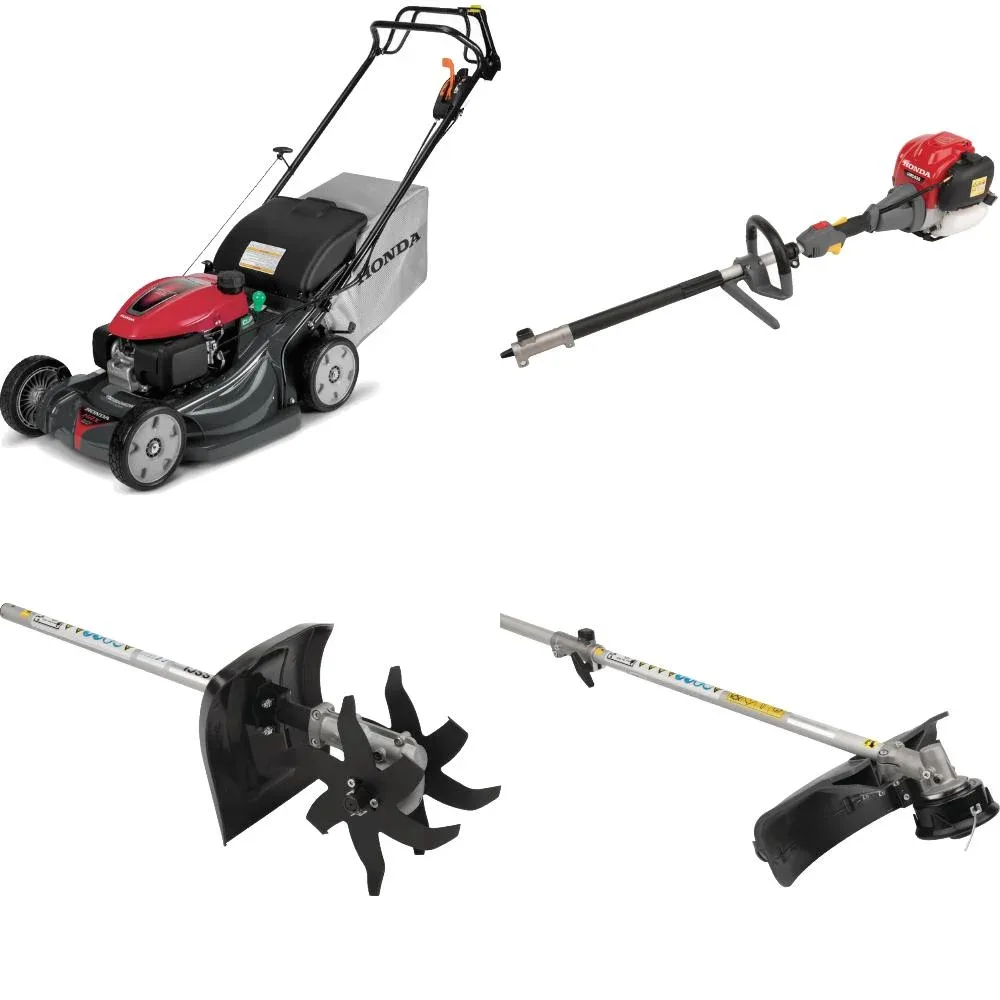
Honda Lawn Mower Accessories: What Fits and What Helps
Honda lawn mower accessories fit best when you match the mower model, serial range, deck width, engine type, and attachment design before buying. Start with the identification label, then compare the accessory’s fit notes rather than relying on a photo or a general phrase such as “fits Honda mowers.”
A Honda walk-behind mower usually has a model code printed on a label near the rear of the deck, upper handle, side frame, or engine area. The label may also show a serial number, product code, or production range. Write down every number before shopping because two mowers that look nearly identical can use different bags, blades, cables, or mulch plugs.
The model code identifies the mower family, while the serial number helps narrow the production version. The deck width describes the cutting housing size, often around 21 inches on residential walk-behind machines, but the width alone doesn’t prove that an accessory will fit.
A reliable buying process looks like this:
- Park the mower on a flat surface, shut off the engine, disconnect the spark plug wire, and let hot parts cool.
- Clean grass and dust from the identification label.
- Record the exact model and serial information.
- Measure the deck only as a double-check, not as the main fit method.
- Compare the accessory’s mounting points, dimensions, and listed mower codes.
- Confirm return terms before opening packaging or installing the part.
- Test the accessory with the engine off before mowing.
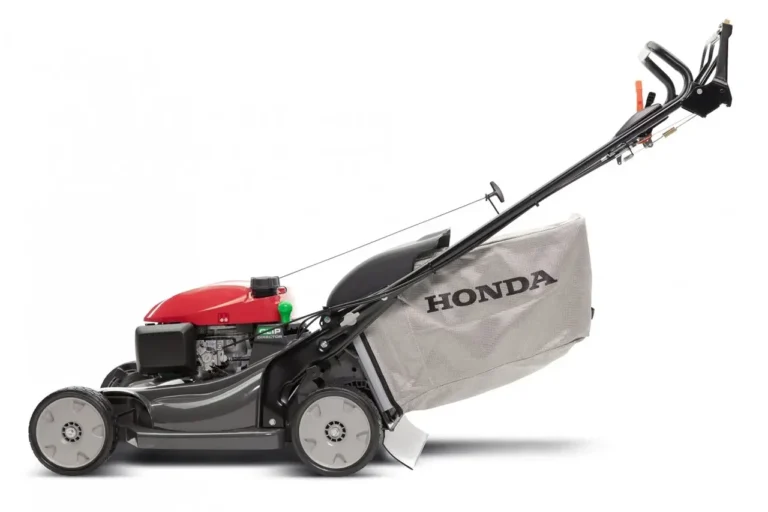
A replacement grass bag needs more than the right fabric size. The bag’s frame, upper lip, door contact, discharge opening, and support hooks must line up so clippings enter the bag instead of spilling around the housing.
A mulch plug needs to sit firmly in the discharge opening and seal the path closely enough to keep clippings inside the deck. A loose plug can rattle, fall out, or change the mower’s discharge behavior, while a plug made for another deck may not sit safely.
Blade selection deserves extra care. A blade’s length, center hole, outer hole pattern, lift profile, thickness, and rotation direction all matter. If you need help comparing model-matched options, the guide to Honda mower blade sets belongs near the top of your shopping list.
Replacement cables and levers also have hidden differences. The outer cable length, inner wire travel, handle mounting style, and connection at the engine or transmission must match. A cable that is only an inch too long can loop into the handle, rub against the deck, or fail to pull a control far enough.
Which accessories solve real mowing problems?
The most useful accessory is the one that fixes a repeated annoyance. A bag helps when clippings must stay off sidewalks, a mulch plug helps when you want fine clippings returned to the lawn, and a side-discharge component helps when the grass is too tall or damp for clean mulching.
A mulching blade has a shape that keeps clippings circulating longer under the deck. That extra cutting action can produce smaller pieces, but the result still depends on mowing height, grass moisture, engine speed, and how much grass is removed at once.
A side-discharge chute directs clippings away from the deck. It works well in areas where clippings can remain on the lawn, yet it’s a poor choice near flower beds, parked cars, roads, or freshly cleaned walkways.
A grass catcher collects clippings for a tidy finish. A catcher that fills too quickly may point to wet grass, a packed deck, a clogged bag, a dull blade, or mowing too low, not necessarily a bad accessory.
Pro Tip: Take a photo of the mower label and the accessory mounting area before shopping. The photo can prevent a rushed order when several versions share the same brand name.
The most sensible starter setup for many owners includes a correctly matched bag or mulch plug, one spare blade, a mower cover, a cleaning brush, and basic engine-care supplies. Add a replacement cable or wheel only when the original part shows wear or damage.
Choosing Honda Mower Accessories by Job
Honda mower accessories make the most sense when grouped by the job they perform: cutting, collecting, cleaning, protecting, maintaining, or improving comfort. This approach keeps you from buying a pile of parts that never leave the shelf.
Cutting and grass-handling accessories
Cutting accessories affect lawn finish, discharge control, and the workload placed on the engine. A standard blade is a good fit for routine mowing, while a mulching blade suits a lawn where clippings can remain and the grass is cut often.
A high-lift blade creates stronger airflow toward a catcher, though the extra lift can increase dust and engine load in dry conditions. A low-lift style may use less power but can leave more clippings behind when the bagging system needs strong airflow.
Blade adapters, washers, and stiffening plates deserve attention during replacement. The blade must sit flat against the adapter, the retaining hardware must match the shaft, and the blade must rotate in the intended direction. Never stack random washers to make a loose blade fit.
The phrase best Honda walk-behind mower can point shoppers toward model comparisons, but a newer or more powerful mower won’t solve a blade-fit problem on an existing machine. Fit and cutting purpose still come first.
Grass bags vary by capacity, fabric weave, frame style, and discharge-door shape. A porous bag lets air pass through while holding clippings, but a bag clogged with fine dust acts like a sealed sack and reduces airflow.
Empty the catcher before it becomes a heavy, sagging load. A full bag can make the mower harder to push, and the extra weight can stress the frame or door latch when you drag the machine across a driveway.
Maintenance and engine-care accessories
Maintenance accessories protect starting performance and cut down on avoidable service calls. Common supplies include the correct engine oil, air filters, spark plugs, fuel-system items, drain tools, and a small container for used oil.
Oil choice depends on the engine manual, outside temperature, and the oil specification listed for that engine. The phrase oil for Honda lawn mowers is useful during research, but the mower’s own manual and oil-fill label should settle the final choice.
Check the oil level on level ground with the engine stopped. Overfilling can cause smoking, difficult starting, or oil entering places where it doesn’t belong, while low oil can increase engine wear.
A spare air filter is a cheap accessory that earns its space. Dust-restricted airflow can make the engine run poorly, and a foam pre-filter, where fitted, needs the cleaning and oiling method specified for that mower.
A tune-up kit may combine a spark plug, air filter, fuel filter, or other service parts. The phrase Honda mower tune-up kit helps narrow the search, but engine code and mower model still matter because kits are not automatically interchangeable.
I once serviced a mower with a plug that looked close enough to the original. The engine ran rough, the wrench felt wrong on the hex, and I had to stop before rounding the part. The lesson was plain: matching the engine code beats guessing from appearance every single time.
Cleaning, storage, and protection
A mower cover protects against dust, sunlight, and light moisture during storage, but a cover can trap damp grass if you put it on immediately after mowing. Let the machine cool and dry first, then cover it in a dry, ventilated area.
A deck-cleaning brush removes packed grass without putting your fingers near the blade. Avoid spraying water directly at the air cleaner, carburetor area, electrical connections, or muffler opening.
A fuel-safe container, small funnel, rags, and a stiff nylon brush form a useful maintenance corner. Keep fuel and oily rags away from flames, pilot lights, cigarettes, and hot engine parts.
Storage accessories can include handle locks, wall hooks, wheel chocks, and folding-handle supports. Any wall storage system must hold the mower’s actual weight and keep the blade and fuel system in a safe position recommended by the mower manual.
Comfort and control accessories
Comfort items include padded handle covers, replacement grips, control levers, and sometimes height-adjustment hardware. These parts sound minor, yet a damaged grip or sticky bail control can turn a normal mowing session into a wrestling match.
A handle cover should not interfere with the operator-presence control, the bar that must be held for the blade to run. Never tape a control in place, tie down a safety bar, or alter a stop mechanism to make mowing easier.
Wheel height parts can improve handling on uneven lawns, but they must match the wheel mount and adjustment system. A loose wheel can make the deck cut at an uneven angle and can throw the mower off balance on a slope.
Accessory comparison table
| Accessory | Main job | Check before buying | Common mistake |
|---|---|---|---|
| Replacement blade | Cuts grass or improves mulching | Length, center hole, outer holes, lift, thickness, rotation | Matching only the deck width |
| Grass catcher | Collects clippings | Frame, hooks, door shape, bag opening, capacity | Buying a bag without its frame |
| Mulch plug | Closes discharge opening | Deck design, latch, sealing edge, mower model | Using a loose universal plug |
| Side-discharge chute | Directs clippings away | Opening shape, hinge points, deflector fit | Assuming every 21-inch deck matches |
| Oil and filter supplies | Supports engine service | Engine code, manual, oil grade, filter size | Overfilling or mixing unknown parts |
| Mower cover | Limits dust and storage grime | Mower dimensions, ventilation, fabric quality | Covering a wet mower |
| Replacement cable | Restores control travel | Cable length, ends, routing, control type | Matching only the handle style |
| Cleaning brush | Removes packed grass | Stiff nylon bristles, comfortable handle | Reaching under the deck with hands |
Genuine, Aftermarket, and Universal Accessories
Genuine Honda accessories are made for listed mower families and usually offer the clearest fit information. Aftermarket accessories can cost less and work well, but quality varies by material, dimensions, hardware, and the accuracy of the fit chart.
Universal accessories offer convenience when a mower has a common size or simple attachment point. A universal cover or brush is usually less risky than a universal blade, cable, mulch plug, or safety-control part.
Honda lawn mower parts should be matched by model and serial information whenever the part affects cutting, engine operation, or operator safety. The guide to Honda mower parts by model is especially useful when a part number has changed or a mower has several production versions.
A product listing should give more than a broad statement such as “fits most Honda mowers.” Look for a specific model list, dimensions, mounting details, included hardware, and clear photos of the connection points.
Ask yourself, “Will this accessory attach to the mower, or will it change how the mower operates?” A cover that fits a little loosely may still work, while a blade or control cable with the wrong dimensions can create a real hazard.
What to inspect before ordering
Check these details in the product description and compare them with the mower:
- Exact mower model and serial range.
- Engine model or engine family.
- Deck width and discharge opening.
- Mounting holes, hooks, tabs, and brackets.
- Part number, superseded part number, or revision.
- Included bolts, washers, adapters, or spacers.
- Return policy for opened or installed parts.
- Customer photos showing the actual attachment point.
A seller’s photo can help, but photos often hide the underside, hardware, or frame shape. A detailed fit chart is worth more than a perfect-looking product image.
Important Tip: Never assume a Honda engine means the accessory fits a Honda mower. Honda engines have appeared on equipment made by different manufacturers, and mower decks, bags, cables, and controls can differ.
When aftermarket makes sense
Aftermarket bags, covers, brushes, storage hooks, and some filters can be practical purchases when the dimensions and fit details are clear. I’d choose genuine or model-specific parts for blades, safety cables, control hardware, and unusual brackets because those parts need reliable fit and proper operation.
An aftermarket blade needs a trustworthy material description, accurate hole pattern, and clear balance information. Reject a blade with burrs, bent edges, poor finishing, or vague compatibility claims.
A universal grass bag can work only when the frame and discharge geometry already match. If the catcher hangs from a specific door or frame, a loose substitute can let clippings escape into the operator’s path.
When genuine parts are worth the extra cost
Genuine parts make more sense when the mower is newer, the part is hard to identify, or the accessory attaches to a safety system. A genuine replacement can also save time when a mower has an unusual deck, drive system, or control layout.
Price matters, but downtime matters too. A cheap part that needs drilling, bending, or repeated adjustment may cost more in frustration than a properly matched part that installs once.
Safe Installation and Care
Safe accessory installation starts with the engine off, the spark plug wire disconnected, and the blade fully stopped. Remove the ignition key if the mower has one, wait for hot surfaces to cool, and keep fuel away from sparks while working.
Before turning the mower over, follow the mower manual’s approved position. Some machines should not be tipped toward the air cleaner or carburetor because oil or fuel can move into areas that cause hard starting or smoke.
Wear work gloves for handling the blade, but don’t treat gloves as permission to touch a blade carelessly. A sharp edge can cut through a thin glove, so control the blade by its solid center section and keep fingers away from the cutting edge.
Installing a replacement blade
- Disconnect the spark plug wire and secure it away from the plug.
- Drain or manage fuel only if the manual calls for it before tipping the mower.
- Support the mower so it cannot roll or fall.
- Remove the blade bolt with the correct socket.
- Compare the new blade with the old one before installation.
- Confirm the cutting edge faces the correct direction.
- Fit the blade adapter and hardware in the original order.
- Tighten the bolt to the manual’s specification.
- Rotate the blade by hand with the spark plug wire still disconnected.
- Reconnect the wire only after every tool is clear.
Don’t use an impact wrench by feel on a blade bolt unless the manual or service information allows it. Excessive force can damage threads, while too little force can let the blade loosen.
A blade should rotate smoothly without wobble or scraping. If the blade sits off-center, stop and inspect the adapter, holes, washers, and mounting surface instead of trying to bend the blade into place.
Installing a bag, plug, or chute
Keep the engine off while fitting a catcher or discharge part. Confirm that the discharge door closes correctly, the plug sits firmly, and no fabric or bracket can enter the blade area.
After installation, push the mower slowly across a clear patch with the engine still off. Check for rubbing, rattling, loose hardware, or a door that springs open. A short dry run can prevent a messy surprise once grass starts flying.
Cleaning after use
Brush loose grass from the deck, wheels, chute, and bag frame after the mower cools. Packed clippings hold moisture against metal and can make the next mowing session harder.
Empty and dry a grass bag before storage. If the bag smells sour or feels heavy from damp residue, wash it only in the way its material allows and let it dry fully before covering the mower.
Inspect the blade at regular intervals for bends, cracks, heavy nicks, or a rounded cutting edge. A damaged blade needs replacement, not a quick touch with a file.
Pro Tip: Mark a small storage bin with the mower model code and keep the spare blade, plug, spark plug, and owner’s manual together. Future shopping gets much easier when the key information is in one place.
Building A Sensible Accessory Kit
A useful accessory kit starts with the parts that prevent interruptions. You don’t need every attachment sold under the Honda name, and a crowded shelf can make basic maintenance harder.
A practical first kit
Start with:
- One correctly matched replacement blade.
- One grass bag or mulch plug that suits your mowing style.
- The specified oil and a clean oil container.
- A spare air filter or spark plug when service timing calls for one.
- A stiff nylon cleaning brush.
- A fitted cover for dry storage.
- Work gloves and basic hand tools.
- A labeled bin for mower-specific hardware.
Add a second blade only if the first blade can be stored safely and sharpened or replaced on a regular schedule. Spare parts are helpful when they solve a likely delay, not when they simply look like a bargain.
A homeowner who bags most clippings may value a spare catcher more than a side-discharge chute. Someone who mulches often may get more from a second model-matched blade and a deck-cleaning routine.
Matching accessories to mowing habits
| Your mowing habit | Accessories that help most | Items that may not earn their space |
|---|---|---|
| Bagging every cut | Spare bag, correct blade, bag-cleaning brush | Large side-discharge chute |
| Mulching regularly | Mulch plug, mulching blade, deck brush | Oversized catcher |
| Cutting tall grass | Side-discharge part, standard blade, protective glasses | Forcing wet grass through a mulch setup |
| Small, tidy lawn | Cover, brush, basic service supplies | Several specialty attachments |
| Dusty or dry lawn | Air-filter supplies, cleaning brush, eye protection | Loose fabric accessories |
| Sloped property | Sound wheels, control cable, stable handle grips | Unapproved handle alterations |
Mowing height also changes accessory performance. Removing too much grass at once can overload the engine, leave clumps, and fill a bag quickly, even when every accessory fits correctly.
Wet grass creates another trap. Clippings stick under the deck, airflow drops, and a catcher can clog quickly, so changing the accessory may not fix the real problem.
Troubleshooting common accessory problems
| Problem | Likely cause | First safe check |
|---|---|---|
| Bag fills slowly | Clogged fabric, wet grass, dull blade | Clean and dry the bag, then inspect airflow |
| Clippings spill from the side | Wrong bag, loose frame, open door | Check hooks, frame, and discharge door |
| Mulch plug rattles | Wrong plug or worn latch | Stop the engine and compare the plug shape |
| Mower vibrates after blade change | Bent blade, wrong adapter, poor seating | Disconnect the plug wire and inspect mounting |
| Cable feels loose | Wrong length or bad routing | Compare cable travel with the original |
| Engine smokes after service | Oil overfill or tipped mower | Stop running and check oil level and position |
| Cover traps moisture | Mower covered while damp | Remove cover and dry the machine fully |
If a new accessory causes vibration, control problems, or unusual noise, stop using the mower. A fitting problem is easier to solve before a loose part damages the deck or hurts someone nearby.
If the mower still behaves poorly after the accessory is removed, the cause may be a mechanical or engine problem. A qualified mower technician is the safer choice for a bent crankshaft, damaged blade adapter, fuel leak, failed safety control, or electrical fault.
Important Tip: Never modify a blade, discharge guard, safety bar, or control cable with drilling, cutting, tying, or homemade spacers. The mower’s safety behavior can change in a way that isn’t obvious from the handle.
Key Takeaways:
- Match accessories by mower model, serial range, engine, deck, and attachment points.
- Treat blades, cables, mulch plugs, and safety parts as model-specific components.
- Use genuine or clearly model-matched parts where fit and control matter most.
- Start with one useful solution instead of buying every attachment at once.
FAQs About Honda Lawn Mower Accessories
What Honda lawn mower accessories are most useful?
The most useful Honda lawn mower accessories are a model-matched blade, grass catcher or mulch plug, cleaning brush, mower cover, and engine-care supplies. Add cables, wheels, or specialty chutes only when the original part is worn or your mowing method calls for a different setup.
Do Honda lawn mower accessories fit every Honda mower?
No, Honda lawn mower accessories don’t fit every Honda mower. Model code, serial range, deck design, engine version, mounting points, and production changes can affect fit, so a 21-inch deck or Honda engine label isn’t enough to confirm compatibility.
How do I find the right Honda mower blade?
Find the right Honda mower blade by recording the mower model and serial information, then checking blade length, center hole, outer holes, thickness, lift shape, and rotation direction. The old blade should serve as a comparison only, because wear or a past replacement may make visual matching unreliable.
Is a universal grass catcher safe for a Honda mower?
A universal grass catcher is safe only when the frame, hooks, discharge opening, door, and blade clearance match the mower. A loose catcher can spill clippings or move toward the blade, so stop using the mower if the bag sags, rubs, or fails to latch.
Should I buy genuine Honda parts or aftermarket accessories?
Genuine Honda parts are usually the safer choice for blades, control cables, safety hardware, and unusual brackets. Aftermarket accessories can be reasonable for covers, brushes, storage items, and clearly matched filters when the seller provides exact dimensions and a reliable model fit list.
Can accessories improve Honda mower performance?
Accessories can improve Honda mower performance indirectly by restoring proper airflow, cutting action, discharge control, or maintenance condition. A correct blade and clean bag can help the mower handle grass better, but an accessory won’t cure low engine power caused by fuel trouble, mechanical wear, or a restricted air filter.
Buy Fewer Accessories, but Match Them Better
Honda lawn mower accessories are worth buying when they solve a specific problem and fit the exact mower in your garage. A correctly matched blade, bag, mulch plug, cover, and maintenance kit can make mowing calmer and cleaner, while a random attachment can create vibration, poor discharge, or a frustrating return.
My practical advice is to photograph the mower label, write down the model and serial information, and buy one accessory that fixes your biggest annoyance first. That small habit protects your money, keeps installation simple, and gives you a setup that works instead of a shelf full of guesses.