Honda Lawn Mower Won’t Start: A Model-Based Diagnostic Guide
A Honda mower that won’t start usually has a fuel, spark, flooding, mechanical, or starter problem. The fastest fix comes from matching the symptom to the right system before buying parts.
Did the engine crank normally but never catch, or does the pull cord stop like it hit a brick wall? Is your electric-start Honda silent, clicking, or spinning without turning the engine?
I once chased a no-start problem by cleaning a carburetor that wasn’t dirty. The real culprit was stale fuel blocking the small passage into the bowl, and I lost a hot afternoon chasing the wrong repair. That mistake is common, not dumb.
I wrote this guide for anyone standing beside a Honda mower with a half-cut lawn, a sore arm, and no desire to swap random parts. You’ll get a clear path from the mower’s model and symptoms to the repair that makes sense.
A proper diagnosis can save you a carburetor purchase, prevent repeated pull-cord work, and reduce the chance of flooding the cylinder. Skip the basic checks, and a simple empty tank or closed control can look like a major engine failure.
This guide takes about four minutes to read, and it will help you:
- Separate fuel starvation from flooding.
- Check spark and engine-control positions in the right order.
- Tell normal cranking from mechanical resistance.
- Choose a repair path based on the mower’s exact symptom.
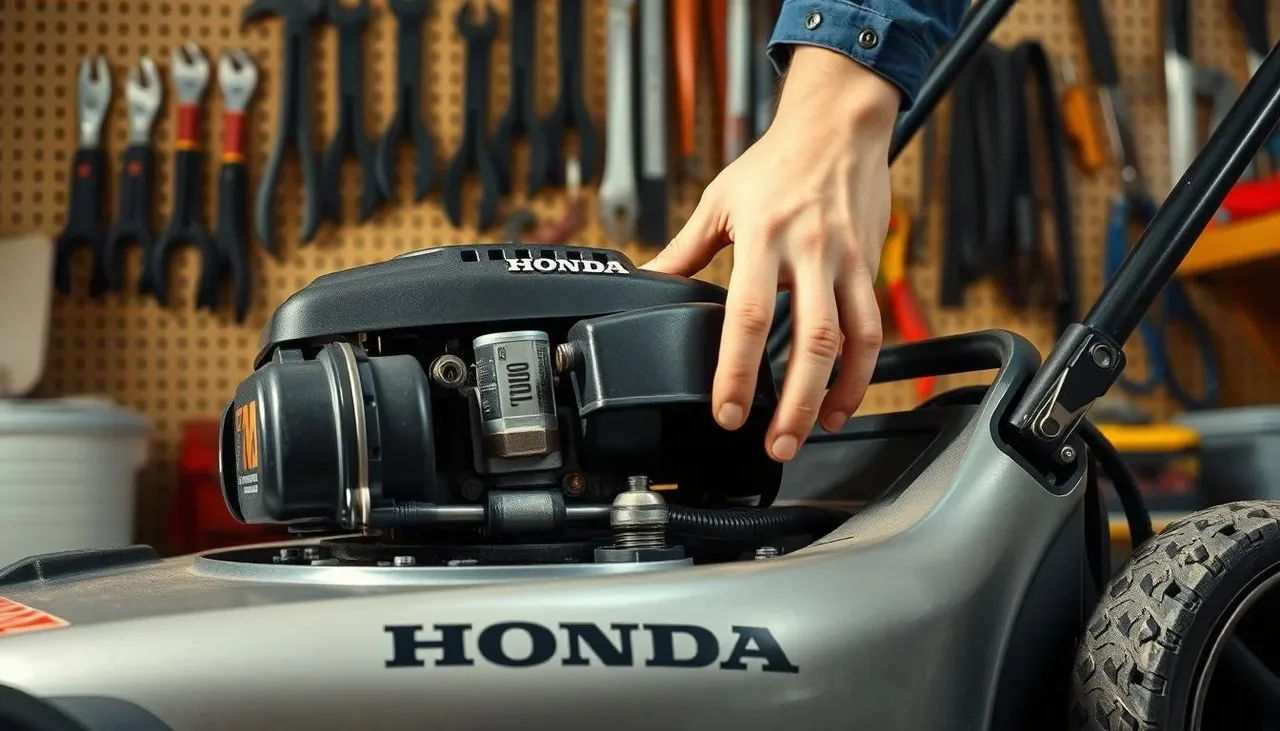
Honda Lawn Mower Won’T Start: Identify the Failure Before Replacing Parts
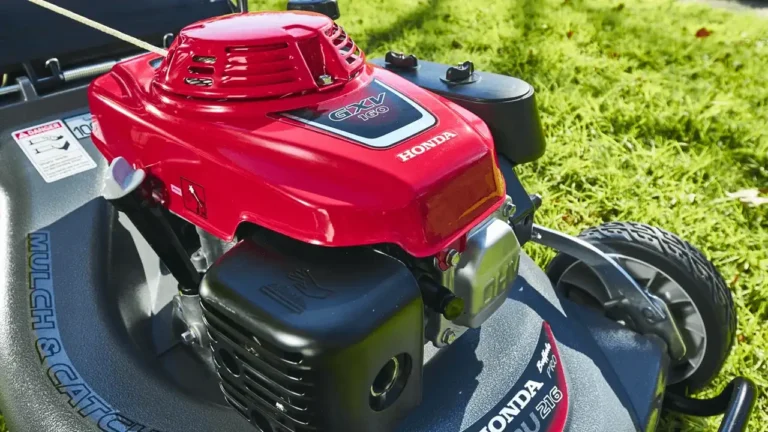
A Honda mower that won’t start should be checked in this order: safety controls, fuel condition, control positions, spark plug, cranking behavior, and starter operation. The engine model matters because Honda mowers may use different choke controls, fuel shutoffs, battery systems, and engine layouts.
Start on level ground with the blade area clear, the spark plug wire removed when working near the blade or plug, and the ignition key removed on electric-start models. Never put your hands near the blade while testing an engine, even if the mower appears dead.
Use this quick branch:
| What happens when you try to start | Most likely area | First check |
|---|---|---|
| Pull cord moves normally, engine never catches | Fuel or ignition | Fresh fuel and spark plug |
| Pull cord is unusually hard | Blade, brake, cylinder, or debris | Disconnect plug wire and inspect safely |
| Engine starts, then dies | Fuel flow, choke, or carburetor | Fuel valve and choke position |
| Engine smells strongly of gasoline | Flooded cylinder | Stop adding fuel and let it clear |
| Electric starter clicks or stays silent | Battery, cable, switch, or starter | Battery charge and connections |
| Engine cranks but sounds unusually fast | Compression or valve timing | Stop repeated starting attempts |
Check the engine-control positions before touching a tool. Set the throttle or choke to the starting position shown on the mower decal, hold the operator-presence bar firmly against the handle, and confirm the fuel shutoff is open if the model has one.
Fuel older than a few weeks can cause trouble, especially after sitting through a season in a vented mower tank. Drain questionable fuel into an approved container and add fresh gasoline that matches the engine manual.
Next, remove the spark plug and inspect its condition. A dry plug points toward missing fuel, while a wet plug often means the cylinder is flooded or the engine has received too much fuel.
A quick spark check can help, but keep the plug threaded into its boot and hold the metal shell against bare engine metal only if the mower’s instructions allow that test. Keep gasoline vapors away from the spark, and stop if fuel is dripping around the engine.
Does the engine crank at a steady speed? A normal pull should turn the engine through repeated compression strokes, while an electric starter should sound even rather than clicking, grinding, or racing. If the cord suddenly gets tight at one spot, stop pulling and inspect for blade interference, packed grass, or a mechanical fault.
For a wider symptom path, Honda Lawn Mower Troubleshooting can help organize the same fuel, ignition, and mechanical checks by what the mower does. In this guide, the next step depends on whether the plug is dry, wet, or showing a strong spark.
- A dry plug usually sends you toward fuel delivery.
- A wet plug points toward flooding or weak ignition.
- A hard cord needs a mechanical check before more starting attempts.
- A silent electric starter needs battery and control checks first.
I once kept pulling a cord on a mower that had a clump of wet grass packed under the deck. The blade could barely move, and each pull made the starter feel worse until I removed the plug wire and cleared the deck safely. A hard pull is a warning, not an invitation to use more muscle.
Honda Mower Is Not Getting Fuel: Carburetor and Fuel-System Checks
A Honda mower with fuel starvation usually has a dry spark plug, no fuel reaching the carburetor bowl, or a blocked passage inside the carburetor. Check fuel flow from the tank toward the engine before removing the carburetor.
First, confirm the tank contains fresh fuel and that the fuel cap vent is not blocked. A loose cap test can point toward a venting problem, but replace the cap if the mower manual identifies it as a required part.
Then inspect the fuel path in order:
- Check the tank outlet for dirt, varnish, or a collapsed screen.
- Inspect the fuel line for cracks, soft spots, kinks, and pinched sections.
- Check the inline filter direction and condition.
- Open the fuel shutoff valve, if fitted.
- Confirm fuel reaches the carburetor inlet.
- Inspect the bowl, float, needle, and main jet only after the outside checks pass.
Wear fuel-resistant gloves and work outdoors or in a well-ventilated area before opening the fuel system. Keep cigarettes, heaters, extension-cord sparks, and other ignition sources away from spilled gasoline.
A restricted line often leaves the carburetor bowl nearly empty, while a stuck float needle can stop fuel from entering at all. If fuel reaches the bowl but the engine still has a dry plug, the main jet, the small calibrated passage that meters fuel into the engine, may be blocked.
Fuel starvation and flooding can look similar after several failed starts, but the plug tells a useful story. Fuel starvation leaves the plug dry, while flooding leaves it wet and often creates a strong gasoline smell near the muffler or air filter.
Before cleaning a carburetor, check the air filter and choke position. A choke stuck closed can make the engine act flooded, while a missing or badly damaged air filter can upset the air-fuel mixture and let debris enter the carburetor.
If fuel pours from the carburetor or air-filter housing, stop cranking and close the fuel valve. The float or needle may be stuck, and gasoline can run into the cylinder or dilute the engine oil.
The shortest path is simple: dry plug means trace fuel flow, wet plug means stop adding fuel, and fuel in the bowl with no response means inspect the jet and ignition next. That keeps a small blockage from turning into an unnecessary carburetor replacement.
Honda Lawn Mower Won’T Start: No Spark on a Honda Lawn Mower
A Honda lawn mower with no spark usually has a bad spark plug, ignition coil, stop-switch circuit, incorrect coil gap, or a damaged flywheel key. Confirm the missing spark with a tester before buying parts, because a replacement coil won’t fix a grounded safety switch or a sheared key.
Pull the spark plug boot off first, then remove the plug and connect the plug wire to a spark tester. Ground the tester against clean engine metal, keep your hands away from the tester gap, and crank the engine with the mower controls held in their normal starting position. A bright blue snap shows usable ignition; no visible spark means the ignition circuit needs testing.
If you don’t have a tester, hold the threaded metal body of the plug firmly against bare engine metal while pulling the starter. This method can work, but a tester is safer and easier to judge, especially in bright sunlight.
Before testing the coil, install a known-good spark plug with the correct plug gap for your engine model. A cracked insulator, fouled electrode, or wrong gap can mimic a bad coil. Don’t guess the gap from a different Honda engine, because mower engines can use different specifications.
Remove the engine shroud only after the spark plug wire is disconnected and the blade has stopped completely. The stop-switch circuit grounds the coil to shut the engine off, so a pinched wire, damaged insulation, or failed bail-control switch can kill spark even when the coil itself is healthy.
A basic resistance check can help, but it isn’t a final verdict. Set a multimeter to resistance, disconnect the coil wire from the stop-switch circuit, and check the primary and secondary windings according to the engine service information. An open circuit, a dead short, or a reading far outside the specified range points toward a failed coil, while a normal reading doesn’t guarantee that the coil works under operating conditions.
The flywheel key deserves attention if the mower suddenly lost spark after the blade hit a stump, rock, or thick hidden object. A partly sheared key can shift ignition timing, making the engine seem dead or cause a weak, badly timed spark. Remove the flywheel only with the proper puller when the engine design requires it, since prying against the flywheel can damage the crankshaft or magnets.
The coil air gap is the small space between the coil legs and flywheel magnet. A common service range is roughly 0.010 to 0.014 inch, but the exact setting depends on the Honda engine family. A thin nonmetallic spacer can help set the gap, then tightening the coil while the magnet pulls it into place gives a clean, even clearance.
Is a coil replacement justified after one failed spark test? No, not by itself. First confirm the plug, stop-switch wire, flywheel key, coil mounting, and air gap, because a new coil is wasted money if the shutoff circuit is grounding the ignition.
- Use a spark tester before condemning the ignition coil.
- Check the plug, stop-switch circuit, flywheel key, and coil air gap.
- Replace the coil only after simple causes have been ruled out.
Flooded Honda Lawn Mower: Clear Excess Fuel and Restart Safely
A flooded Honda lawn mower has too much gasoline in the cylinder for the available air and spark. Repeated priming, a wet spark plug, a strong fuel smell, black exhaust smoke, or an engine that briefly fires and dies all point toward excess fuel.
Stop pressing the primer bulb and move the choke to the run position. Continuing to prime adds more gasoline, and pulling the starter again and again can wash oil from the cylinder wall or fill the crankcase with fuel.
Before handling the plug, work outdoors or in a well-ventilated area away from cigarettes, pilot lights, hot mufflers, and electrical sparks. Gasoline vapors can ignite quickly, so keep the mower stable and let the engine cool if the muffler is hot.
- Disconnect the spark plug wire and remove the plug.
- Inspect the electrode. A wet plug can be dried with a clean rag and allowed to air out, though a badly fouled plug is often better replaced.
- With the plug removed and the wire secured away from the plug hole, pull the starter several times to clear vapor from the cylinder.
- Reinstall a dry or new plug, reconnect the wire, and set the control to run without using the primer.
- Pull the starter in steady strokes until the engine begins firing, then adjust the choke gradually.
If the mower starts and smokes briefly, give it a short period to clear the excess fuel. Don’t keep pulling if gasoline continues dripping from the carburetor, air-filter housing, or muffler area.
A leaking float or needle valve can flood the engine even when you prime correctly. Fuel may keep entering the carburetor bowl after the engine stops, causing a wet plug, fuel odor, hard starting, or gasoline mixed into the crankcase oil. Check the oil level and smell; oil that has become noticeably thin or smells strongly of gasoline should be changed before running the mower again.
Pro Tip: If flooding returns after a dry plug and correct starting attempt, stop chasing the spark. The carburetor’s needle valve, float, or fuel shutoff system needs inspection, and repeated cranking can turn a small fuel problem into engine wear.
Honda Mower Pull Cord Is Hard to Pull: Mechanical Causes Before Starting Repairs
A hard pull cord usually means the blade, recoil starter, brake system, or engine is creating too much resistance. Start with external checks before removing covers or turning the blade, because a stuck blade can move suddenly and cause a serious hand injury.
Remove the spark-plug wire and secure it away from the plug before touching the blade, clearing grass, or inspecting the underside. Wear gloves, keep your fingers clear of the blade edge, and never rely on the ignition switch alone to prevent starting.
Start with the mower on a level surface, then check these causes in order:
- Blade obstruction: A stick, thick grass mat, wire, or stone can wedge between the blade and deck. A bent blade may also scrape the deck and make the cord feel nearly locked.
- Debris under the deck: Packed wet grass can press against the blade. Clear only from the side with a tool, not your hand, and avoid lifting the mower in a way that lets fuel run toward the air filter or muffler.
- Blade brake engagement: Many Honda walk-behind mowers use a flywheel brake that stops the engine when you release the control bar. A damaged cable, tight brake arm, or stuck mechanism can keep the brake engaged and make the recoil feel unusually heavy.
- Recoil starter damage: A frayed rope, broken recoil spring, cracked pulley, or rope wound incorrectly can bind inside the starter housing. The handle may move a few inches, stop sharply, or snap back with a rough grinding sound.
- Compression-release trouble: A small engine normally releases some cylinder pressure during cranking. If that system fails, the cord can become hard to pull at the same point in every revolution, especially on a cold engine.
- Engine seizure: Low oil, contaminated oil, severe overheating, or internal damage can stop the crankshaft from turning. A seized engine usually gives a solid stop instead of the springy resistance of a normal compression stroke.
If the cord is hard only with the blade engaged, inspect the blade and deck first. If the cord stays hard with the blade removed or disconnected from the crankshaft, the problem has moved closer to the recoil, brake, or engine.
Could a full grass bag or clogged discharge chute cause the cord to lock? Usually not by itself, but packed material can jam the blade and create the same symptom, so clear the underside before blaming the engine.
Try pulling the cord slowly after the spark-plug wire is disconnected. A normal engine has changing resistance as the piston moves through compression, while a mechanical bind feels rough, abrupt, or locked in one spot.
My preference is to stop after the first abnormal resistance instead of giving the cord a harder yank. A stronger pull can break the recoil spring, pull the handle loose, or turn a small blade obstruction into a damaged starter housing.
Important Tip: If the blade moves only with force, the engine stops at one exact position, or metal-on-metal noise comes from under the deck, don’t keep testing the mower. A repair shop should inspect the blade carrier, crankshaft, brake, and internal engine parts.
A mower with a hard cord may still have a separate no-start problem. Fix the mechanical resistance first, then return to fuel, spark, and air checks, because a strong ignition spark cannot start an engine that cannot crank at normal speed.
Electric-Start Honda Mower Will Not Start: Battery, Starter, and Final Repair Plan
An electric-start Honda mower that clicks, cranks slowly, or does nothing needs a battery-and-circuit test before starter replacement. The sound matters: a single click points toward power delivery or the solenoid, slow cranking points toward low voltage or engine resistance, and silence points toward a switch, fuse, interlock, cable, or dead battery.
Before testing or removing electrical parts, disconnect the charger and keep the spark-plug wire away from the plug. Never bridge battery terminals or a solenoid with a screwdriver, since sparks near gasoline vapors can start a fire.
Use the symptom to narrow the search:
| What happens when you turn the key | Likely area | First useful check |
|---|---|---|
| Nothing happens | Battery, fuse, key switch, interlock, cable | Check battery connection and fuse |
| One solid click | Solenoid or weak battery | Test battery voltage under load |
| Rapid clicking | Low battery or poor terminal contact | Clean and tighten both terminals |
| Starter turns slowly | Weak battery, bad cable, starter drag, engine resistance | Charge and retest, then inspect cables |
| Starter spins but engine does not crank | Starter gear or ring gear | Inspect engagement parts |
| Engine cranks normally but won’t fire | Fuel, spark, air, or safety control | Return to the basic engine checks |
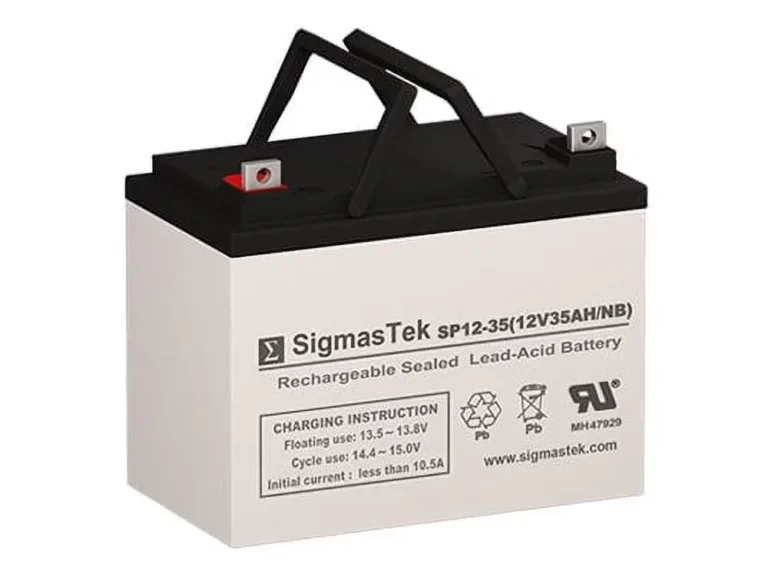
Begin at the battery terminals. A white or green crust adds resistance, and a loose ground cable can make a charged battery act dead. Disconnect the negative cable first, clean the contact surfaces, reconnect the positive cable, then the negative cable, and tighten both connections without crushing the terminals.
A battery can show acceptable voltage at rest and still collapse when the starter draws current. Charge it with the mower manufacturer’s approved charger, then test again while cranking; a large voltage drop means the battery or cable circuit needs attention.
The starter solenoid is an electrically controlled switch that sends battery power to the starter motor. If the solenoid clicks but the starter does not turn, test the battery and cable connections before condemning the solenoid, since a weak ground can create the same noise.
A blown fuse often means the fuse protected the circuit from an overload or short. Replace a fuse only with the same rating, and stop if the replacement fails again, because repeated fuse changes can hide a damaged wire or failing starter.
Safety switches can block starting when the control bar, brake, clutch, or transmission control is in the wrong position. Don’t bypass an interlock for mowing, even as a quick test, because the switch may be the part that prevents the blade from turning when you release the handle.
If the starter turns the engine slowly after the battery and cables pass inspection, check for the same mechanical resistance covered above. A dragging brake, tight blade, damaged starter gear, or engine with low oil can overload the starter and make a good battery look weak.
A model-specific repair plan keeps you from buying a drawer full of parts:
- Find the engine model and code on the engine label, not just the mower deck name.
- Match the battery, spark plug, air filter, starter parts, and fuse to that engine and mower configuration.
- Test the existing part before replacing it, unless damage is obvious.
- Install one part at a time, then crank the engine to confirm the result.
- Record the repair and service date so the next no-start problem has a clear starting point.
A tune-up kit makes sense when the mower has an old spark plug, dirty air filter, and overdue oil service, but a kit won’t repair a dead solenoid, seized starter, broken interlock, or damaged recoil. Generic kits can contain the wrong plug or filter, so match every component by engine model and code.
I’d choose a correctly matched kit over a bargain bundle with vague fitment. The small price difference is nothing compared with removing a filter that doesn’t seal or installing a plug with the wrong reach.
After the electrical repair, check the oil level, air filter, spark plug condition, and battery storage routine. Store the battery charged according to the mower instructions, keep terminals clean, and avoid leaving stale fuel in the carburetor during long storage.
FAQs About Honda Lawn Mower Won’T Start
Why is my Honda mower pull cord suddenly hard to pull?
A Honda mower pull cord can become hard to pull because of a blade obstruction, packed grass, engaged brake, damaged recoil spring, failed compression-release system, or seized engine. Disconnect the spark-plug wire first, then inspect the deck and blade from a safe position before testing deeper mechanical parts.
Can a bad battery make a Honda electric-start mower crank slowly?
Yes, a weak battery can make a Honda electric-start mower crank slowly or produce repeated clicking. Dirty terminals, a loose ground cable, a failing solenoid, or a dragging starter can create the same symptom, so charge the battery and inspect the complete cable circuit before buying a starter.
Should I replace the starter on a Honda mower that only clicks?
No, don’t replace the starter based on one click alone. Test the battery, clean both terminals, inspect the ground cable, and check the solenoid output first. A single click means the solenoid may be receiving control power but failing to send enough current through the starter circuit.
Can a safety switch stop an electric-start Honda mower?
Yes, a safety switch can stop an electric-start Honda mower from cranking when the control bar, brake, clutch, or transmission position isn’t correct. Keep every safety switch in service, because bypassing one can allow the blade or machine to operate when you release the control.
When should I buy a Honda mower tune-up kit?
Buy a Honda mower tune-up kit when routine service is due and the engine needs a matching spark plug, air filter, or related maintenance part. Match the kit to the engine model and code, since deck branding alone may not identify the correct filter or plug.
What does a seized Honda mower engine feel like?
A seized Honda mower engine usually feels locked or stops at one point with little movement from the recoil handle. Low oil, overheating, internal damage, or a solid obstruction can cause the symptom, so stop pulling and have the blade, crankshaft, and engine checked before further starting attempts.
The Repair Choice That Saves the Most Time
A Honda mower that won’t start is easier to fix when the pull resistance and electric-start symptoms are treated as separate clues. A hard cord calls for mechanical inspection, while a click or slow crank calls for battery, cable, solenoid, and starter testing.
Start with the safest external check, match replacement parts to the engine code, and stop when a test points to internal damage. That approach costs less than guessing, protects the starting system, and gives you a much better shot at a clean repair on the first try.