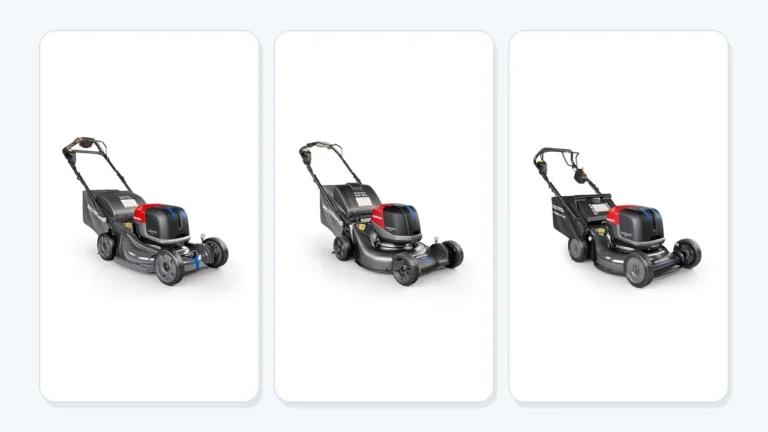
Honda Lawn Mower Comparisons: Series, Brands and Specific Models
Honda lawn mower comparisons come down to three things: the mower series, your yard size, and how much help you want from the drive system. A basic push mower suits a flat, small lawn, while a self-propelled HRN or HRX makes slopes, thick grass, and large yards much less tiring.
Are you trying to sort out HRN versus HRX, or are you stuck comparing Honda with Toro, EGO, Craftsman, or a gas mower from another brand? Do you need a mower that handles wet spring growth without leaving clumps, yet still fits in a garage without becoming a red-and-black tank?
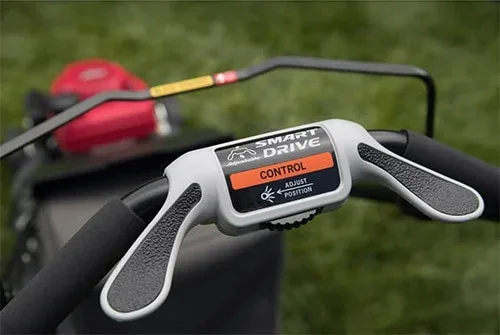
I once bought a mower with more drive features than my yard needed because the control panel looked clever under bright store lights. After a few cuts, I was dragging extra weight around a flat patch of grass and wishing I had spent the money on a better blade and a simpler setup. That’s a common mistake, not a dumb one.
I wrote this guide for homeowners who want a clear answer before spending several hundred dollars on a walk-behind mower. The goal is to compare the parts that change how a mower feels in real grass, not just repeat a list of engine names and marketing phrases.
Get the match right, and you’ll finish faster, use less effort, and leave a cleaner cut with fewer passes. Choose poorly, and you may fight a heavy deck, wrestle with a drive system, or pay for features that sit untouched all season.
This article takes about 14 minutes to read, and it gives you a practical path through the choices:
- Match HRN, HRX, HRR, and HRC traits to your lawn.
- Compare Honda with other mower brands on useful points.
- Judge gas and battery systems without getting lost in jargon.
- Spot the features that matter for slopes, clippings, storage, and repairs.
- Build a short buying checklist for a specific Honda mower.
Honda Lawn Mower Comparisons: the Best Match for Your Yard
Honda lawn mower comparisons are most useful when you start with the yard instead of the badge. Pick a push mower for a small, flat lawn, a self-propelled mower for slopes or bigger areas, and a battery mower when quiet operation and simple starting matter more than long runtime.
Honda walk-behind lines have traditionally covered different needs. The HRR series generally targets straightforward residential mowing, the HRN series adds newer residential features and a tougher deck design, the HRX series brings premium clipping management and drive controls, and the HRC series aims more at heavy-duty, frequent-use work.
A lawn around 2,000 to 4,000 square feet rarely needs the largest deck or the most advanced transmission. A yard near half an acre, filled with slopes and thick growth, can justify self-propulsion, larger rear wheels, stronger clipping control, and a design that tolerates longer cutting sessions.
Use this process before comparing model numbers:
- Measure the mowing problem. Note lawn size, slope, narrow gates, wet areas, roots, and how often grass gets tall.
- Choose push or self-propelled drive. Push models save weight and money on level ground, while self-propelled models reduce strain on hills and long runs.
- Pick gas or battery. Gas offers long cutting sessions with quick refueling, while battery power offers quieter starts and less routine engine work.
- Choose the deck and clipping method. A 21-inch deck is common for walk-behind mowers, but deck shape and discharge control matter as much as width.
- Check the controls and adjustment range. A mower that cuts well but feels awkward to steer can turn every Saturday morning into a chore.
- Confirm parts and service access. Blade availability, air filters, batteries, belts, and local repair support can matter more than one extra feature.
A variable-speed drive lets you set the mower’s travel speed instead of being locked into one pace. That helps when the lawn shifts from open turf to a tight garden edge, though it adds controls that need a little practice.
A mulching system cuts clippings into smaller pieces and returns them to the lawn. A mower with a good mulching design can save bagging time, but tall, wet grass still needs slower passes and a sharper blade.
| Yard condition | Better mower direction | Features worth paying attention to |
|---|---|---|
| Small, flat lawn | Push mower | Light weight, easy height adjustment, simple discharge |
| Medium lawn with mild slopes | Self-propelled residential mower | Variable speed, front or rear drive, larger rear wheels |
| Thick grass or delayed mowing | Strong gas mower | High airflow deck, side discharge, sturdy blade hardware |
| Quiet neighborhood or early mowing | Battery mower | Battery capacity, charger speed, runtime, brushless motor |
| Steep or uneven sections | Self-propelled mower | Rear-wheel traction, speed control, balanced handle |
| Frequent or demanding mowing | Heavy-duty walk-behind | Strong deck, serviceable parts, durable wheels and controls |
Pro Tip: Walk the route before buying. A narrow gate, raised tree root, or steep corner can matter more than a half-inch of deck width.
The best Honda mower isn’t automatically the most expensive Honda mower. A homeowner with a level suburban lawn may be happier with a lighter push model than with a premium self-propelled mower that costs more and takes more effort to store.
Honda Series Differences: HRN, HRX, HRR, and HRC
The Honda series comparison is easier when each line gets a job description. HRR is the simpler residential choice, HRN is a newer residential step up, HRX is the feature-rich option, and HRC is built around demanding use and stronger construction.
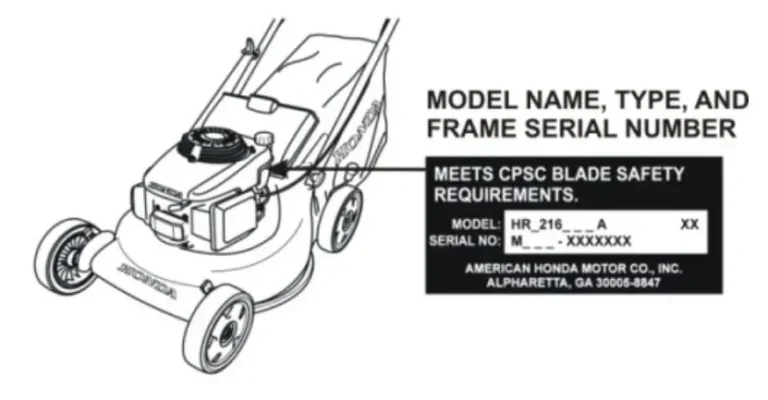
The Honda series comparison matters because model letters can blur together at a glance. The first two letters don’t tell you everything about deck design, drive type, clipping control, or whether a mower fits casual weekend mowing better than repeated commercial-style work.
HRR: Basic Residential Mowing
HRR models are generally aimed at homeowners who want familiar controls and a sensible price. A push HRR can make sense for a compact yard where you already do most of the work by hand.
The appeal is plain: fewer features can mean fewer adjustments, less weight, and a lower purchase cost. If the lawn is flat and you don’t need advanced clipping control, that simplicity may be just right.
HRN: A Modern Residential Step Up
HRN models are positioned as newer residential machines with features intended to improve handling, durability, and grass collection. They can suit a homeowner who wants a gas mower with more refinement than a basic push model.
Pay attention to the exact trim, because not every HRN has the same drive setup or control package. A self-propelled HRN may be a strong fit for a sloped yard, while a push version can work well for someone who wants a lighter machine.
HRX: Premium Clipping And Drive Features
HRX models are best known for more advanced clipping management and drive controls. The Versamow-style system, where fitted, allows you to change how clippings are bagged, mulched, or discharged without treating the mower like three separate machines.
The HRX line can be a good choice when you alternate between clean bagging near a patio and mulching across open turf. You’ll pay more, and the mower may feel heavier, so the extra control needs to match your habits.
HRC: Heavy-Duty Residential Or Professional Use
HRC models target buyers who care about rugged construction and repeated use. A property manager, landscaper, or homeowner with rough turf may value a durable deck and service-friendly layout more than a polished feature list.
HRC machines can be overkill for a tiny lawn. Heavy equipment feels reassuring in the showroom, but every pound has to be pushed, loaded, turned, and stored.
I once spent an afternoon diagnosing a cutting complaint that turned out to be a packed discharge opening, not a weak engine or bad blade. The mower was doing exactly what wet, overgrown grass asked it to do, which was clog the narrow path with green paste; the practical fix was cutting less at once and clearing the deck safely.
That experience is why I’d judge series by the work in front of the mower. A premium clipping system won’t rescue a lawn that’s cut too tall in one pass, and a heavy-duty deck won’t make a dull blade cut cleanly.
What The Series Names Don’t Tell You
Series names don’t reveal every feature that changes the buying decision. Check the exact model for:
- Push or self-propelled operation.
- Front-wheel, rear-wheel, or all-wheel drive.
- Deck material and deck shape.
- Number of cutting-height positions.
- Rear bag capacity and bag-emptying access.
- Blade-brake control, if fitted.
- Handle folding and storage position.
- Warranty terms and local service support.
Important Tip: Treat a model number as a starting point, not a full specification sheet. Two mowers in one family can feel very different if one has self-propulsion and the other does not.
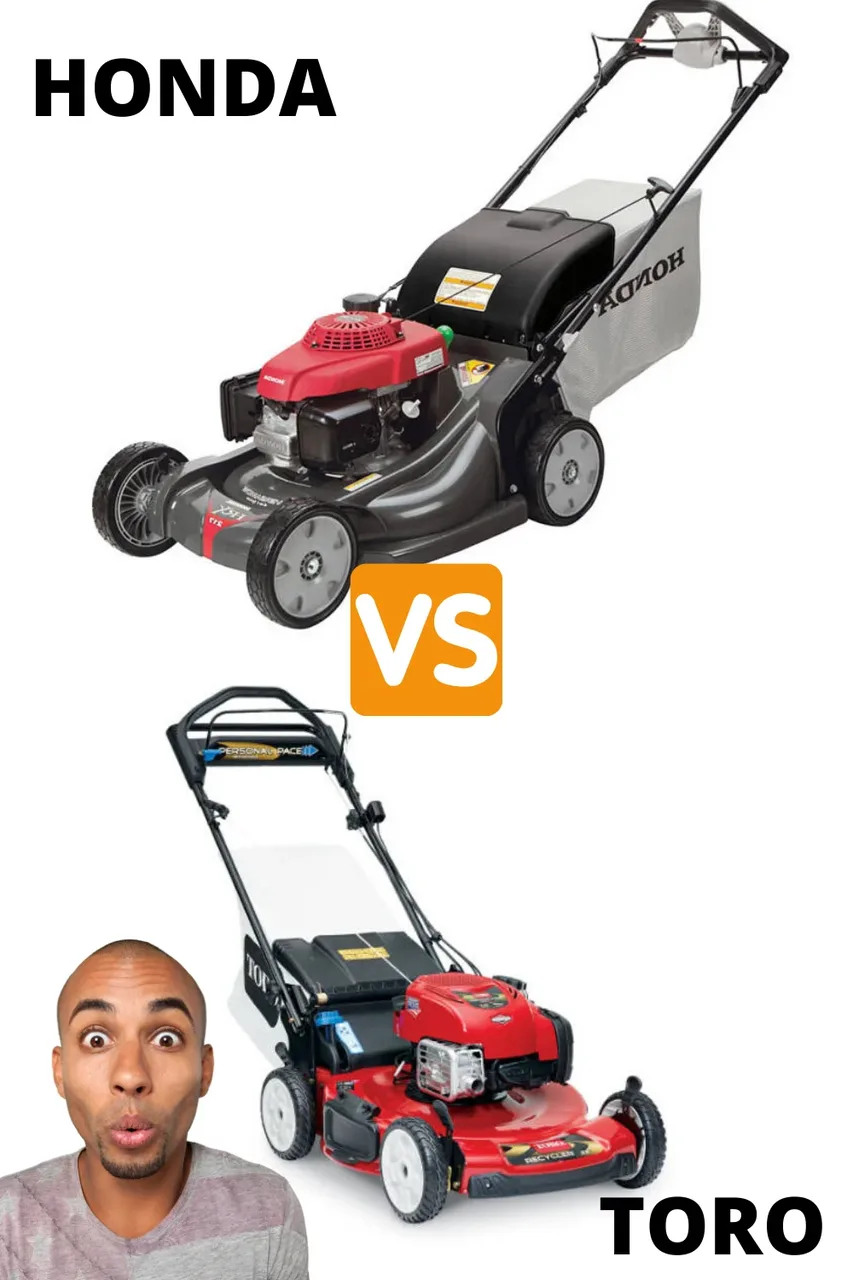
Honda Versus Other Lawn Mower Brands
Honda versus other lawn mower brands is less about finding one universal winner and more about matching engine feel, deck design, drive controls, service access, and price to your use. A Honda gas mower may appeal to someone who values smooth running and proven mechanical layouts, while another brand may offer a lighter body, a stronger battery platform, or a lower price.
The Honda versus other brands comparison should use equivalent mowers. Comparing a premium self-propelled Honda with a basic push mower from another brand will produce a dramatic price difference, but not a fair result.
What To Compare First
Start with the parts that affect every mowing session:
- Starting: Electric start can be convenient, while a well-maintained pull start can remain dependable.
- Drive feel: A self-propelled mower should move at a pace you can control without tugging or surging.
- Cut quality: Blade sharpness, deck airflow, and mowing height matter more than paint color.
- Clipping handling: Bagging, mulching, and side discharge each suit different mowing habits.
- Noise: Gas engines are louder, while battery motors are easier on the ears in small yards.
- Service: Local parts access can save a long wait when a cable, belt, wheel, or blade needs attention.
- Storage: Handle folding, fuel storage, and battery removal affect garage space.
A mower with a strong engine can still leave ragged grass if the blade is dull or the deck is clogged. A less powerful mower can produce a neat finish when the blade is sharp, the cutting height is sensible, and you don’t force it through a foot of wet growth.
Gas Honda Against Gas Competitors
Honda gas mowers often attract buyers who want a refined engine and a walk-behind design with familiar service points. Comparable gas mowers from other brands may offer similar deck widths, drive layouts, and cutting-height ranges, so the real difference can come down to controls, weight, dealer support, and sale price.
A gas mower usually makes sense for a larger property or a homeowner who doesn’t want to stop for battery charging. Fuel does bring extra chores, including stable storage, oil checks, air-filter care, and seasonal preparation.
Honda Gas Against Battery Mowers
Battery mowers start with a button or control sequence, produce less operating noise, and avoid gasoline storage. A battery model can be a sweet relief in a small neighborhood yard, especially when you don’t want to wake someone inside the house.
Battery limits depend on grass height, moisture, cutting width, speed, blade condition, slope, and the battery’s energy capacity. A mower that handles a small maintained lawn easily may struggle when the same lawn is left untouched for two weeks.
The Honda battery and drive systems topic deserves separate attention because battery packs, chargers, motors, and propulsion controls shape the ownership experience. Don’t judge a battery mower by the battery voltage printed on the box alone; runtime and cutting performance depend on the whole system.
A Fair Brand Comparison Table
| Comparison point | Honda gas mower | Other gas mower | Battery mower |
|---|---|---|---|
| Start-up | Pull or electric start, model dependent | Pull or electric start, model dependent | Push-button or electronic start |
| Operating noise | Higher | Higher | Lower |
| Long mowing session | Quick refueling | Quick refueling | May need a spare or recharge |
| Routine care | Oil, fuel, air filter, blade | Oil, fuel, air filter, blade | Blade, deck, battery care |
| Drive feel | Depends on transmission and controls | Depends on transmission and controls | Depends on motor and control system |
| Storage concerns | Fuel and oil management | Fuel and oil management | Battery temperature and charging area |
| Best fit | Larger lawns and long sessions | Budget, local support, or features | Quiet, simple residential mowing |
Price changes by season, retailer, deck design, drive system, and included battery equipment. A battery mower can look affordable until a second pack and charger enter the cart, while a gas mower can look inexpensive until fuel, oil, and maintenance are added over time.
Honda Lawn Mower Models and Features That Matter
Honda lawn mower models should be compared by the job they perform, not just by series name. The useful questions are whether you need propulsion, how you handle clippings, how often you mow, and how much weight you can comfortably push or load.
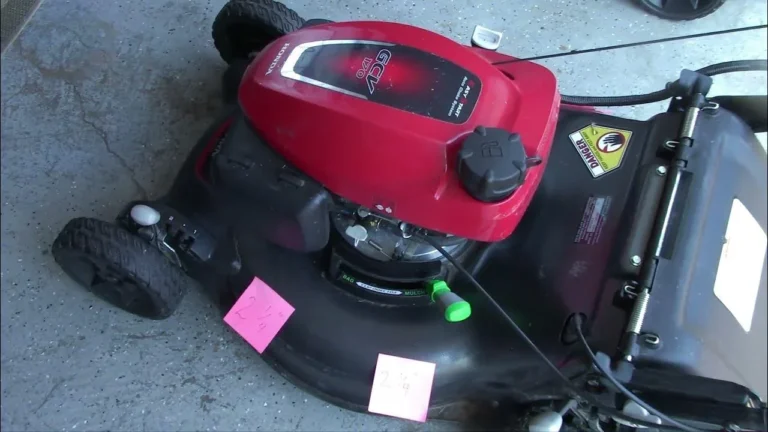
The Honda lawn mower models available in a shopping search may include current ranges, older stock, and legacy machines. That matters because an older model may have a good reputation but different parts availability, warranty coverage, or control design than a current machine.
Push Or Self-Propelled
A push mower works best when the ground is mostly flat and the operator doesn’t mind supplying the force. A lighter push model is often easier to turn around trees, lift over a curb, and roll into a shed.
A self-propelled mower adds a drive system that turns the wheels. It can save your knees and back on a slope, though the added transmission, cables, and hardware increase weight and maintenance points.
Front-wheel drive helps with tight turns because lifting the front wheels can make a quick pivot easier. Rear-wheel drive usually gives better traction while climbing, especially when the grass is thick or the collection bag adds weight.
All-wheel drive can help on mixed terrain, but it costs more and may feel unnecessary on a level lawn. I’d choose rear-wheel drive before all-wheel drive for most sloped residential yards, then move up only when the terrain truly demands it.
Deck Width And Cutting Height
A 21-inch deck is a common walk-behind size because it balances coverage with maneuverability. A wider deck can reduce passes on an open lawn, but it can become awkward between trees, along narrow fences, or through a small gate.
Cutting height should match grass type, season, shade, and local conditions. Removing too much blade at once stresses the mower and leaves the lawn looking scalped, while mowing too high without regular trimming can create clumps.
Use the one-third rule as a practical guide: remove no more than about one-third of the grass blade in a single cut. If the lawn has grown far beyond the target height, raise the deck first, then lower it on a later pass.
Bagging, Mulching, And Side Discharge
Bagging gives a tidy finish and helps when clippings are long or weeds have gone to seed. It also means more stops to empty the bag and more material to manage.
Mulching returns finely cut clippings to the turf. It works best when you mow regularly, keep the blade sharp, and avoid forcing wet grass under a packed deck.
Side discharge is helpful when the grass is tall or the lawn is too large to bag. The tradeoff is that clippings land back on the lawn, driveway, or nearby garden unless you control the discharge direction.
What happens when clippings pile against a fence or garden bed? Slow the pace, mow the perimeter with the discharge aimed inward, and use a bag when a clean edge matters more than speed.
Blade-Brake And Control Features
A blade-brake control can stop the blade while the engine continues running on some mower designs. That can save a restart when you need to move a branch, empty a bag, or cross a paved path, but the blade still needs to stop fully before your hands go near the deck.
A variable-speed control is useful when your walking pace changes. Tall grass may call for a slower setting, while an open straight run lets you move faster without feeling dragged along.
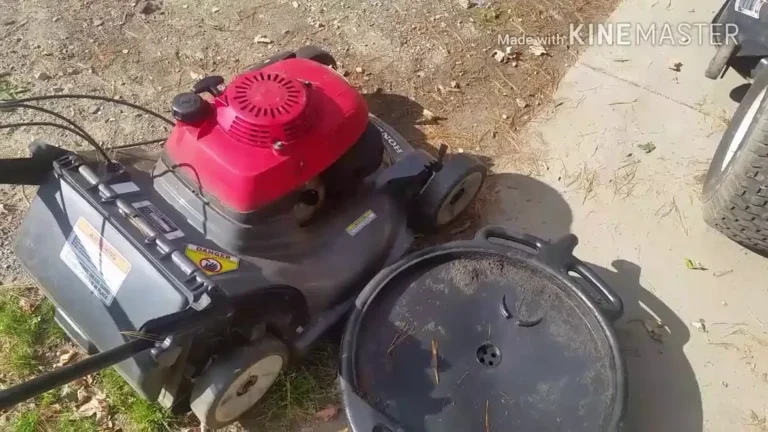
A washout port can help clean the underside on some models, but never treat a hose connection as permission to skip the safety steps in the owner’s manual. Water, fuel, hot engine parts, and spinning blades are a lousy mix.
Finding The Best Honda Mower For Your Use
The best Honda lawn mower depends on the balance between yard size, terrain, body comfort, clipping preferences, and service access. A premium HRX may suit frequent bagging and mulching, while an HRN or HRR can be a better value for ordinary weekly mowing.
Use this short match guide:
- Choose a basic push model for a small, flat lawn and simple storage.
- Choose a self-propelled residential model for slopes, long runs, or fatigue.
- Choose a premium clipping system when you switch often between bagging and mulching.
- Choose a heavy-duty model for rough ground, frequent use, or demanding work.
- Choose battery power when quiet operation and easy starting matter most.
A mower should feel balanced with the bag empty and full. If the front end lifts, the handle strains your wrists, or the drive pulls hard during turns, the machine may be a poor physical match even if the feature list looks impressive.
Buying Costs, Maintenance, and Ownership
Honda mower prices vary by series, engine, drive system, deck design, retailer, and whether the mower is new, old stock, or used. A basic push mower costs less than a premium self-propelled machine, while battery systems add the separate question of included packs and charger value.
Avoid comparing sticker prices alone. Add likely costs for fuel, oil, blades, air filters, belts, battery packs, storage, and professional service when you build a five-year ownership picture.
| Ownership item | Gas mower | Battery mower |
|---|---|---|
| Fuel | Recurring gasoline cost | None |
| Oil | Regular checks and changes | None for the drive motor |
| Air filter | Replacement or cleaning | Usually no engine air filter |
| Blade | Sharpen or replace | Sharpen or replace |
| Battery | Not applicable | Packs eventually lose capacity |
| Seasonal storage | Fuel management matters | Store packs in a suitable dry area |
| Repairs | Engine, cable, belt, drive parts | Motor, controller, cable, battery parts |
Routine maintenance protects cut quality as much as mower life. Check the blade, clean packed grass from the deck, inspect wheels and cables, and follow the manual’s schedule for oil and filter service.
Before any deck work, shut the mower off, disconnect the spark plug wire on a gas mower when the design allows, remove the battery on a battery mower, and wait for hot parts to cool. Wear gloves while handling the blade, but don’t rely on gloves to protect against a stored blade edge.
Important Tip: Never tip a gas mower casually. The wrong direction can let fuel or oil move where it shouldn’t, causing hard starting, smoke, or a fire risk.
Keep the blade sharp, but don’t grind away its balance. A blade that vibrates after sharpening can damage hardware and make the handle buzz through your hands, so replace a bent or badly worn blade instead of trying to save it.
Fuel left in a mower can create starting trouble after storage, especially when the fuel ages or moisture enters the system. Follow the owner’s manual for fuel treatment, tank draining, and storage steps rather than guessing.
Battery packs need sensible storage too. Keep them dry, avoid extreme heat, use the intended charger, and don’t run a pack that is swollen, cracked, leaking, or unusually hot.
Safety and Troubleshooting Before the Next Cut
Mower safety starts before the engine or motor runs. Clear stones, wire, sticks, toys, and loose branches from the cutting area, then keep children and pets away from the work zone.
Wear sturdy shoes, eye protection when debris may fly, and hearing protection around loud gas equipment. Never mow barefoot, in sandals, or while backing toward an obstacle you haven’t checked.
Stop the blade before crossing gravel, a driveway, or a paved path. On a slope, mow across the face when the mower design and local conditions allow, keep both hands on the handle, and avoid sudden turns that can throw off your footing.
Call a qualified repair professional when the mower has a fuel leak, damaged blade adapter, electrical fault, broken safety control, or severe vibration. A mower that shakes, smokes heavily, or loses control should not be treated as a minor annoyance.
| Problem | Likely cause | Practical first check |
|---|---|---|
| Engine starts, then dies | Stale fuel, blocked filter, restricted airflow | Check fuel condition and filter area |
| Uneven cut | Dull blade, wrong height, bent blade | Inspect blade and deck height |
| Mower clogs | Wet grass, packed deck, low cutting height | Let grass dry and clean the deck safely |
| Self-propelled mower surges | Cable adjustment or drive issue | Check control cable and manual guidance |
| Battery mower stops early | Tall grass, low charge, worn pack | Reduce load and check battery condition |
| Strong vibration | Bent or unbalanced blade | Stop use and inspect before restarting |
| Wheels slip on a slope | Poor traction or worn tires | Slow down and check wheel condition |
Why does a mower leave a strip of tall grass between passes? A bent blade, a deck that flexes, uneven tire pressure, or a cutting path that overlaps too little can all cause the stripe, so inspect the hardware before blaming the engine.
Don’t keep lowering the deck to force a cleaner result. A higher cut with regular mowing often looks better than a very low cut that overloads the deck and tears the grass tips.
Key Takeaways:
- Match the mower to slope, lawn size, grass height, and storage space before comparing prices.
- HRR and HRN suit many residential yards, HRX adds more clipping and drive control, and HRC targets demanding use.
- Gas favors long sessions and quick refueling, while battery favors quiet operation and easy starting.
- Blade condition, deck cleanliness, and service access affect results more than a long feature list.
FAQs About Honda Lawn Mower Comparisons
Which Honda lawn mower series is best for most homeowners?
The HRN or HRX series fits many homeowners, depending on the yard and budget. HRN models suit regular residential mowing with useful modern features, while HRX models make more sense when you want advanced mulching, bagging, and drive controls. A flat lawn may not need the added weight of a premium self-propelled mower.
Is a Honda HRX better than an HRN?
A Honda HRX offers more clipping-management and control features than many HRN models, but “better” depends on the job. HRX makes sense for frequent bagging, mulching, or varied mowing conditions. HRN can be the smarter purchase for a homeowner who wants dependable residential cutting without paying for features that rarely get used.
Should I buy a push mower or self-propelled Honda?
Choose a push Honda mower for a small, mostly flat lawn that you can comfortably cross without strain. Choose a self-propelled Honda mower for slopes, long mowing routes, thick grass, or physical fatigue. Self-propulsion adds weight and cost, so the feature earns its place when the yard makes pushing unpleasant.
Are Honda gas mowers better than battery mowers?
Honda gas mowers can be better for long cutting sessions, tall grass, and buyers who want quick refueling. Battery mowers can be better for quiet neighborhoods, small lawns, simple starting, and less engine maintenance. Battery runtime depends on grass height, moisture, slope, blade condition, and pack capacity.
How often should a Honda mower blade be sharpened?
A Honda mower blade often needs attention after roughly 20 to 25 hours of cutting, though sandy soil, sticks, and rough ground can shorten that interval. Replace a blade that is bent, cracked, badly worn, or impossible to balance. A sharp, balanced blade improves the cut and reduces vibration.
Do Honda lawn mowers handle wet grass?
Honda lawn mowers can cut wet grass, but wet turf raises the chance of clumping, clogging, slipping, and an uneven finish. Waiting for the grass to dry usually gives a cleaner result and puts less load on the engine or battery motor. Raise the deck if delayed mowing leaves the grass unusually tall.
Choosing with Confidence
Honda lawn mower comparisons work best when you ignore the temptation to buy the biggest machine in the row. Start with the terrain, then decide whether you need self-propulsion, premium clipping control, gas runtime, or battery convenience.
My practical pick for many homeowners is a residential self-propelled mower only when slopes or lawn size justify it. Otherwise, a lighter push model with a sharp blade, easy height adjustment, and accessible replacement parts can leave you happier every Saturday.
Write down your lawn size, slope, gate width, preferred clipping method, and storage limits before you shop. Match those facts to the exact model, then choose the mower that solves your actual workload rather than the one with the longest feature list.