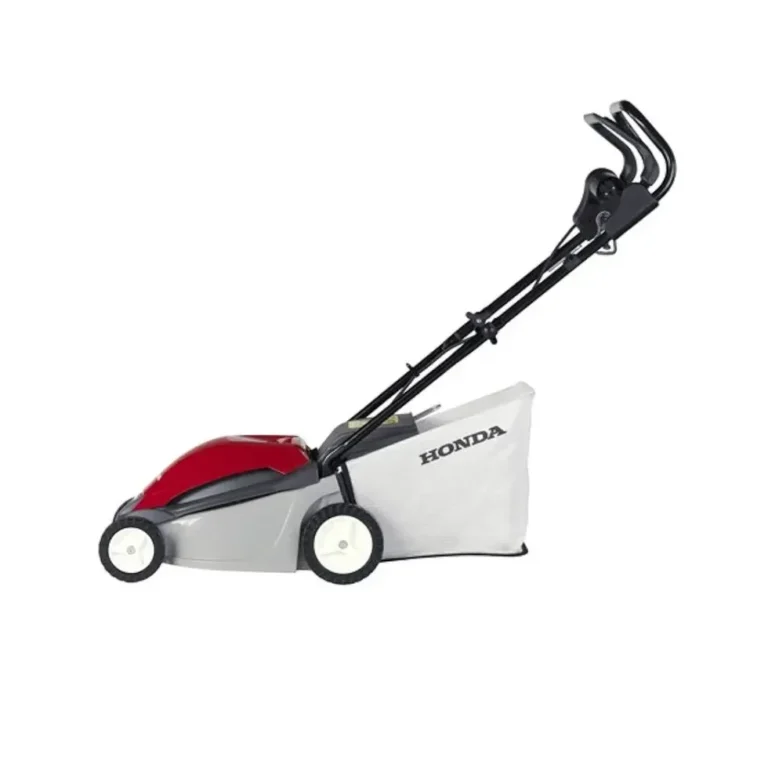
Honda HRN-BV Review: Features, Limitations and Who It Suits
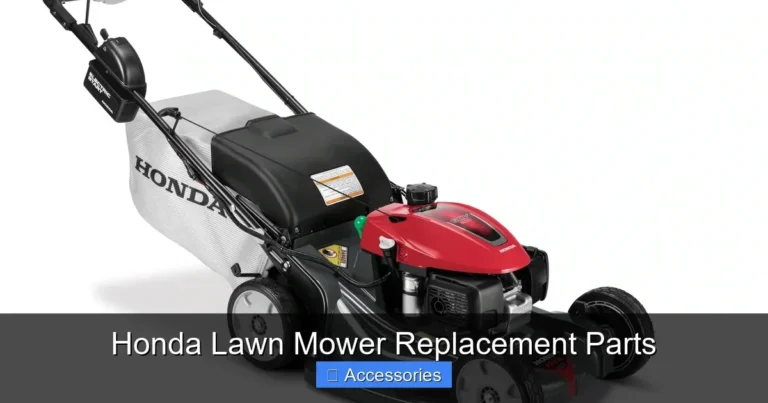
The Honda HRN-BV is worth considering for homeowners who want a self-propelled battery mower with flexible speed control, but it may not suit large lawns or buyers who need longer runtime. Its strongest match is a small to medium residential yard where quiet, cable-free mowing matters more than unlimited fuel runtime.
The mower has a 21-inch cutting deck, an 8 Ah lithium-ion battery, and a claimed runtime of up to 30 minutes or about one-quarter acre per charge. Actual coverage can change with grass height, moisture, terrain, cutting height, and how often the drive system is used.
Before buying, check more than the Honda name. Battery charging time, replacement battery cost, mower weight, noise, storage space, and local service support can affect the ownership experience. Those details are not confirmed in the supplied catalog information, so check the current product documentation before ordering.
The HRN-BV also uses a variable-speed self-propelled system and offers seven cutting-height positions. That gives you useful control, but the battery limit still matters when the lawn is thick, wet, sloped, or divided into several sections.
This review explains:
- Whether the cutting width, runtime, and drive controls fit your yard
- How the mulching, bagging, and height settings help during regular mowing
- Which trade-offs make another mower a better choice
- How to use and care for a battery mower without shortening its service life
Honda HRN-BV 21-Inch Walk Behind Battery Powered Lawn Mower (HRN216YXBVKA4) | Variable Speed Self Propelled Lawn Mower with 1.9 Bushel Capacity, Easy-Off Grass Bag, Clean Cuts in Thick and Tall Grass

Technical Specifications
- ColorRed
- Number Of Items1
- BatteryElectric Mower With Great Battery Run Time: The HRN-BV electric lawn mower comes with an 8 AH lithium-ion batt
- Adjustable Cutting HeightThis battery lawn mower offers a dual-lever height adjustment system that offers 7 cutting heights between 1-4 inch
Alternatives Worth Considering
-

SENIX 201cc 22″ 3-in-1 Variable Speed Self Propelled Gas Lawn Mower | Self Propelled Lawn Mower, 22″ Self Propelled Gas Lawn Mower, 6 Height Adjustable
The Amazon listing notes Powerful 201cc OHV Engine-Powered by a reliable 201cc 4-cycle OHV engine, this lawn mower delivers strong, consistent perform. Check whether this self propelled lawn mower fits your requirements and compare its specifications before bu.
-

YARDMAX 22 in. 201cc Select PACE 6 Speed CVT High Wheel FWD 3-in-1 Gas Walk Behind Self Propelled Lawn Mower, Black (YG2860)
The Amazon listing notes Exclusive and industry-leading CVT (Continuously variable transmission) offers superior speed variability to adjust the mower. Check whether this self propelled lawn mower fits your requirements and compare its specifications before bu.
-

Greenworks 80V 21in Self-Propelled Lawn Mower, 4.0 Ah Battery and Charger | Brushless motor with LED headlight and rapid charger; self-propelled drive reduces effort on larger lawns.
The Amazon listing notes [80V 21” SELF-PROPELLED LAWN MOWER] – Get more done, faster, with Greenworks electric lawn mowers. This 80V lawn mower cuts u. Check whether this self propelled lawn mower fits your requirements and compare its specifications before bu.
Honda HRN-BV Review at a Glance
The Honda HRN-BV is a capable-looking battery mower for smaller residential lawns, with useful self-propelled control and flexible cutting settings. Its main limitation is the claimed 30-minute runtime, which can make larger or difficult lawns a charging project.
Key Specifications:
- Cutting width: 21 inches
- Battery: 8 Ah lithium-ion
- Claimed runtime: Up to 30 minutes
- Claimed coverage: About 1/4 acre per charge
- Grass bag: 1.9 bushels
- Cutting heights: Seven settings from 1 to 4 inches
- Self-propelled speed: Variable from 0 to 3.8 mph
- Cutting system: Twin-blade MicroCut system with four cutting surfaces, according to the catalog description
The supplied product data confirms the red color and one included item, but it does not confirm the mower’s weight, charge time, deck material, noise rating, warranty, charger details, or battery replacement cost.
The runtime figure is a seller claim rather than an independent test result. Treat it as a planning estimate, not a promise that every lawn will take exactly 30 minutes.
Honda HRN-BV Features and Benefits
The Honda HRN-BV combines a battery motor, self-propelled drive, twin-blade cutting, adjustable height, and bagging or mulching functions. The practical value comes from how those features work together during ordinary mowing, not from any single specification.
Battery power avoids gasoline handling
The HRN-BV uses an 8 Ah lithium-ion battery instead of a gas engine. That removes fuel mixing, gasoline storage, and pull-starting from the normal mowing routine.
The catalog describes the motor as delivering power and high torque comparable to Honda’s GCV-series gas engines. That is a manufacturer or seller claim, not an independent performance result, so buyers should avoid assuming it will behave exactly like a gas mower in every condition.
Battery power can be a good fit when you want a simpler start and do not want to keep fuel on hand. A second battery may be worth considering for larger properties, but the supplied information does not confirm whether an additional compatible battery is included or what it costs.
The topic of Honda electric mowers can be confusing because product availability and model names may change. Buyers researching Honda electric mower models should confirm current battery, charger, and support details for the exact product rather than relying on older listings. Honda electric mower models
Self-propelled speed adjusts to your pace
Honda’s Smart Drive control lets you adjust the mower’s forward speed from 0 to 3.8 mph, with five speed settings listed in the catalog data. Variable speed is useful because a wide open lawn and a tight garden area do not call for the same pace.
A slower setting can make turns and narrow passages easier to manage. A faster setting can reduce mowing time on open, level ground, though using self-propulsion draws energy from the battery.
Self-propelled drive is especially helpful on slopes or when the mower feels heavy to push. It also adds moving parts and uses more battery power than simply pushing the mower, so the claimed quarter-acre coverage may not apply equally to every yard.
Twin blades support bagging and mulching
The mower’s MicroCut system uses two blades and four cutting surfaces, according to the catalog description. Honda says the design produces finer clippings for improved mulching and helps fill the 1.9-bushel grass bag.
Finer clippings can be useful when you leave grass on the lawn because smaller pieces settle between the standing blades more easily. Bagging gives you a cleaner surface when clippings would otherwise collect in visible rows.
The mower’s actual results will depend on grass condition, blade sharpness, mowing frequency, and speed. Tall or wet grass can challenge any residential mower, so the best approach is to avoid removing too much grass in one pass.
Seven cutting heights fit different conditions
The dual-lever height system provides seven positions from 1 to 4 inches. A broad adjustment range lets you cut shorter in some conditions and leave grass taller during heat or dry weather.
A higher setting is often a sensible choice when the lawn is stressed or the grass has grown too tall between cuts. The lowest setting can give a closely trimmed appearance, but cutting too low can expose soil and place more stress on the turf.
Check that both sides of the deck move together before mowing. An uneven height setting can leave a rough-looking cut and may make the mower harder to control.
Easy-off bag supports cleaner mowing
The catalog lists a 1.9-bushel easy-off grass bag. A removable bag is useful when you prefer to collect clippings, especially around sidewalks, driveways, and garden beds.
Bag capacity is not the same as total mowing area. Thick, wet, or tall grass fills a bag faster than dry, regularly cut grass, so you may still need frequent emptying.
The product description also mentions a sliding Clip Director for switching between mowing modes, though the supplied information does not fully explain its operating details. Follow the mower’s instructions when changing from bagging to mulching.
What to Look for in a Self Propelled Lawn Mower Before You Buy
The main buying factors are battery coverage, drive control, cutting adjustment, collection capacity, and maintenance access. The Honda HRN-BV looks best on control and cutting flexibility, while its advertised runtime sets a clear boundary for lawn size.
Match battery coverage to your yard
The catalog claims up to 30 minutes of operation or about one-quarter acre per charge. Your results can be lower when the lawn is thick, damp, sloped, or frequently mowed with self-propulsion.
Measure the mowable area rather than guessing from the total size of your property. Buildings, patios, planting beds, and driveways may reduce the actual grass area, but hills and slow turns can increase the time needed.
If the lawn is close to the stated coverage limit, leave room for difficult conditions. A mower that barely finishes on a dry spring day may not finish comfortably when summer growth becomes dense.
Research into the best Honda walk-behind mowers can help compare battery and gas options, but verify that any comparison uses current models and matching yard requirements. best Honda walk-behind mowers
Check how much self-propulsion you really need
Variable drive speed is valuable when you mow slopes, have limited pushing strength, or want to change pace often. It is less important on a small, flat lawn where pushing is easy.
The HRN-BV’s listed range of 0 to 3.8 mph and five speed settings gives you more control than a single fixed pace. Still, the catalog does not state the mower’s weight or the exact effort required to engage the drive.
Ask whether you will use self-propulsion for the whole mow or only on hills and rough sections. Using it selectively may help preserve battery coverage.
Consider the cutting and collection setup
A 21-inch deck is a common middle-ground size for residential mowing. It can cover more ground per pass than a narrower deck, while still being easier to place in many backyard storage areas than a much wider mower.
The seven height positions from 1 to 4 inches provide useful adjustment. The 1.9-bushel bag may be convenient for routine mowing, but bag size should be judged against your grass type and how often you mow.
The twin-blade cutting system may appeal to buyers who switch between mulching and bagging. Keep in mind that the catalog describes the intended benefit, not independent proof of finer clippings in every lawn condition.
Confirm battery, charger, and storage details
The supplied product data confirms an 8 Ah battery but does not clearly confirm the charger arrangement, charge time, battery storage requirements, or replacement battery price. Those missing details can change the cost and convenience of ownership.
Ask these questions before purchase:
- Is the charger included with the exact model?
- Can the battery be removed for indoor storage?
- Is a replacement battery still available?
- Can one battery power other compatible tools?
- Does the manual specify a temperature range for charging and storage?
A battery mower should be stored in a dry area away from extreme heat and freezing conditions unless the manual says otherwise. Never charge a damaged or swollen battery.
Think about service and long-term upkeep
A battery mower usually needs less routine engine maintenance than a gas mower, but it still needs blade care, deck cleaning, fastener checks, and battery care. The battery is also a wear item, and its long-term replacement cost is not provided here.
Before buying, confirm the warranty, service process, and replacement parts for the exact model. The product data supplied for this review does not verify a warranty period.
For shoppers comparing the HRN-BV with higher-tier models, Honda HRN-BV versus HRX-BV may be useful when the main concern is residential fit, deck features, or the type of control you prefer. Honda HRN-BV versus HRX-BV
Honda HRN-BV Pros and Cons
The Honda HRN-BV has a useful feature mix for smaller residential lawns, but the battery limit and missing ownership details deserve attention before purchase.
Pros:
- Battery operation avoids gasoline storage and pull-starting
- Self-propelled speed adjusts from 0 to 3.8 mph
- Five listed drive-speed settings support different mowing conditions
- Seven cutting heights cover 1 to 4 inches
- Twin-blade MicroCut system supports mulching and bagging
- 1.9-bushel easy-off bag helps collect clippings
- 21-inch cutting width suits many residential mowing patterns
Cons:
- Claimed runtime is limited to up to 30 minutes
- Coverage may drop in thick, wet, tall, or sloped grass
- Battery, charger, weight, noise, and warranty details are not confirmed here
- Self-propulsion uses battery energy and may reduce practical coverage
The biggest downside is not a confirmed defect. It is the need to plan around battery runtime, especially if the lawn is near one-quarter acre or takes longer because of hills and obstacles.
Buyers comparing entry-level and premium Honda residential mowers may also be interested in HRN-BV versus HRX-BE. HRN-BV versus HRX-BE The correct choice depends on the exact features, price, and support offered for the current models, not just the model prefix.
Who Should Buy Honda HRN-BV and Who Should Skip It
Choose the Honda HRN-BV if you want a self-propelled battery mower for a small or medium residential lawn and value adjustable speed, height control, and bagging or mulching flexibility.
Choose It If:
- Your grass area is comfortably below the claimed quarter-acre coverage
- You want to avoid gasoline, oil, and pull-starting
- Your yard includes slopes or long sections where self-propulsion helps
- You prefer changing mowing speed instead of using one fixed pace
- You regularly switch between collecting clippings and mulching
A homeowner with a mostly level lawn may not need self-propulsion for every section, but the control can still help around slopes and rougher areas. Buyers with a larger yard should plan for a second charge or verify whether a spare battery is available.
Skip It If:
- Your lawn is larger than the claimed coverage or often grows tall between cuts
- You need to finish several acres without stopping to recharge
- You want confirmed long-term costs before choosing a battery platform
- You strongly prefer a mower with fully documented weight, noise, charger, and warranty details
A different mower type may make more sense for large properties or irregular mowing schedules. A gas mower can offer longer continuous operation, while a larger battery platform may better suit buyers already invested in compatible outdoor tools.
How to Use and Care for Honda HRN-BV
The most important habit is to mow regularly and avoid forcing the deck through tall, wet grass. Frequent light mowing is easier on the battery, blades, bag, and motor than removing a large amount of overgrown grass at once.
Prepare the lawn safely
Before mowing, remove rocks, sticks, wire, toys, and other objects from the cutting area. Keep children and pets away from the mowing zone, and wear sturdy closed-toe shoes.
Do not place hands or feet near the blade area while the battery is installed. Remove the battery before clearing a blockage, inspecting the underside, or handling the blade, and follow the manual’s shutdown procedure.
Check the battery and housing for visible damage before each use. Do not operate the mower if the battery is swollen, cracked, wet, or unusually hot.
Set the height for the conditions
Use a higher cutting position when the grass is tall, dry conditions are stressing the lawn, or you are removing more than a small amount of growth. Lower settings can work when the lawn is maintained regularly and the grass is healthy.
Avoid cutting too low just to stretch the time between mowing sessions. A lower deck can make the mower work harder and may leave the lawn more exposed to heat and dry soil.
Pro Tip: When grass is unusually tall, raise the deck for the first pass and lower it later only if needed. Taking less grass per pass is usually easier on the mower than forcing a low setting through dense growth.
Choose bagging or mulching
Use the bag when you want a cleaner surface or need to keep clippings away from hardscaping. Mulching can return small clippings to the lawn, but it works best when the grass is not excessively tall or wet.
Empty the bag before it becomes difficult to lift or when airflow seems restricted. A full bag can reduce convenience and may affect how evenly clippings collect.
Follow the manual when changing the Clip Director or switching mowing modes. Turn the mower off and remove the battery before reaching near the deck or chute.
Manage battery use
Charge the battery according to the manufacturer’s instructions and use the correct charger for the model. Do not leave a damaged battery in service, and keep charging equipment dry.
The catalog’s 30-minute figure is a maximum-style claim, so use it as a rough planning number. Dense grass, slopes, slow maneuvering, and frequent self-propelled use can reduce the area completed per charge.
Important Tip: Do not store the battery in direct sun, a hot vehicle, or a damp shed. Follow the manual for the correct storage charge and temperature range because those details are not confirmed in the supplied product information.
Clean and inspect after mowing
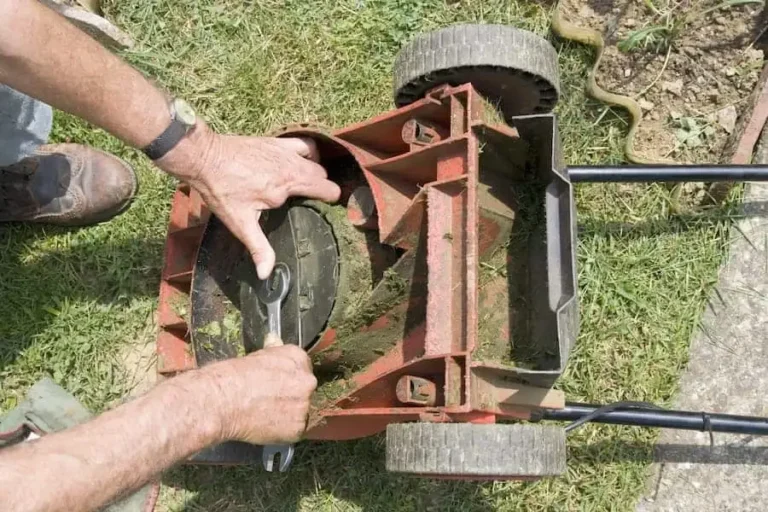
Remove grass from the deck, wheels, bag area, and discharge path after the mower is stopped and the battery is removed. Use the cleaning method approved in the manual, and avoid spraying water into electrical openings.
Inspect the blade for damage and check that exposed fasteners are secure. A dull or damaged blade can produce a rough cut and may make the mower work harder.
Do not sharpen or replace the blade unless you can follow the manual safely. If the blade is bent, cracked, or difficult to remove, a qualified service professional is the safer choice.
Common Questions People Ask About Honda HRN-BV
How long does the Honda HRN-BV battery last?
The catalog claims up to 30 minutes of runtime or about one-quarter acre per charge. Actual coverage depends on grass height, moisture, terrain, cutting height, and self-propelled use, so treat the figure as an estimate rather than a guaranteed result.
Is Honda HRN-BV self-propelled?
Yes, the supplied product information identifies the Honda HRN-BV as self-propelled. Its Smart Drive control adjusts forward speed from 0 to 3.8 mph, with five speed settings listed, though the exact control layout and operating steps should be confirmed in the manual.
Can the Honda HRN-BV mulch and bag grass?
Yes, the product description says the mower supports mulching and bagging. It uses a twin-blade MicroCut system and a 1.9-bushel easy-off bag, but cutting results can change with grass condition, blade sharpness, mowing speed, and how much grass is removed.
What cutting heights does the Honda HRN-BV offer?
The mower has seven cutting-height positions between 1 and 4 inches, according to the catalog data. That range lets you raise the deck for tall or stressed grass and choose a lower setting for regularly maintained turf, within the limits recommended by the manual.
Is the Honda HRN-BV good for a quarter-acre lawn?
It may fit a quarter-acre lawn because the catalog claims about one-quarter acre per charge. That estimate can be tight if the yard is sloped, thick, wet, divided by obstacles, or mowed infrequently, so a smaller actual grass area gives you more margin.
Does the Honda HRN-BV include a warranty?
A warranty period is not confirmed in the supplied product information. Check the current documentation for the exact model before buying, including coverage for the mower, battery, charger, and any conditions that apply to residential use.
Should You Buy Honda HRN-BV?
The Honda HRN-BV is a reasonable choice for a homeowner who wants battery power, self-propelled assistance, adjustable speed, and flexible mowing modes in a 21-inch mower. Its advertised coverage makes the most sense for a small or moderate lawn with some extra room below the quarter-acre estimate.
The biggest limitation is battery planning. If your lawn is large, steep, thick, or rarely mowed, the claimed 30-minute runtime may feel restrictive. Buyers in that group should consider a mower with more battery capacity, a spare-battery option, or a gas model with longer continuous operation.
For the right yard, the HRN-BV offers a practical balance of control and convenience. Confirm the charger, warranty, replacement battery, weight, and service details before purchase so the mower fits both your lawn and your long-term budget.