How to Use a Honda Self-Propelled Lawn Mower
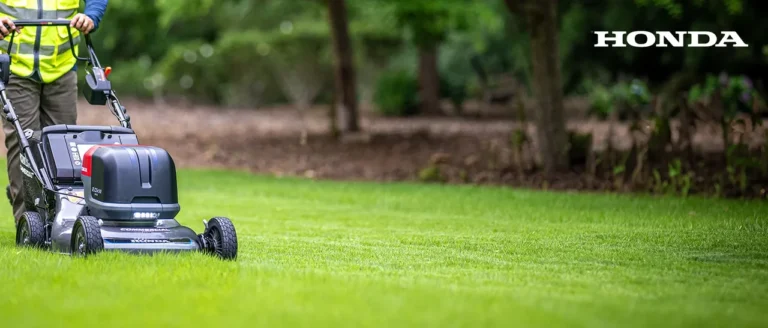
A Honda self-propelled lawn mower is easiest to use when you prepare the yard, set the cutting height, start the engine, and engage the drive only after the blade is ready. You guide the mower with the handle, while the transmission supplies forward movement at a pace you control.
Are you fighting the mower on a slope, or does the machine surge ahead before you feel ready? Have you ever finished a pass with tall strips left behind because the deck was set too low or the grass was too wet?
I once rushed a first pass across a shaggy section and set the pace too fast, leaving clumps packed under the deck and a ragged stripe across the lawn. Cleaning that mess took longer than mowing would have, and it was a common mistake, not a dumb one.
I wrote this guide for anyone holding a Honda mower handle and wondering which lever does what. The goal is a calm, practical routine that helps you avoid stalled starts, uneven cuts, clogged grass, and needless wear.
Get the setup right, and you gain a cleaner lawn, steadier control, and less strain on your arms. Skip the checks, and the mower can bog down, throw debris, or pull you toward an obstacle before you can react.
This article takes about four minutes to read. You’ll learn how to:
- Identify the controls before the engine runs.
- Start the mower and engage the drive in the right order.
- Choose a cutting height and mowing pace for common grass conditions.
- Match the mower’s features to the way you maintain your yard.
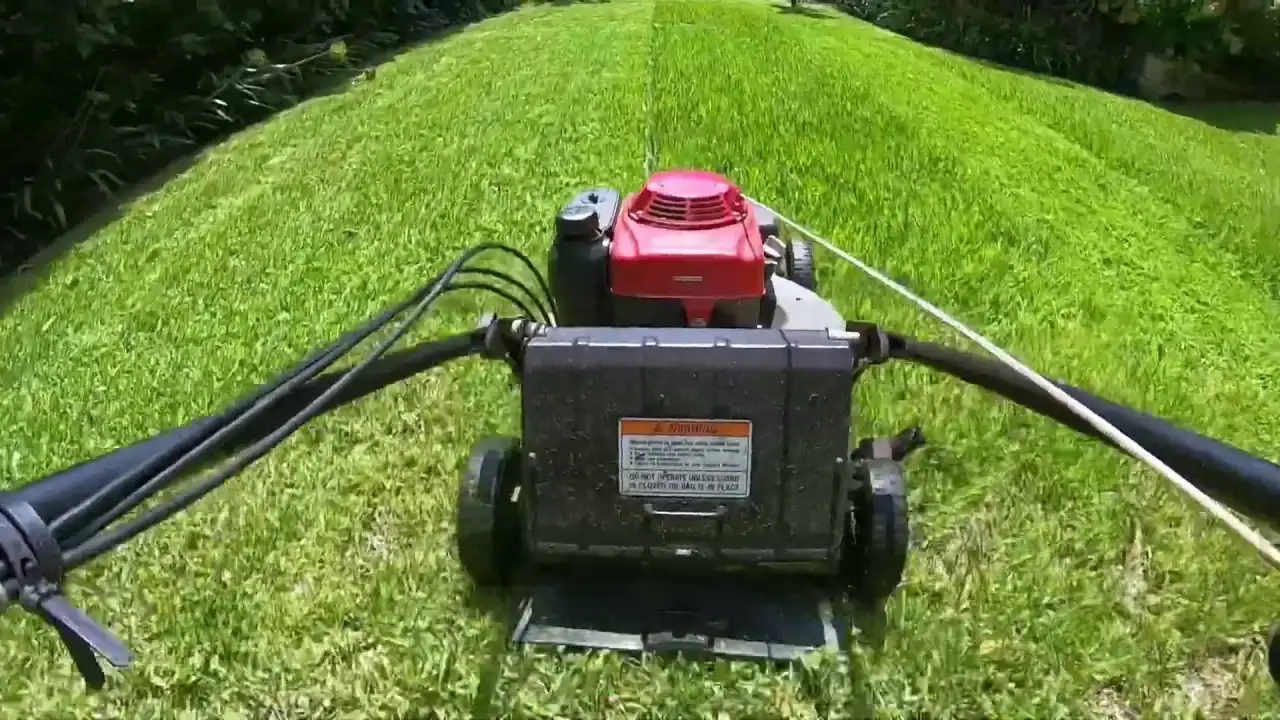
How to Use Honda Self Propelled Lawn Mower: Controls, Setup and First Pass
To use a Honda self-propelled lawn mower, clear the yard, check the fuel and oil, set the deck height, start the engine, hold the blade-control bar, and squeeze the drive lever only when you’re ready to move. Walk at a steady pace, overlap each pass slightly, and release the controls before crossing gravel, curbs, or rough ground.
Start with the engine off and the mower on a flat surface. Pick up sticks, toys, hoses, and loose stones because the blade can turn small debris into dangerous projectiles.
Check the oil level, fuel level, grass bag, and discharge area. Wear sturdy shoes, keep children and pets away from the mowing area, and never put your hands near the deck while the engine is running.
Set the cutting height, which is the distance between the blade and the ground, with the height levers at each wheel. Taller grass usually needs a higher setting, while cutting more than one-third of the grass blade at once can leave the lawn stressed and covered with clippings.
Find the blade-control bar near the upper handle. Most Honda gas mowers require the bar to stay held against the handle while the engine runs, and releasing it stops the blade.
The drive lever, often placed near the handlebar, controls the wheels rather than the blade. Start the engine with the drive lever released, then hold the blade-control bar and squeeze the drive lever gradually.
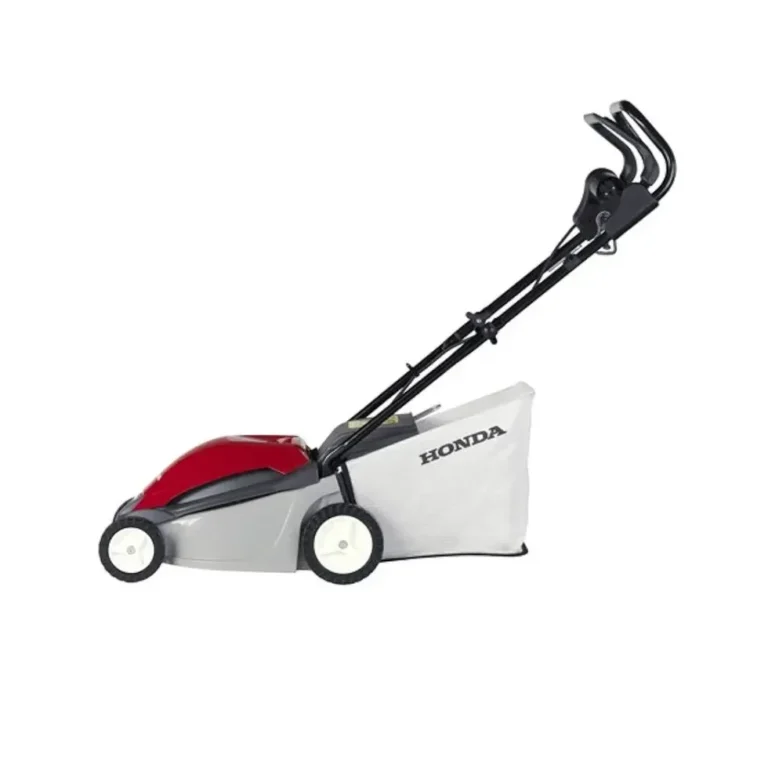
If your mower uses a recoil starter, pull the starter handle with a smooth, firm motion after setting the controls as the label directs. Electric-start models use a key, button, or switch, and the exact sequence can vary by model, so check the instructions printed on the mower before starting. The starting routine for a push mower is closely related, but the drive-control step is absent.
Once the engine sounds steady, point the mower toward the first strip of grass. Engage the drive slowly, keep both hands on the handle, and guide the machine rather than pushing hard against it.
Mow in straight, slightly overlapping passes. Keep the blade moving at full operating speed in thick grass, and reduce the forward pace instead of forcing the deck through a heavy patch.
Do you need to mow in a different direction each time? Changing the mowing pattern helps prevent grass from leaning in one direction and reduces repeated wheel tracks, especially near fences and narrow gates.
Release the drive lever before turning sharply. Release the blade-control bar before clearing a clog, emptying the bag, adjusting the deck, or walking across any surface that could damage the blade.
Pro Tip: Start with a higher deck setting on the first pass through tall grass, then lower the height on a later cut if the lawn still needs a shorter finish. That small adjustment can prevent engine strain and ugly clumps.
- Start with the drive disengaged.
- Hold the blade-control bar before engaging the wheels.
- Slow the ground speed in thick grass.
- Release all controls before leaving the mowing path.
Choose the Right Honda Mower Setup Before Mowing
Honda mower operation changes by model, so identify the deck size, drive controls, starting system, discharge method, and safety features before the first cut. A smaller deck can suit tight yards, while a wider deck covers open lawn faster but may feel harder to maneuver around trees and beds.
Honda lawn mower models can differ in how the drive lever feels, where the height adjusters sit, and how clippings move through the deck. Check the labels on your machine instead of assuming every Honda handle arrangement works the same way.
| Feature | What to identify | Why it matters |
|---|---|---|
| Deck width | Narrow or wide cutting deck | Affects coverage and turning space |
| Drive control | Single lever, thumb control, or variable-speed control | Changes how you set walking pace |
| Starting system | Recoil, electric start, or both | Changes the starting routine |
| Collection option | Bagging, side discharge, or mulching | Determines how clippings leave the deck |
| Cutting height | Wheel levers or a single adjustment | Controls grass length and engine load |
A variable-speed drive lets you match the mower’s forward movement to your stride. Use a slower setting around landscaping, on damp grass, or near a slope, and choose a faster setting only where the ground is open and level.
A mulching setup returns finely cut clippings to the lawn, while a bagging setup collects them for removal. Side discharge works well when the grass is dry and tall, but keep the discharge direction away from cars, windows, sidewalks, and people.
I once borrowed a mower with a different drive lever and reached for the wrong control during a tight turn. The machine lurched a few inches before I released the bar, which reminded me to test every unfamiliar control with the blade disengaged.
Give the mower a slow walk around before starting. Find the fuel shutoff if fitted, locate the oil-fill cap, confirm the bag is latched, and identify the release position for the blade and drive controls.
A few minutes spent learning the handle layout saves far more time than stopping every few feet to guess. Once the controls feel familiar, the first pass becomes boring in the best possible way.
How to Use a Honda Self-Propelled Lawn Mower: Control Speed Safely
Honda self-propulsion uses engine power to turn the drive wheels through a transmission, so you guide the mower instead of pushing its full weight. Pull the drive lever toward the handle to move forward, release the lever to stop the wheels, and adjust your walking pace with the mower’s speed control when fitted.
The drive system usually works through a belt, pulley, gearbox, or hydrostatic-style transmission, depending on the Honda model. The engine still spins the cutting blade, while a separate drive path sends power to the rear or front wheels. That separation lets the blade keep running while the mower stops moving.
Start with the lowest comfortable speed until the mower feels predictable. A faster setting can save time across an open, flat lawn, but a slower setting gives you more control near trees, edging, garden beds, and uneven ground.
On a slope, mow across the face of the hill instead of straight up and down when the mower design and manual allow it. Keep both hands on the handle, wear shoes with firm traction, and never pull the mower backward toward your feet. If the ground feels slick, steep, or unstable, stop and use a safer mowing method or get help.
How do you handle a tight turn without fighting the drive system? Release the drive lever before pivoting, guide the mower around with both hands, then re-engage the lever once the front wheels point in the new direction. Avoid dragging a powered wheel sideways, since that can tear the turf and make the mower buck against your arms.
Wet grass needs a slower pace because the wheels can slip and the deck can clog. If the mower starts leaving clumps, bogging down, or sliding, release the drive control, stop the blade, and move the mower onto firm ground before clearing anything.
Pro Tip: Use short, straight passes on narrow strips instead of trying to swing the mower around in one tight arc. You’ll leave fewer missed patches, and the drive belt won’t take repeated shock from sudden direction changes.
- Pull the drive lever to engage the wheels and release it to stop movement.
- Use a slower speed near obstacles, on damp grass, and across uneven ground.
- Release the drive lever before tight turns or repositioning the mower.
- Avoid mowing slopes when traction or balance feels uncertain.
Use Honda Cutting, Mulching and Blade-Safety Features Correctly
Honda mowers can usually collect clippings in a grass bag, mulch them beneath the deck, or discharge them from the side, depending on the deck setup. Choose one method before mowing, confirm every cover and latch is secure, and never put your hands near the blade unless the engine is off, the spark-plug wire is disconnected, and all moving parts have stopped.
Bagging gives a neat finish and works well when the lawn is damp, full of leaves, or too tall for clean mulching. Watch the bag as you mow because a packed bag reduces airflow, leaves clumps behind, and can make the mower feel heavy at the handle.
Mulching closes the discharge path and sends clippings back through the cutting chamber for repeated cuts. Keep the mower moving at a steady pace, and remove only about one-third of the grass height during a mowing session. Taking off more can overload the deck and leave thick, visible scraps across the lawn.
Side discharge suits dry, tall grass when the clippings can lie safely on the lawn. Keep the discharge opening pointed away from cars, windows, pets, people, sidewalks, and finished landscaping. A discharge guard or mulch plug must sit correctly before the blade starts.
Some Honda models include a blade-brake system, which stops the blade when you release the blade-control lever while allowing the engine to keep running. That feature lets you empty the bag or cross a short paved area without restarting the engine, but the exact behavior varies by model.
A separate Roto-Stop system can also stop blade rotation while the engine continues running. Never assume the blade has stopped just because the mower sounds quieter. Look for complete blade stoppage, shut off the engine before reaching under the deck, and disconnect the spark-plug wire before removing packed grass.
Honda twin-blade decks use two smaller blades that overlap inside the cutting chamber. The arrangement can spread cutting work across the deck and produce finer clippings when the deck is clean and the mower moves at a steady pace.
Important Tip: Before switching from bagging to mulching, stop the engine, wait for the blade to stop, disconnect the spark-plug wire, and check the discharge opening for packed grass. A wooden stick can help loosen debris from a safe distance, but never use your hand, even when the grass looks harmless.
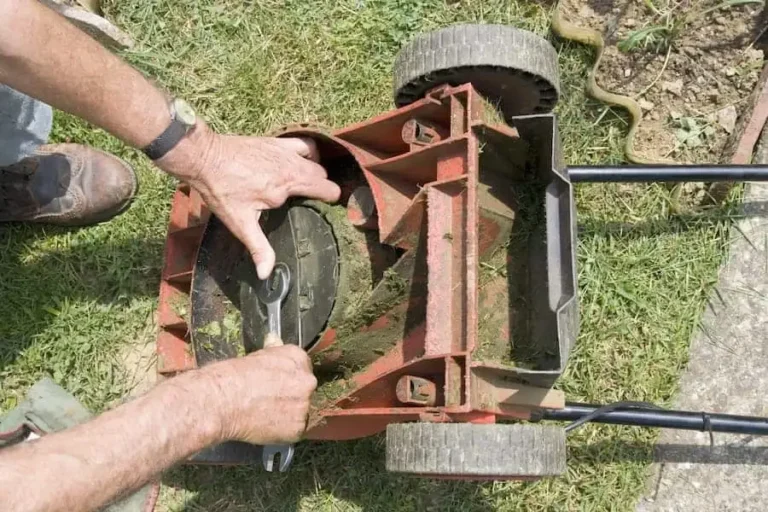
A clean underside matters more than many owners expect. Heavy clippings stuck around the deck can disturb airflow, reduce cutting quality, and make a normally smooth mower vibrate. Clean the deck only with the mower secured according to its manual, and never tip a gasoline mower with the air filter or carburetor facing downward.
A Practical Mowing Routine for an Even, Healthy Finish
A steady mowing routine gives you a cleaner cut, fewer clumps, and less strain on the Honda engine. Set the deck high enough for current grass conditions, overlap each pass slightly, choose the right clipping setup, and slow down before turns or rough patches.
Start with a mowing height around 3 to 4 inches for many cool-season lawns, then adjust for the grass type and season. Removing more than one-third of the grass blade in a single cut can stress the lawn, leave heavy clippings, and make the mower work harder.
Mow in straight, overlapping passes. Aim for an overlap of roughly 1 to 2 inches so narrow strips of tall grass don’t remain between the wheels. Change your mowing direction from time to time, such as switching from north-to-south one week to east-to-west the next, because repeated wheel tracks can press down the soil.
Grass disposal depends on the lawn and the weather. Mulching works nicely when the grass is dry and only moderately tall, bagging gives a tidy finish near patios and sidewalks, and side discharge handles tall growth with less chance of clogging.
What should you do when the grass is tall enough to bend under the deck? Raise the deck, mow at a slower walking speed, and make a second pass at the proper height instead of forcing the mower through the full height in one bite.
Wet grass deserves extra patience. Wet blades stick beneath the deck, clump inside the bag, and can leave slippery ground under your feet. If mowing can’t wait, raise the deck, use a slower pace, and check the discharge path often, but postponing the job until the lawn dries usually gives a cleaner result and reduces cleanup.
Tall grass may call for a staged cut. Make the first pass with the deck raised and the discharge pointed away from buildings, then lower the deck on the next pass if the lawn is dry enough. Never aim discharged grass toward a road, parked vehicle, window, walkway, child, or pet.
Turns are easier on the turf when you slow before reaching the end of a row. Release or reduce the drive control as needed, keep the blade engaged only where cutting is safe, and make a broad turn instead of pivoting hard on one tire. Sharp turns can scuff the lawn and make the mower feel jumpy.
Before crossing gravel, a driveway, a curb edge, or a bare patch, release the blade control and wait for the blade to stop. Keep the mower on its wheels, move across the area carefully, and reengage the blade only after the deck is back over grass.
For shutdown, move to a flat, clear spot and release the blade and drive controls. Allow the engine to stop according to the mower’s control design, then wait until every moving part has stopped before touching the bag, deck, or discharge area.
After mowing, empty the bag before clippings become heavy and damp. Brush loose grass from the handle and wheels, inspect the deck for buildup, and check the oil level when the engine is cool and the mower is sitting level.
Pro Tip: Keep a small stiff brush near the mower, not tucked under the deck. A quick brush-off after each dry mowing session prevents old clippings from turning into a hard, sour-smelling layer that takes much longer to remove later.
Fuel-powered Honda mowers also need sensible storage. Store the machine under cover, keep the fuel system maintained according to the owner’s manual, and don’t leave wet clippings packed around the deck. If the mower will sit unused for a long period, follow the manual’s fuel-storage procedure rather than guessing.
Which Honda Self-Propelled Mower Suits Different Users
The best Honda self-propelled mower is the one that matches your lawn size, terrain, cutting habits, and tolerance for maintenance. A simple machine can be the better buy for a flat suburban yard, while a feature-rich mower earns its keep on slopes, thick grass, or lawns that need frequent mulching.
A lighter, straightforward self-propelled model suits a smaller or mostly flat lawn. Fewer controls make the mower easier to learn, and a simple setup can reduce the number of adjustments that need attention. The tradeoff is that you may get fewer clipping-management choices or less flexibility in speed control.
A mower with variable-speed drive is a better fit if more than one person uses the machine or if your lawn includes slopes and tight areas. You can slow down near trees and garden beds, then pick up the pace across an open stretch. Extra controls are useful, but they also give you more parts to keep clean and adjust.
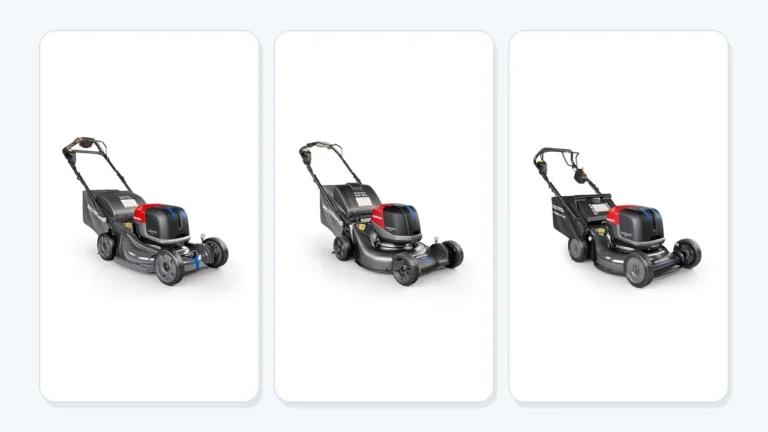
The Honda HRN-BV platform is worth comparing for homeowners who want a practical self-propelled mower with useful everyday features. A detailed Honda HRN-BV review can help you weigh its usability, limits, lawn-size fit, and value before choosing a used or remaining-stock machine.
The HRX-BV line makes more sense for someone who cares about cutting flexibility, deck design, and a more refined mowing experience. The Honda HRX-BV review is useful when you need to compare feature depth against price, added complexity, and the actual needs of your lawn.
A bagging-focused user should pay attention to how often the bag fills and how easy the bag is to remove. A small yard with light clippings may not need a large collection system, while thick spring growth can make frequent emptying a real nuisance.
A mulching-focused user should care about deck cleanliness and mowing frequency more than flashy controls. Mulching works best when you cut regularly and avoid letting grass grow far beyond the mower’s chosen height. Miss several weeks, and bagging or side discharge may be the saner choice.
On sloped ground, self-propulsion reduces pushing effort, but it doesn’t remove the need for careful footing. Mow across a slope only when the mower manual allows that direction, keep both hands on the handle, and avoid wet turf where traction can disappear without warning.
Value also depends on parts access, routine service, and how long you plan to keep the mower. I’d favor a model with controls you can operate comfortably over a fancier mower that spends most of its life parked because setup feels like a chore.
Before buying, match the machine to these real conditions:
- Flat lawn under about one-half acre: A basic self-propelled model may be plenty.
- Slopes or uneven ground: Variable speed and strong traction become more useful.
- Frequent mulching: Choose a deck and clipping system designed for repeated mulching.
- Heavy spring growth: A capable bagging or side-discharge setup can save time.
- Several operators: Easy-to-understand speed and blade controls matter more than extra features.
A mower that feels calm and predictable is easier to use safely. Walk the lawn first and remove wire, stones, toys, and branches, because even a well-built mower can’t forgive hidden debris.
FAQs About How to Use A Honda Self-Propelled Lawn Mower
What mowing height should I use on a Honda self-propelled mower?
A mowing height of about 3 to 4 inches suits many cool-season lawns, but grass type, season, shade, and drought conditions can change the best setting. Remove no more than one-third of the blade length per session. Taller settings usually protect the lawn better during hot, dry weather.
Should I mow wet grass with a Honda self-propelled mower?
You can mow wet grass in limited situations, but waiting for dry conditions usually produces a cleaner cut. Wet grass sticks beneath the deck, clogs the bag, reduces traction, and can leave uneven clumps. If mowing is unavoidable, raise the deck, slow down, and inspect the discharge area often.
How often should I clean a Honda mower deck?
Clean loose clippings from the Honda mower deck after each mowing session when practical, especially after wet or heavy grass. A deeper cleaning is needed whenever buildup affects airflow, causes vibration, or blocks the discharge path. Stop the engine and follow the owner’s manual before working near the blade.
Is bagging or mulching better for a Honda self-propelled mower?
Neither setup is always better. Mulching saves disposal work and returns fine clippings to the lawn when mowing is frequent and grass is dry. Bagging gives a neater finish during heavy growth, near walkways, or when clippings are too long to break down cleanly.
Can I use a Honda self-propelled mower on a slope?
A Honda self-propelled mower can handle some sloped lawns, but safe use depends on the mower’s manual, slope angle, surface condition, and your footing. Avoid wet slopes, keep a firm grip, move at a controlled speed, and never operate where the mower feels difficult to hold or stop.
How should I store a Honda self-propelled mower after mowing?
Store a Honda self-propelled mower under cover on a stable, dry surface after removing loose clippings and emptying the bag. Let the engine cool before checking oil or cleaning nearby parts. For long storage, follow the owner’s fuel and maintenance instructions instead of leaving old fuel in the system.
Make Your Mowing Routine Easy to Repeat
A Honda self-propelled mower works best when you treat mowing as a steady routine rather than a race. Set the height before entering the lawn, keep passes slightly overlapped, slow down for turns, and choose bagging, mulching, or discharge based on grass height and moisture.
My strongest advice is to keep the mower clean and use the controls gently. Those two habits protect the cut, reduce frustration, and make the machine feel far more predictable.
Your next step is simple: walk the lawn, remove debris, set the deck, and make one calm test pass. Once the mower tracks smoothly and leaves an even finish, repeat that pace across the rest of the yard.