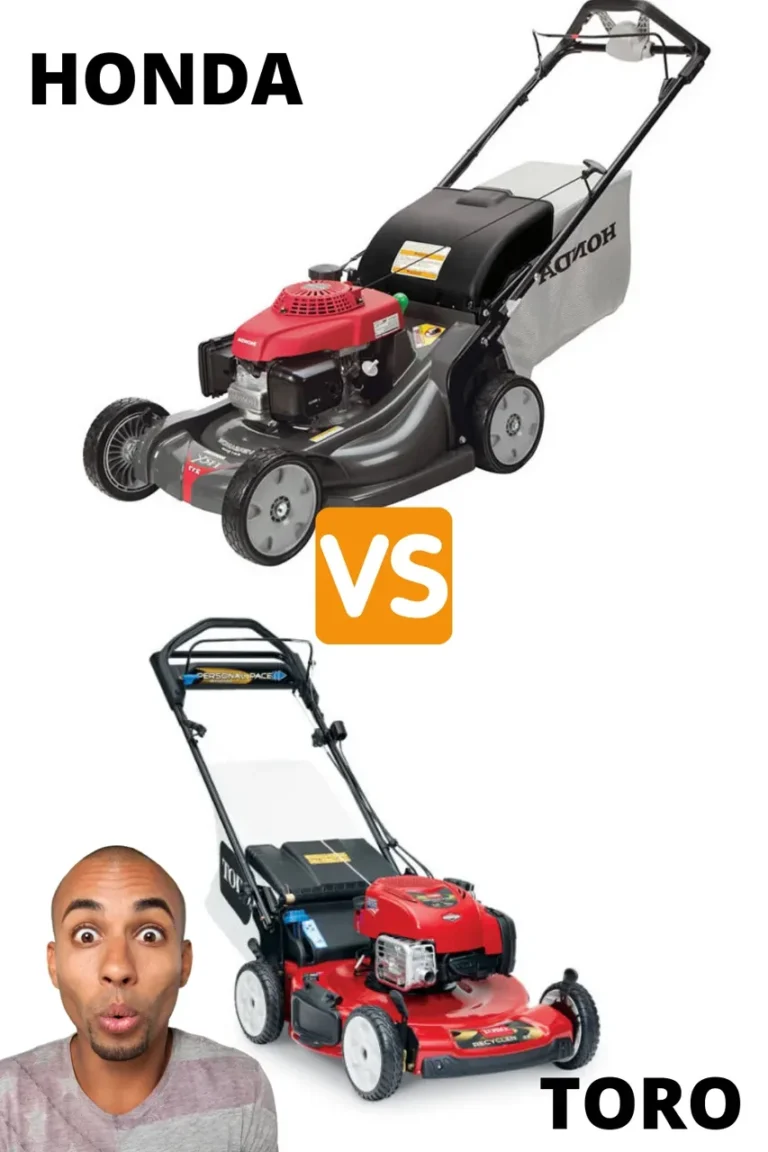
Used Honda Lawn Mower Buying Guide: Inspection and Ownership Checks
A used Honda lawn mower can be a smart buy if the engine starts cold, the deck is sound, the safety controls work, and the price matches the mower’s condition. A clean, well-maintained machine may deliver years of dependable mowing, while a neglected mower can turn a bargain into a greasy repair project.
Are you looking at a mower covered in grass clippings and wondering whether the dirt hides a serious problem? Are you trying to judge a seller’s claim that the mower “only needs a tune-up” before handing over your money?
I once bought a mower after hearing it run for less than a minute, then found that the blade brake control dragged badly and the deck had a thin rust spot near the discharge opening. The repair wasn’t dramatic, but the wasted Saturday and awkward trip for parts stung. That mistake is common, not dumb.
I wrote this guide for anyone shopping private listings, garage sales, estate sales, or local equipment shops. You’ll get a practical inspection process that works even if you don’t know much about small engines.
A careful check can save you from hard starting, smoke, oil leaks, unsafe controls, and a deck that fails halfway through the season. Skip the inspection, and a low asking price may quickly become the most expensive mower in the neighborhood.
This article takes about 12 minutes to read, and it will help you:
- Judge a used Honda mower before you start negotiating.
- Check the engine, carburetor, deck, drive system, and safety controls.
- Estimate fair value from condition instead of guessing from the badge.
- Spot repairs worth making and problems better left behind.
- Set up a newly purchased mower for reliable service.
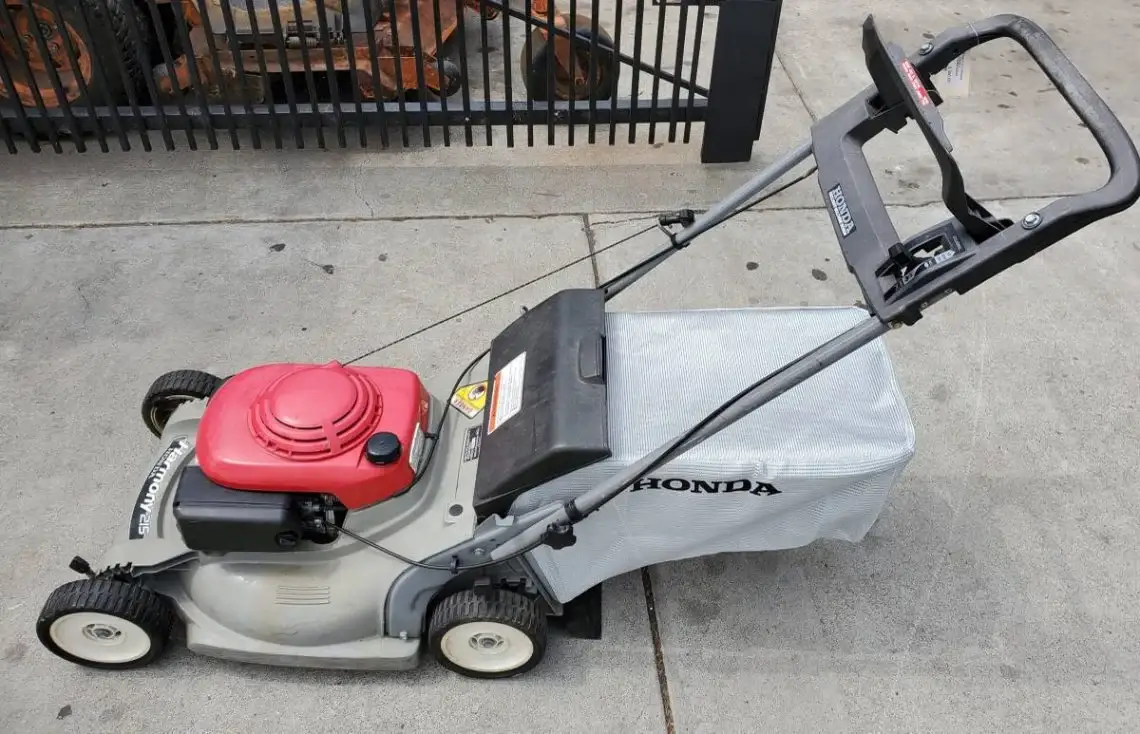
Used Honda Lawn Mower Buying Guide: the Complete Inspection Process
A used Honda lawn mower deserves a cold-start inspection, a physical deck check, a blade and control test, and a short mowing trial before purchase. Bring a flashlight, work gloves, a clean rag, a spark-plug socket, and a phone charger or small jump pack only if the seller agrees to testing without forcing the machine.
Honda sold several walk-behind mower families over the years, including push mowers, self-propelled mowers, and models with different deck materials, drive systems, and engine sizes. The model number matters, but condition matters more than a shiny housing or a familiar red cover.
Start with the seller’s description and ask how the mower behaves from cold. A mower that starts easily after sitting overnight tells you much more than one already warmed up before you arrive.
1. Confirm the model and basic history
Find the model and serial labels on the mower deck, rear frame, or engine area. Write down the model code, engine family, approximate age, and whether the machine has a side discharge, rear bag, mulch setting, or self-propel system.
Ask four plain questions:
- How long has the mower been owned?
- Where has the mower been stored?
- When was the oil last changed?
- What work has been done recently?
A seller who can answer clearly usually knows the machine. A seller who says “it ran last season” has given you a starting point, not a maintenance record.
Check whether the grass bag, discharge plug, side chute, and height-adjustment hardware are included. Replacing a missing bag or special mulch insert can eat into your budget, especially on an older model.
2. Insist on a cold start
Touch the engine cylinder or muffler before the seller starts the mower. A cold engine should feel close to outdoor temperature, not warm from a recent run.
Safety comes first. Keep fingers, loose clothing, and feet away from the blade area, and never reach under the deck with the spark-plug wire connected. Ask the seller to handle starting the mower if the controls or blade system are unfamiliar.
A healthy cold start usually needs a few pulls or a normal electric-start sequence, depending on the model. Watch for these signs:
- The engine starts without repeated choking or priming.
- The idle settles instead of racing or hunting.
- The exhaust clears after a short period.
- The engine responds when the throttle or load changes.
- The mower doesn’t puff thick blue smoke continuously.
A brief puff after storage may come from oil entering the cylinder or from a mower stored at an odd angle. Continuous blue smoke points toward oil burning, worn rings, valve-seal trouble, or an overfilled crankcase.
Black smoke usually means the engine is getting too much fuel or not enough air. A dirty air filter is cheap to fix, while a carburetor problem may need cleaning or replacement.
3. Check the oil before trusting the engine
Turn the engine off, place the mower on level ground, and check the dipstick using the procedure listed on the engine or mower label. Oil should look reasonably clean and sit between the marked levels.
Milky oil can point to water contamination. A strong gasoline smell may mean fuel has leaked past the carburetor and into the crankcase, which calls for an oil change and carburetor diagnosis before regular use.
Very low oil is a warning, not proof of engine failure. A mower may have leaked, burned oil, or simply been neglected, so inspect the drain area, crankshaft seal region, and underside of the deck for fresh wet spots.
If the oil level is far above the full mark, don’t run the mower just to prove that the engine works. Too much oil can cause smoke, poor running, or internal damage.
4. Inspect the deck and blade area
The mower deck is the shell that surrounds the blade and directs grass into the bag or discharge chute. Deck damage matters because cracks, deep corrosion, and distorted mounting points can create safety problems and poor cutting.
Remove the spark-plug wire before tipping a gasoline mower for inspection, and follow the manufacturer’s correct tipping direction. Better yet, ask the seller to lift the mower while you use a flashlight from the side.
Look for:
- Rust that has perforated the metal.
- Cracks around the blade spindle or engine mount.
- Bent edges that prevent proper height adjustment.
- Grass packed into wet, hard layers.
- Oil or fuel residue around the blade shaft.
- A blade that sits visibly off-center.
A little surface rust is usually manageable with cleaning and paint. A hole near the blade spindle is a different animal because the deck may no longer hold the engine and blade assembly securely.
Spin the blade by hand only with the spark-plug wire removed and the fuel situation handled safely. The blade should rotate with normal resistance, without grinding, side-to-side wobble, or a sharp metallic scrape.
5. Test the blade brake and safety controls
Many Honda walk-behind mowers use a flywheel brake, a safety system that stops the blade and engine when the operator-control bar is released. The exact setup varies by model, so learn the control action before testing.
Start the mower in an open area with sturdy shoes and clear footing. Release the operator-control bar, and confirm that the blade stops promptly and the engine responds as the mower’s design requires.
Never buy a mower with a bypassed, tied-down, or missing safety control. A seller may describe the modification as convenient, but the control exists to stop the blade when you let go.
Check the handle, cable routing, and cable housings for damage. A bent handle can make the mower uncomfortable, while a frayed cable can stick, fail, or become more expensive after the first few uses.
6. Test self-propel drive under load
A self-propel system should engage smoothly and move the mower at a steady pace. Test it on grass or a gentle slope, not only on a driveway where the wheels have little resistance.
Listen for clicking, slipping, grinding, or a whining transmission. A drive belt, cable, or wheel gear may be replaceable, while a worn transmission can cost enough to change the buying decision.
Push the mower with the drive disengaged. Each wheel should roll without a locked bearing or a tire that wobbles badly on its axle.
Check the speed-control lever across its range. A mower that moves only at full speed may still cut grass, but it can be tiring in tight yards and troublesome around beds or fences.
7. Run the mower through a short cutting test
A cutting test tells you more than a driveway demonstration. Cut a small patch of grass at a normal height, then check whether the mower leaves standing blades, windrows, clumps, or an uneven finish.
A dull blade can cause many cutting complaints, so don’t condemn the whole mower from one rough strip. The engine should still maintain speed without bogging badly as the blade meets grass.
Listen for engine surging when the bag fills or the grass gets thick. Some loss of speed is normal under load, but a large drop can point to a dirty air filter, restricted carburetor, dull blade, poor fuel, or low engine power.
How Much Should You Pay for A Used Honda Mower?
A used Honda mower is worth what the condition, equipment, local demand, and repair risk support, not what the seller originally paid. A running push mower with a rusty deck may be worth less than a clean self-propelled model with a working bag, even if both carry similar engine badges.
The used Honda mower value depends on several practical details:
- Model and engine family.
- Push or self-propelled drive.
- Deck material and rust condition.
- Working bag, chute, and mulch parts.
- Cold-start behavior.
- Maintenance history.
- Tire, cable, blade, and spindle condition.
- Local supply during mowing season.
Use the table as a starting framework, not a promise of a specific sale price. Local prices can shift with season, storage quality, and whether the mower is ready to cut grass today.
| Condition | Typical Asking Range | What You’re Really Buying |
|---|---|---|
| Non-running project | $25–$100 | Parts, repair practice, or a risky engine diagnosis |
| Running push mower with flaws | $75–$180 | Basic cutting with possible blade, cable, or cleaning work |
| Clean running push mower | $150–$300 | A simple mower with fewer immediate repairs |
| Running self-propelled mower | $200–$450 | More comfort, plus drive-system risk |
| Excellent older mower with full equipment | $300–$600 or more | Strong condition, useful accessories, and local demand |
A mower priced at $250 with a missing bag, slipping drive, and cracked deck is not really a $250 mower. Add replacement parts and your time, then compare the total with a ready-to-use machine.
The best Honda walk-behind options aren’t automatically the newest or most expensive models. A simpler push mower may suit a small, flat yard better than a self-propelled mower with extra cables, pulleys, wheels, and transmission parts.
Adjust the price for repair risk
Make a quick repair list before negotiating. Write down the cost of a blade, air filter, spark plug, oil, bag, drive cable, tires, and any missing hardware.
Small maintenance items shouldn’t scare you away from a good machine. A mower that needs an oil change and blade sharpening is different from one that has low compression, a cracked deck, and a slipping drive.
A rough pricing formula works well:
Fair price = local value of a ready mower minus parts, repair labor, missing equipment, and risk.
Keep a cash cushion for parts that aren’t obvious during a short inspection. A carburetor may look clean outside while varnish inside causes hard starting after the mower sits for a week.
Know what seller claims mean
“Just needs a tune-up” can mean a dirty air filter, or it can mean the owner hasn’t diagnosed a major fault. Ask the seller to show the mower starting cold instead of accepting a broad promise.
“Was running last year” is not the same as “starts and cuts today.” Old gasoline can gum up a carburetor, stale fuel can damage seals, and long storage can hide a weak ignition system.
“I don’t have time to test it” should lower the price sharply. A non-running mower can still be worth buying, but the price should reflect a possible carburetor, ignition, compression, or engine replacement problem.
Pro Tip: Bring a small magnet if the deck appears painted over. A magnet won’t tell you whether the deck is safe, but a weak pull near a suspicious repair can reveal body filler or a heavily patched area.
Common Problems and Ownership Checks
The most common used Honda mower problems involve stale fuel, neglected oil, dirty air filters, worn drive parts, damaged decks, and safety controls that have been ignored. Most faults are easy to spot if you inspect the mower as a complete system instead of focusing only on the engine.
I once spent an afternoon chasing a “bad carburetor” complaint that turned out to be a clogged air filter packed with dust and dry grass. The engine sprang back to life after the filter was replaced, which taught me to check simple air and fuel problems before assuming an expensive failure.
Engine and fuel problems
Gasoline left in a mower can lose quality and leave sticky deposits in the carburetor. Hard starting, surging, stalling, and poor throttle response often point to fuel delivery trouble.
Check the fuel tank for rust, sediment, or a sharp varnish smell. Look at the fuel line for cracks, and watch for wetness around the carburetor after the engine runs.
A carburetor meters fuel and air into the engine. A dirty carburetor may need cleaning, a gasket kit, or replacement, but the repair makes less sense if the mower also has low compression or a rusted deck.
Check the air filter housing and filter element. A paper filter that is dark, oily, crushed, or clogged should be replaced rather than washed.
Starting and ignition faults
A weak spark plug can cause hard starting, though a new plug won’t fix every ignition problem. Inspect the plug wire, boot, and coil area for cracks, oil, or damage from rodents.
Listen to the starter rope. A smooth pull with firm resistance is normal, while a rope that jerks violently or pulls with almost no resistance deserves more investigation.
Low compression may show up as an unusually easy pull, poor starting, or an engine that dies under load. Compression testing can help, but a proper diagnosis may require a small-engine technician.
Drive and wheel problems
Self-propelled mowers add comfort and complexity. Worn drive wheels, stretched cables, damaged belts, and tired transmissions can make a mower feel weak even when the engine runs well.
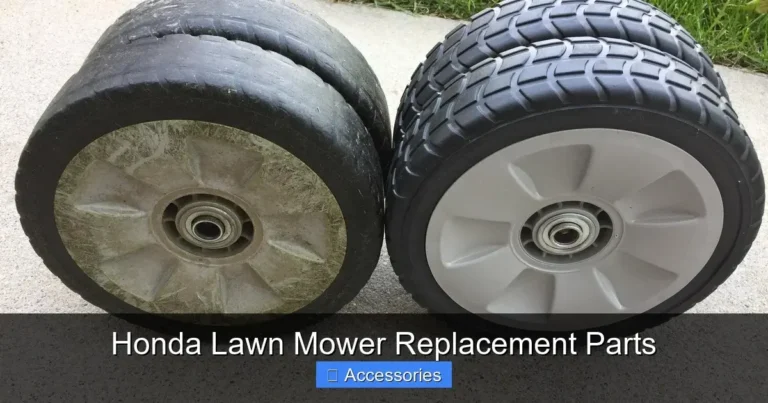
Inspect the wheels for missing tread and cracked hubs. Lift each wheel slightly and check for side play, grinding, or an axle that looks bent.
On a slope, a weak drive system becomes a safety and comfort concern. A mower that crawls on flat ground may stop helping once the grass gets thick or the yard tilts upward.
Deck, blade, and cutting problems
A blade should be straight, securely mounted, and free from deep cracks. A blade with a thin edge can usually be sharpened, while a bent or damaged blade should be replaced.
Check the blade-adapter area for damage. The adapter transfers engine power to the blade, and a worn or cracked part can create vibration.
Heavy vibration deserves immediate attention. It may come from a bent blade, damaged adapter, loose mounting hardware, bent crankshaft, or a deck problem.
Bagging and discharge issues
A clogged bag can make a healthy mower leave clumps. Hold the bag toward a bright area and check whether air can pass through the fabric.
Inspect the discharge chute for cracks, missing fasteners, and grass buildup. A missing plug or damaged chute can change how the mower handles clippings and may create a mess across sidewalks.
A mower that mulches well may not bag well if the blade, deck baffle, or bag fabric is wrong for that model. Confirm that the accessories match the mower before assigning them much value.
When repair makes sense
The question “is the mower worth repairing?” depends on the full repair list, not one broken part. Repairing a Honda mower usually makes sense when the engine starts, the deck is solid, and the needed work involves normal service parts.
I’d repair a clean mower with a healthy engine if the repair cost stays comfortably below the price of a comparable ready-to-cut machine. I wouldn’t pour money into a mower with a perforated deck, weak compression, unsafe controls, and a failing drive system all at once.
Ask yourself:
- Does the engine run steadily under load?
- Is the deck strong around the blade and engine mounts?
- Can the safety controls be restored properly?
- Are replacement parts easy to source?
- Will the finished mower fit your yard and mowing habits?
A $40 blade and service kit can rescue a good machine. A $300 transmission repair on a heavily rusted mower usually changes the math.
Is Honda quality enough to justify a used purchase?
The question “is a Honda lawn mower good?” has a practical answer: Honda mowers can offer strong engine performance and good cutting behavior, but age, maintenance, deck condition, and parts availability still control the ownership experience. Honda mower reliability doesn’t cancel out years of neglect.
A well-kept mower may start easily and handle thick grass with little drama. An abused mower with the same badge can have brittle cables, worn wheels, rust, fuel problems, and expensive model-specific parts.
I’d choose a clean older Honda over a newer bargain mower with a weak deck or poor controls. I’d also choose a simple push model for a small flat yard because fewer moving parts mean fewer repairs.
Important Tip: Never buy based on the engine name alone. A strong engine bolted to a failing deck is still a poor mower, much like putting a powerful motor in a bicycle with square wheels.
What to Do After Buying A Used Honda Mower
A newly purchased used Honda mower should receive fresh fuel, fresh oil, a clean filter, a sharp blade, and a safety check before regular mowing. Starting with known service items gives you a clean baseline and helps reveal problems hidden by the previous owner’s maintenance habits.
Complete the first service
Park the mower outside on a stable, level surface. Keep gasoline away from cigarettes, pilot lights, sparks, hot mufflers, and enclosed rooms.
Use the correct oil type and fill amount listed on the mower or engine information. Overfilling can cause smoke and poor running, while underfilling can damage the engine quickly.
Replace or clean the air filter according to its design. Replace the spark plug if the plug is worn, fouled, cracked, or coated with heavy deposits.
Drain questionable gasoline into an approved fuel container and handle disposal according to local rules. Fresh fuel reduces hard starting, though stale fuel may have already left deposits that still need cleaning.
Service the blade safely
Disconnect the spark-plug wire before touching the blade area. Wear cut-resistant gloves, and don’t hold the blade with a bare hand even when the edge looks dull.
Sharpen the blade evenly and preserve its balance. An unbalanced blade can shake the mower and stress the crankshaft.
Replace a blade that is cracked, badly bent, deeply nicked, or worn thin. Sharpening a damaged blade is false economy and can create a dangerous failure.
Clean without creating new problems
Brush dry grass from the deck and cooling fins. Avoid directing a pressure washer at bearings, cable housings, electrical connections, seals, and the carburetor area.
A wooden scraper works better than a screwdriver for removing packed clippings from many deck surfaces. Don’t gouge painted metal or force debris into the spindle area.
Lubricate pivot points only with a product suited to the part. Excess oil attracts dust and grass, creating a gritty paste that wears moving joints.
Set a maintenance rhythm
Record the date and work completed on a note attached to the mower or in your phone. The next owner may not be you, and a basic record improves future decisions.
Use these habits:
- Check the oil before regular mowing.
- Clean grass from the deck after use.
- Inspect the blade and hardware during service.
- Store the mower under cover and away from standing moisture.
- Use fresh fuel and avoid letting gasoline sit through long storage.
- Check cables and safety controls before the first spring cut.
A mower used weekly in damp grass needs more cleaning than a mower used occasionally on a dry suburban lawn. Your yard, climate, grass type, and storage space all affect the service schedule.
Key Takeaways:
- A cold start tells you more than a warm demonstration.
- A solid deck and working safety controls matter as much as engine performance.
- Self-propel drive adds comfort, but it also adds repair risk.
- Subtract likely repair costs from local ready-to-use value before negotiating.
- Service fuel, oil, filter, blade, and safety controls before regular mowing.
FAQs About Used Honda Lawn Mower Buying Guide
How many hours can a used Honda lawn mower last?
A used Honda lawn mower can last many seasons, but there isn’t a dependable hour count for every model. Oil changes, clean air filters, dry storage, blade balance, mowing conditions, and deck corrosion matter more than the age printed on a listing. A neglected mower may fail early, while a maintained mower can remain useful for years.
What should I check first on a used Honda lawn mower?
Check whether the engine is cold before starting, then inspect the oil, exhaust, deck, blade area, and safety controls. The first few minutes can expose major problems quickly. A mower that starts cold, runs steadily, stops correctly, and has a solid deck deserves a closer price discussion.
Is a self-propelled Honda mower worth buying used?
A self-propelled Honda mower can be worth buying used when the drive engages smoothly, the wheels are sound, and the transmission doesn’t grind or slip. Self-propel systems add comfort on slopes and larger yards, yet worn belts, cables, wheel gears, and transmissions can raise repair costs.
How can I tell if a Honda mower has low compression?
Low compression may cause an unusually easy starter-rope pull, hard starting, weak power, or stalling under load. Those signs can have other causes, including fuel or ignition trouble. A compression test and professional diagnosis give a better answer than judging the rope feel alone.
Should I buy a used Honda mower that smokes?
A used Honda mower that gives a brief puff may only need correct oil level or a service check. Continuous blue smoke points toward oil burning and deserves a lower price or a pass. Black smoke often suggests an air or fuel problem, which may be less costly to repair.
What is the safest way to inspect the blade?
Disconnect the spark-plug wire before touching or moving the blade area, wear sturdy gloves, and follow the mower’s correct tipping direction. Never rely on the operator-control bar as protection while inspecting underneath. A damaged blade, loose hardware, or bent adapter calls for replacement before mowing.
Make the Purchase on Condition, Not the Badge
A used Honda lawn mower can be a terrific practical purchase when the engine starts cold, the deck is strong, and the safety system works as designed. My preference is a clean, straightforward mower with a clear repair list over a polished listing that hides smoke, rust, or missing parts.
Take a flashlight, ask for a cold start, test the mower under load, and write down every repair before naming your price. If the machine passes those checks and the total cost stays below a comparable ready-to-use mower, you’ve likely found a sensible buy rather than a headache with wheels.