Is Honda Stopping Lawn Mower Production? Gas, Battery and Current Models
Yes. Honda stopped making walk-behind gas lawn mowers at its U.S. plant in September 2023, but that doesn’t mean every mower vanished from stores or that owners lost access to parts and service. Existing inventory may still be available, and Honda dealers can advise on maintenance and support for models already in use.
Have you been trying to buy a Honda mower and found empty shelves, old listings, or prices that don’t make sense? Are you wondering if your current Honda will become a costly paperweight?
I’ve watched buyers assume a discontinued mower must be impossible to repair, then pass up a good used machine with a healthy engine. I’ve also seen the reverse: someone paid a premium for an old mower without checking the deck, drive system, or parts situation first. That kind of mix-up is common, not a dumb mistake.
I wrote this to sort out what Honda’s production decision means for U.S. shoppers and owners, without treating “stopped production” as the same thing as “stopped all support.” You’ll get the key dates, what may still be sold, what to check before buying, and how to choose a sensible alternative.
If you get the details straight, you can avoid overpaying, keep a sound mower running, and choose a replacement that suits your yard. Skip the checks, and you could wind up with a worn machine, missing parts, or a battery mower that can’t handle your grass.
This takes about 11 minutes to read. By the end, you’ll know:
- What Honda stopped making and what it didn’t.
- How dealer stock, repair support, and parts fit into the picture.
- What to check when buying a remaining or used Honda mower.
- How to compare gas and battery replacements for your yard.
Is Honda Stopping Lawn Mower Production? the U.S. Gas-Mower Answer
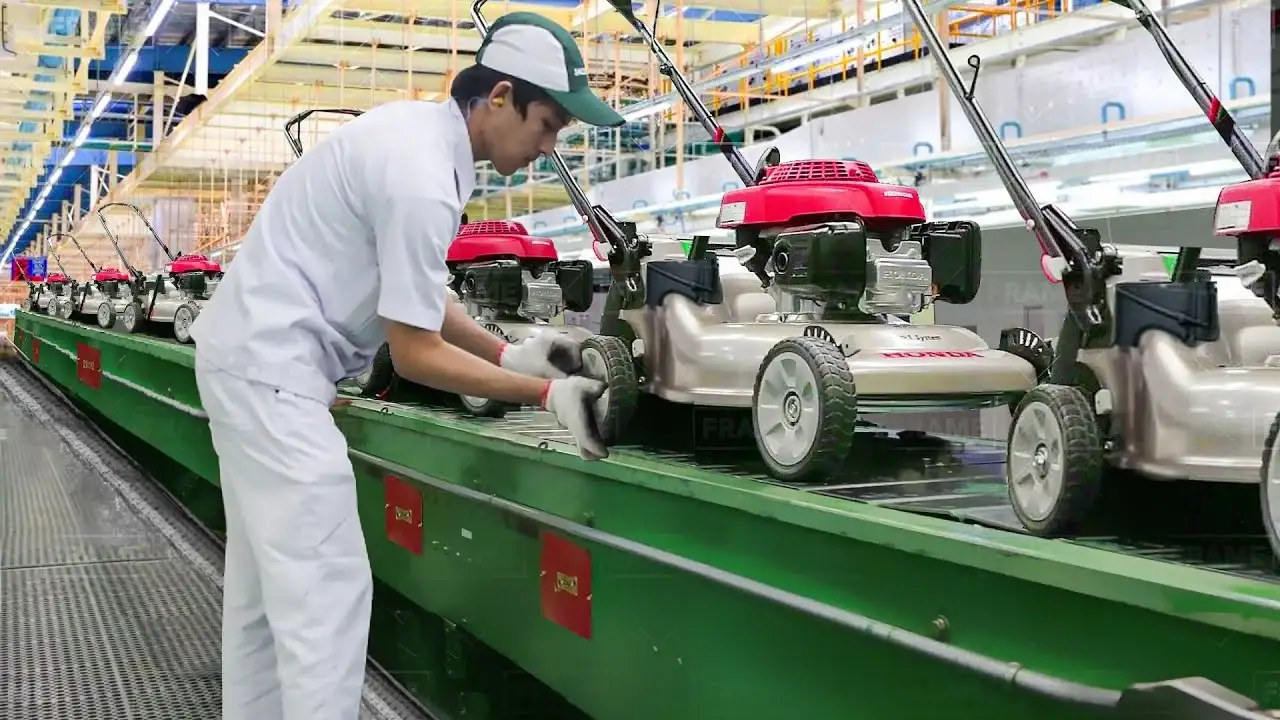
Honda stopped production of walk-behind gas lawn mowers at its U.S. manufacturing plant in September 2023. The announcement concerned mower production, not an instant shutdown of sales, repair shops, replacement parts, or Honda’s entire outdoor power equipment business.
The practical distinction is production versus availability. A store can sell a mower made before production ended, and a dealer can service a mower that Honda no longer builds. A listing online doesn’t prove a model is still being manufactured, so check the seller’s stock status and ask whether the machine is new, used, or old inventory.
Honda’s announcement also doesn’t mean every Honda mower in the world was affected in the same way. The decision was about U.S. walk-behind gas mower production, and product offerings can vary by country, dealer, and time. If you’re outside the United States, check the local Honda Power Equipment dealer rather than assuming the U.S. change applies to your market.
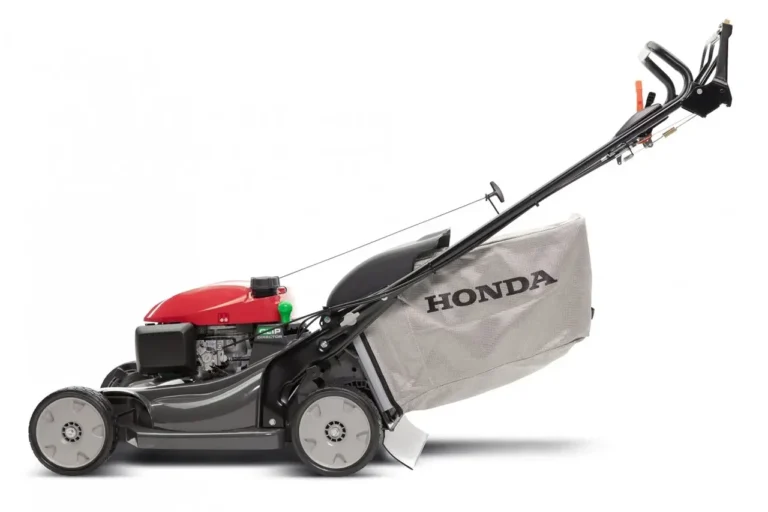
The company’s mower line included walk-behind gas models, such as the HRN and HRX families. Those model names may still turn up in dealer listings and used-market ads, but a listing is not proof of current production. If you’re trying to sort out the model names, Honda mower model ranges can help distinguish product families and older machines.
| Question | Practical answer |
|---|---|
| Did Honda stop U.S. walk-behind gas mower production? | Yes, production at its U.S. plant ended in September 2023. |
| Did every Honda mower disappear immediately? | No. Dealer inventory and used machines may remain available. |
| Does a production stop automatically end repairs? | No. Ask a Honda dealer about support and parts for the specific model. |
| Does this prove Honda stopped making every small engine? | No. Mower production and engine production are separate questions. |
| Does Honda currently offer a replacement battery walk-behind mower in the U.S.? | Don’t assume so. Check current local Honda listings and dealer stock. |
Honda’s decision shouldn’t be read as a blanket statement about all products carrying the Honda name. A company can stop building one category while continuing other equipment, selling existing stock, or supporting products already in customers’ garages.
People often use “Honda mower production” to mean three different things: the manufacture of complete mowers, the manufacture of engines, and the availability of equipment for purchase. Those aren’t interchangeable. The question of Honda mower engine production is separate from whether Honda is building complete walk-behind mowers in the U.S.
The same care applies to “current model.” A mower can appear on an old product page, in a dealer’s inventory system, or in a marketplace ad after production stops. Ask the seller for the model number, serial number, manufacturing label, and a clear statement about whether the mower is new old stock or previously owned.
Pro Tip: If a seller calls a mower “brand new,” ask whether it has ever been started, how it was stored, and whether it includes the original warranty paperwork. New old stock can be unused yet still have old fuel-system parts or a warranty that began earlier than you expect.
What Honda’S Production Stop Means for Buyers and Owners
Honda’s production stop changes how you should shop, but it doesn’t make every Honda mower a bad buy. Buyers need to weigh condition, price, local service, parts access, and whether a comparable mower fits their yard.
If you own a Honda already, start with the mower’s exact model and serial number. They identify the machine more reliably than a seller’s shorthand or a faded sticker that says only HRX. Give those numbers to a dealer before ordering parts or booking service, because similar-looking models can use different components.
A production stop doesn’t automatically mean a repair is impossible. Common service work, such as blade sharpening, oil changes, air-filter replacement, and cleaning, can remain routine, while less common model-specific parts may take more effort to locate. A dealer can tell you what’s available for your exact machine; don’t assume a part will fit just because an online photo looks right.
If you’re shopping for a remaining new mower, compare the real out-the-door cost with the cost of a current alternative. Include delivery, assembly, warranty terms, and the nearest place that will service the mower. A discount can disappear quickly if the machine needs work before its first cut.
Used Honda mowers can still make sense when the machine is in good shape and the price reflects its age. Check the deck for deep rust or cracks, test the drive system, inspect the wheels, and ask for a cold start. A mower that starts easily after sitting overnight tells you more than one already warmed up for a quick sales demonstration.
I once focused too much on an engine that started cleanly and nearly missed a drive problem that showed up only after the mower had been moving for a while. The seller’s smooth first run made the machine feel like a sure thing, but I should’ve tested the controls and wheels before getting attached. A nice start is encouraging, not a full inspection.
When you test a used mower, check these points:
- Cold start: Ask the seller not to warm it up before you arrive.
- Engine behavior: Listen for uneven running, smoke, or repeated stalling.
- Blade and deck: Look for damage, heavy corrosion, and signs of a hard impact.
- Self-propel system: Test forward movement and speed controls on level ground.
- Safety controls: Confirm that the blade stops as expected when the handle control is released.
- Service history: Ask about oil changes, blade work, and recent repairs.
- Parts and service: Call a nearby dealer with the model number before you buy.
A walk-behind mower also isn’t the same product as a riding mower or a zero-turn machine. If you have a large property and are considering moving up from a push mower, check the specific product category rather than assuming Honda’s walk-behind change answers every question about riding equipment. The separate question of Honda zero-turn and riding mowers needs its own model and market check.
Where an engine was made can matter to a buyer comparing products, but the brand name alone doesn’t answer that. Manufacturing locations may vary by engine model and production period, so check the engine label or ask the dealer about the exact unit. A guide to Honda mower engine origins can help you know which identification details to look for.
Important Tip: Don’t order a blade, carburetor, or drive part from a generic photo match. Confirm compatibility using the full mower model and serial range, then check the part number with a dealer or trusted parts seller.
If you need a replacement now, focus first on what the mower must do. A small, flat lawn may be easy work for a battery mower, while thick grass, a large lot, or long mowing sessions can make runtime and charging a bigger part of the decision. A Honda nameplate doesn’t matter as much as a mower that handles your actual yard without a daily wrestling match.
For someone intent on buying a Honda walk-behind, compare the exact machine and seller rather than relying on a broad “best Honda” label. Honda walk-behind mower comparisons can help frame the differences among mower families, but confirm present availability with a local dealer before making a trip.
My view is that condition and support matter more than a discontinued badge. I’d pay a fair price for a clean, correctly maintained machine with a service option nearby; I wouldn’t pay a premium just because a seller says it’s the last one.
Gas, Battery, and Replacement Choices After Honda’S Decision
The right replacement depends on yard size, grass conditions, storage, and how often you want to handle fuel or charging. Gas mowers suit long sessions and demanding cuts, while battery mowers can be quieter and simpler for smaller jobs, provided their runtime and cutting ability match your lawn.
| Choice | Often suits | What to check before buying |
|---|---|---|
| Remaining Honda gas mower | Buyers set on a Honda walk-behind and able to find supported stock | Model year, condition, warranty, dealer service, and parts |
| Used Honda gas mower | Buyers comfortable checking a used machine and budgeting for repairs | Cold start, deck, drive system, parts access, and service records |
| Another gas mower | Larger lawns, thick grass, or longer uninterrupted mowing | Engine support, deck size, drive type, storage, and local service |
| Battery mower | Smaller or moderate lawns with manageable charging needs | Battery runtime, included battery capacity, charger, and replacement cost |
| Lawn-service or shared-equipment option | People who mow infrequently or don’t want to store a mower | Regular cost, scheduling, and whether the arrangement fits your property |
A battery mower runs on rechargeable packs instead of gasoline. That can remove fuel storage and reduce routine engine tasks, but the battery has to last through your mowing session, and charging time matters if one charge isn’t enough.
Don’t choose by the biggest runtime number printed on a box. Runtime changes with grass height, moisture, blade condition, terrain, and how hard the motor works. A dry, regularly cut lawn is easier on a battery than tall, damp grass that clumps under the deck.
For battery models, compare the entire setup, not just the mower body. Check whether the advertised package includes a battery and charger, how many batteries you’ll need for your lawn, and whether the battery fits other tools you already own. Those details can make a seemingly lower-cost mower more expensive than it first appears.
Gas still has a practical advantage for some yards: you can refuel and keep going without waiting for a battery to charge. The tradeoff is fuel handling, engine maintenance, noise, and seasonal storage. If you have a large lot and routinely mow thick grass, those factors may be worth the extra upkeep.
Battery power has its own tradeoffs. You avoid mixing or storing gasoline and may find the mower easier to start, but you’ll need to plan around charge level and battery condition. If your yard has several steep slopes or dense growth, test the model under conditions close to your own before committing.
Pro Tip: Measure your lawn by area if you can, then think about the longest uninterrupted mowing session you actually need. A modest yard with a long, narrow layout can take longer than a compact, square lawn with the same area.
Deck width is another buying detail that’s easy to overlook. A wider deck can reduce the number of passes, but it may be awkward around tight gates, garden beds, and narrow storage spaces. Measure the smallest opening along the path from your garage to the lawn, not just the lawn itself.
Self-propulsion can help on slopes and larger lawns, though it adds weight and mechanical parts. A push mower may be simpler on a small, flat lot. If you’re comparing models, test the handle height and control feel in person; a mower can look comfortable in a photo and feel clumsy after ten minutes.
The deck’s cutting height matters, too. Grass that’s regularly maintained is easier to cut than a lawn left long between mowings, and cutting too low can leave a ragged result. Check that the mower offers a height range suited to your grass and that changing the setting isn’t a knuckle-busting chore.
Think about the whole ownership cycle:
- Where the mower will sit when it’s not in use.
- Whether you can safely store gasoline or charge a battery there.
- How easy it is to reach a repair shop.
- Whether you can lift or maneuver the mower comfortably.
- How often your lawn needs cutting during the growing season.
Don’t compare a new battery mower with an old gas mower using purchase price alone. Add the battery and charger if they’re sold separately, then consider fuel, routine maintenance, and any likely repairs. You don’t need a perfect lifetime-cost spreadsheet; a fair side-by-side estimate is enough to spot a false bargain.
A buyer with a short, flat lawn may reasonably favor convenience and low noise. Someone cutting a large, thick lawn may put greater weight on runtime, drive performance, and the ability to keep going. There isn’t one replacement that’s right for every yard, and a dealer’s recommendation is most useful when you give them the lawn’s size, terrain, and storage limits.
If you decide to buy a remaining Honda, check the warranty terms in writing and ask who will handle service locally. If you choose another brand, check those same details. A mower is a machine you’ll need to maintain, not a one-time purchase that stays trouble-free by magic.
FAQs About Is Honda Stopping Lawn Mower Production
When did Honda stop making lawn mowers in the United States?
Honda ended production of walk-behind gas lawn mowers at its U.S. plant in September 2023. That date refers to production, not the day every retailer stopped selling mowers. Existing dealer inventory and used machines may remain available, but current stock depends on the seller and local market.
Can I still buy a new Honda lawn mower?
Yes, a dealer may still have new old stock, meaning a mower made before production ended but not yet sold. Ask when the mower was manufactured, whether it has been started or assembled, and what warranty applies. A web listing alone doesn’t confirm current stock or warranty status.
Will Honda still repair my lawn mower?
A production stop doesn’t automatically end repair support for a mower already in use. Contact a Honda Power Equipment dealer with the complete model and serial number, then ask about parts availability and service for that exact machine. Support can differ by model, part, and location.
Did Honda stop making all lawn mower engines?
No conclusion about every Honda engine follows from the walk-behind mower production decision. Complete mower production and engine production are separate topics, and engines may serve other equipment or markets. Check the exact engine model and current product information rather than treating the mower announcement as a statement about every engine.
Is a used Honda mower still worth buying?
Yes, a used Honda can be a sensible buy when the machine is sound, priced fairly, and serviceable near you. Check the deck, drive system, safety controls, and cold-start behavior, then verify parts availability before paying. A familiar brand won’t make worn components or deferred maintenance disappear.
Should I buy a battery mower instead?
A battery mower can suit a smaller or moderate lawn if its runtime, deck, and cutting ability fit your grass and terrain. A large or demanding lawn may call for more runtime or a different machine. Compare the included battery, charger, replacement battery cost, and local service before choosing.
Make the Choice That Fits Your Yard
Honda’s U.S. walk-behind gas mower production ended, but a production stop isn’t the same as an immediate end to sales, repairs, or ownership. A Honda mower can still be a reasonable purchase if the exact machine is in good condition, its price makes sense, and you’ve checked local parts and service.
I’d start with the job, not the badge. Write down your lawn’s rough size, the steepest section, the narrowest gate, and where the mower will live. Then compare a verified Honda in stock with a suitable gas or battery alternative, including warranty and service.
That small bit of homework can save you a frustrating return trip, a costly repair surprise, or a mower that never quite suits your yard.