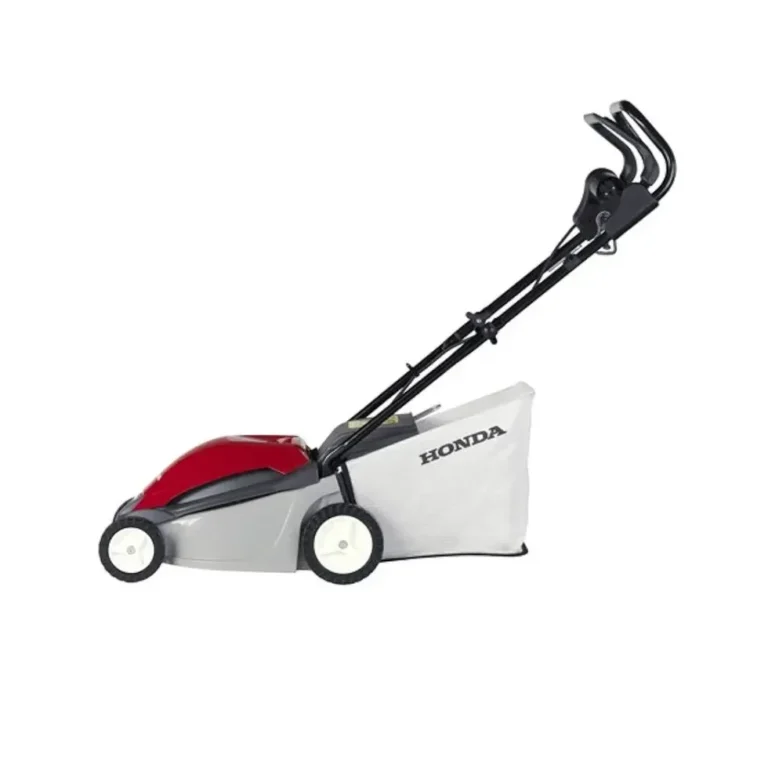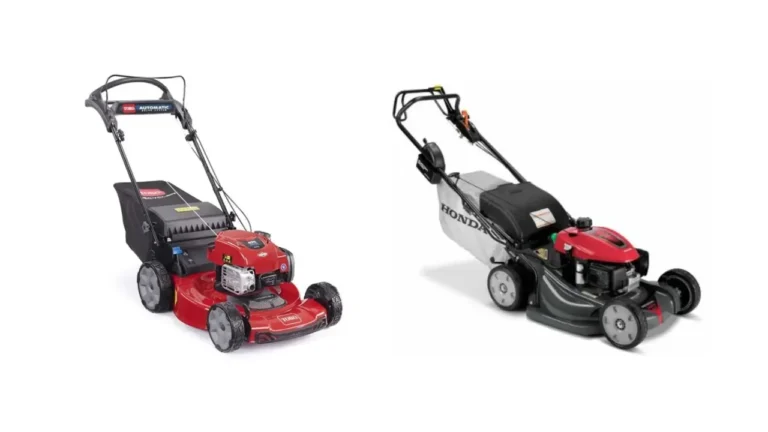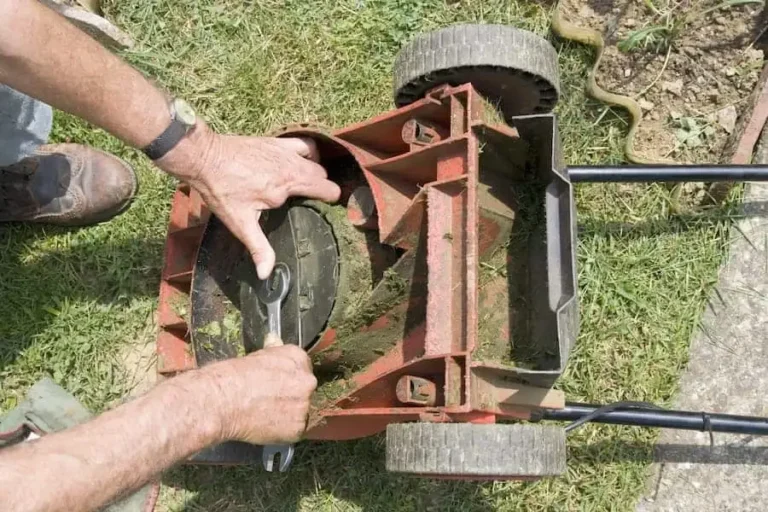
How to Winterize a Honda Lawn Mower: Fuel, Cleaning and Storage
To winterize a Honda lawn mower, clean the deck, deal with the fuel, change the oil if needed, protect the blade and controls, then store the mower dry and covered in a safe place. The right method depends on whether your Honda mower has a gas engine or a battery pack, but both versions need a clean, dry, sheltered resting spot.
Does your mower cough, stall, or refuse to start after sitting all winter? Are you worried that old gasoline, damp grass packed under the deck, or a frozen battery will turn a simple spring chore into an expensive repair?
I once put a gas mower away after a late-season cut with wet clippings still stuck beneath the deck. By spring, the mess had hardened like papier-mâché, and I spent far too long scraping around a dull blade before the mower would run properly again; that’s a common mistake, not a dumb one.
I wrote this guide for anyone who wants a clean handoff from fall storage to an easy spring start. You’ll get a practical process that works across common Honda walk-behind mower setups, with the spots that need extra care called out plainly.
Do the job right, and you’ll reduce starting trouble, rust, stale-fuel damage, and battery wear. Skip the basics, and you may face a clogged carburetor, corroded deck hardware, a dead battery, or a mower that shakes when the grass grows back.
This takes about 11 minutes to read, and the steps below will help you:
- Choose between stabilizing fuel and draining the fuel system.
- Clean the mower deck without putting yourself near a moving blade.
- Protect the engine, blade, cables, wheels, and battery during storage.
- Pick a dry storage location and avoid common spring-start mistakes.
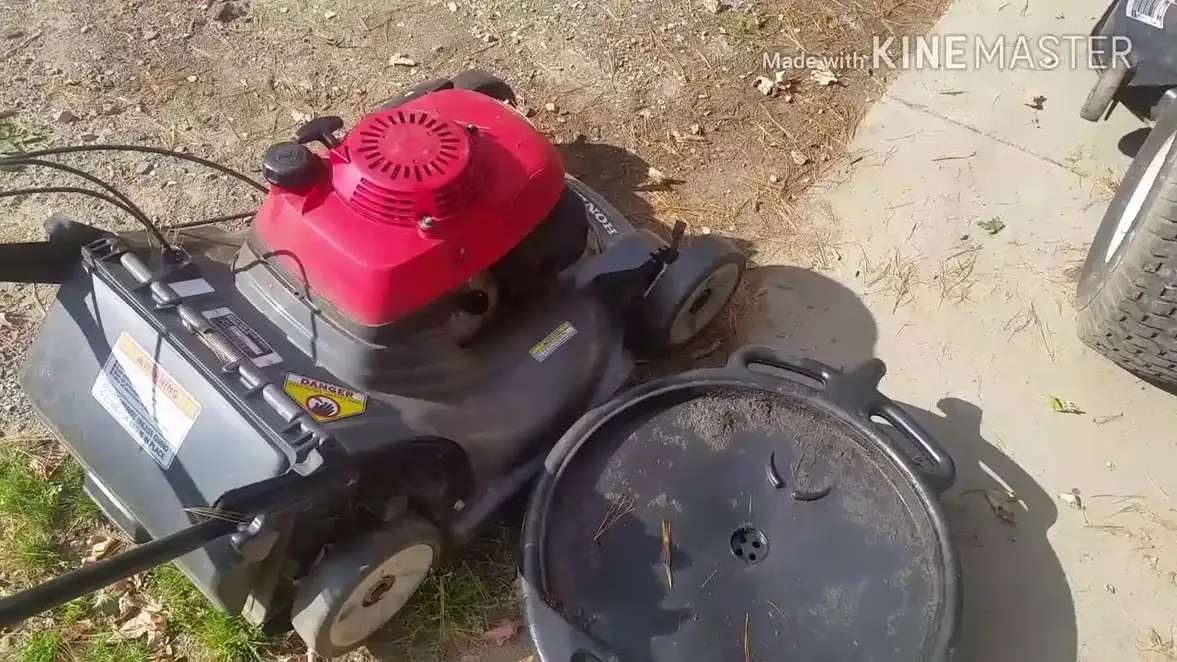
How to Winterize A Honda Lawn Mower
Winterizing a Honda lawn mower means removing grass and moisture, preparing the fuel system, servicing the engine, and storing the machine in a dry, protected position. A gas mower usually needs fuel attention and an oil check, while a battery mower needs battery care, charger care, and protection from damp conditions.
Before touching the mower, park it on a firm, level surface. Turn the engine off, remove the ignition key if the model has one, disconnect the spark plug wire from the spark plug on a gas model, and remove the battery pack from a cordless model.
That spark plug wire matters because a mower can sometimes turn over if the blade or engine is moved by hand. Keep your fingers away from the blade even when the engine seems completely dead.
Follow these steps in order:
- Let the mower cool fully. Hot engine parts can ignite spilled fuel and can burn skin.
- Remove the grass catcher and wash it. Shake out clippings, rinse the fabric or plastic as the material allows, and let the catcher dry completely.
- Clean the deck and wheels. Use a plastic scraper or stiff nylon brush for packed grass. Avoid spraying water directly into the air filter, muffler, fuel cap, control housing, or electrical connectors.
- Inspect the blade. Look for bends, deep nicks, cracks, or loose mounting hardware. A damaged blade needs professional attention or replacement.
- Handle the fuel. Stabilize fresh fuel or drain the tank and carburetor, based on the storage period and the mower’s manual.
- Check the oil. Change dirty oil before storage if the maintenance schedule calls for it, then confirm the level on the dipstick.
- Protect exposed metal. A light coat of rust-preventive oil on suitable bare metal can help, but keep oil away from the belt, brake surfaces, tire tread, and blade drive area.
- Store the mower correctly. Keep it upright in the position listed by Honda, away from heat, sparks, pilot lights, and rain.
A mower that will sit for only a couple of weeks doesn’t need the same treatment as one parked for four months. Long storage gives stale fuel, condensation, and corrosion more time to cause trouble, so the fuel decision deserves the most attention.
| Mower type | Main winter task | Fuel or battery action | Storage priority |
|---|---|---|---|
| Gas Honda mower | Clean, inspect, service engine | Stabilize fresh fuel or drain the system | Dry, ventilated area away from ignition sources |
| Battery Honda mower | Clean, inspect, protect electronics | Remove battery and follow the battery storage charge guidance | Cool, dry area away from freezing moisture |
| Self-propelled gas mower | Standard gas preparation plus drive inspection | Prepare fuel and check drive cable area | Keep controls and drive parts dry |
| Mower with electric start | Gas preparation plus electrical inspection | Prepare fuel and remove or protect starting battery as directed | Keep terminals dry and clean |
Pro Tip: Take a quick photo of the cable routing, handle-folding position, and battery connections before storage. That little snapshot can save you a head-scratching session in March.
Prepare the Fuel System for Winter
A gas Honda mower needs either fresh fuel with the correct stabilizer or a properly drained fuel system before long winter storage. Stabilizing fuel is convenient, while draining removes the fuel that can age and form deposits in the carburetor.
First, read the fuel and storage instructions for your exact Honda engine. Engine designs, fuel tanks, carburetors, and electric-start systems vary, so the owner’s manual has the final word on draining, storage position, and oil type.
If you plan to leave fuel in the tank, start with fresh gasoline from a clean, approved fuel container. Add a fuel stabilizer made for gasoline at the label’s stated rate, then run the engine long enough for treated fuel to reach the carburetor and fuel passages.
Don’t pour stabilizer into a tank of old fuel and expect a miracle. Stabilizer can slow further fuel breakdown, but it can’t turn varnish-filled gasoline into fresh gasoline.
A useful fuel choice depends on your situation:
- Use stabilized fuel when the mower’s manual permits fuel storage and you want a quicker spring start.
- Drain the fuel when the mower will sit for a long time, the fuel is already old, or the engine has shown carburetor trouble.
- Use the same gasoline grade listed by Honda. Don’t guess at fuel additives, and don’t mix random chemicals in the tank.
- Store gasoline separately and safely. Use an approved container in a cool, ventilated location away from flames and electrical sparks.
If you choose draining, work outdoors or in a space with strong ventilation. Keep a proper fuel container ready, wipe spills at once, and never drain gasoline near a furnace, water heater, cigarette, extension cord connection, or other ignition source.
The safest general sequence is:
- Let the engine cool.
- Turn the fuel valve off if the mower has one.
- Drain the tank into an approved container using the method listed in the manual.
- Drain the carburetor bowl if the design includes a drain and the manual directs you to do so.
- Reinstall any drain screw or cap correctly.
- Wipe the tank area and fuel lines dry.
- Label the container if the fuel will be reused, and dispose of unusable gasoline through a local household hazardous-waste program.
Want the detailed fuel-removal sequence for your specific setup? The guide on draining gas safely covers the tank, carburetor, spill control, and the mistakes that cause more trouble than the old fuel itself.
My own worst fuel mistake was adding stabilizer after gasoline had already sat through a hot stretch, then assuming the mower was ready for storage. The engine started rough the next season and needed carburetor cleaning, so now I treat fuel age as a decision point instead of a minor detail.
Should you run the mower dry?
Running a mower until it stops can remove much of the fuel from the carburetor, but it may not empty every passage or the tank. Some Honda manuals allow this method, while others give a more specific draining procedure.
Don’t run the engine inside a garage or shed. Carbon monoxide can build up without an obvious smell, and a running engine near stored gasoline creates a fire risk.
Should you change the oil before storage?
A fresh oil change before long storage is a sensible choice when the oil is dirty or the scheduled service is due. Used oil can hold combustion byproducts and moisture, while clean oil leaves the engine in better shape for its rest.
Run the engine briefly before draining oil only if the manual allows that procedure and the mower can run safely outdoors. Hot oil flows more easily, but it can cause a nasty burn, so let the engine cool enough for safe handling and wear gloves.
The exact oil grade and fill amount vary by Honda engine. Use the dipstick or level marks, keep the mower on level ground, and never overfill because excess oil can cause smoke, poor running, or leakage.
Clean and Protect the Mower
A clean mower deck prevents trapped moisture, grass buildup, and hidden corrosion from damaging the machine during storage. Cleaning also gives you a chance to spot loose hardware, worn cables, damaged wheels, and a blade that needs attention.
With the spark plug wire disconnected or the battery removed, tip the mower only in the direction allowed by the manual. Many gas mowers should not be laid on the air-filter side because oil or fuel can move into places where it doesn’t belong.
Scrape dried grass from the underside with a plastic putty knife or stiff nylon brush. A narrow wooden tool can help around tight corners, while a pressure washer usually creates more problems than it solves by forcing water into bearings, cables, electrical connectors, and the engine area.
Need a full deck-cleaning process? The instructions for cleaning the Honda mower deck explain safe tilting, scraping, rinsing, drying, and blade-area precautions without treating the mower like a garden hose target.
Clean these areas before storage:
- The underside of the deck and discharge opening.
- The top of the deck around the engine and belt cover.
- Wheel hubs, height-adjustment levers, and grass catcher fittings.
- The handle, control bar, throttle area, and drive-control cable.
- The air-filter cover and cooling fins, using a dry brush where needed.
- The battery compartment and terminals on cordless models.
A thin film of grass juice can hold moisture against painted steel for months. Dry the mower with a towel, then leave it in a sheltered, ventilated place until hidden seams and crevices are fully dry.
Check the blade, wheels, and controls
Inspect the blade for cracks, bends, heavy corrosion, and a damaged cutting edge. A blade with a minor dull edge may need sharpening, but a bent or cracked blade should be replaced rather than hammered straight.
Keep the blade balanced after sharpening. An unbalanced blade can cause vibration, loose fasteners, noisy operation, and stress on the crankshaft.
Check that the wheels turn freely and that height-adjustment levers hold their settings. Look at the drive cable on a self-propelled mower for fraying, kinks, or a housing that has pulled loose from its bracket.
Move the control bar and drive lever through their normal range with the engine off. A sticky control now is easier to fix in fall than after wet spring grass starts growing fast.
Lubricate only the right places
Use the lubrication points listed by Honda, and apply a small amount rather than coating every moving part. Too much oil catches dust and grass, creating a gritty paste that wears parts faster.
Keep lubricant off the blade belt, drive belt, pulleys, brake surfaces, and tire tread. If a belt is glazed, cracked, or loose, replacement is usually a better plan than spraying it.
Important Tip: Never spray a general-purpose lubricant into the air filter, muffler, fuel tank, or electrical switch. A product that helps a hinge can harm an engine or make a control unsafe.
Service items worth checking before spring
Fall is a good time to inspect the air filter, spark plug, fuel lines, and blade fastener. Follow the maintenance schedule for replacement intervals because Honda engines use different filter and plug designs.
A paper air filter normally needs replacement when dirty or damaged rather than washing. A foam filter may have a different cleaning and oiling procedure, so use the engine instructions instead of treating every filter the same.
The spark plug should have a clean insulator and undamaged electrode. Don’t force a plug into the threads, and don’t tighten by feel alone if the manual gives a torque value.
For a planned service, the guide to Honda mower tune-up kits helps match filters, spark plugs, and other parts to the engine instead of buying a kit that almost fits. That small detail matters because a wrong filter can restrict airflow or fail to seal dust out.
Protect A Honda Battery Mower
A Honda battery mower should be stored with the battery removed, clean, dry, and handled according to the battery maker’s charge and temperature instructions. The mower itself needs deck cleaning and inspection, while the battery needs a separate storage routine.
Remove the battery after the mower is powered off. Wipe dirt from the battery case and terminals with a dry cloth, and inspect the housing for cracks, swelling, leaking, burn marks, or damaged contacts.
Don’t store a lithium-ion battery in a damp shed, near a heater, in direct sun, or where freezing water can reach it. A cool, dry indoor location is usually safer, but the exact temperature range and storage charge should come from the battery label or manual.
Never charge a battery that is wet, damaged, swollen, unusually hot, or leaking. Move away from the battery and contact the manufacturer or a qualified service center if damage is present.
If your mower uses Honda’s 58V battery system, follow the charge level and temperature guidance for that exact pack. The instructions for storing a Honda 58V battery cover the battery, charger, terminal protection, and the storage conditions that help prevent avoidable pack damage.
Keep the charger unplugged unless the manufacturer specifically approves a storage mode. Coil the cord loosely, protect the plug from moisture, and don’t pile tools or boxes on top of the charger.
The motor deck still needs the same fall treatment as a gas mower. Remove clippings, let the deck dry, inspect the blade, and keep water away from electronic controls.
Choose Safe Storage and Avoid Damage
The best winter storage location is dry, ventilated, protected from rain and snow, and free from open flames or equipment that can create sparks. A garage can work for a gas mower only when gasoline is handled and stored according to local fire-safety rules.
Keep the mower off bare soil or a damp concrete corner. A wood pallet, rubber mat, or dry shelf can reduce contact with moisture, though the mower must remain stable and unable to roll.
Fold the handle only as the manual directs. Don’t pinch control cables, bend wiring sharply, or rest the folded handle on a delicate switch.
If the mower needs to travel to a storage shed, secure it before loading. The instructions for transporting a Honda lawn mower explain folding, positioning, fuel precautions, and restraint choices, which matter because a mower can shift, leak, or tip during a short drive.
Use a breathable mower cover rather than sealing dampness under plastic. A cover keeps dust off, but trapped condensation can rust steel and leave mildew on a catcher bag.
Before covering the mower, confirm these points:
- The deck is clean and completely dry.
- Fuel is stabilized or drained as planned.
- Oil is at the correct level.
- The blade and fastener have been inspected.
- The spark plug wire is connected only when the mower is ready to run, not during cleaning.
- The battery is removed from a cordless model.
- The mower is stable, upright, and away from heat or ignition sources.
What not to do during winter storage
Don’t place a gas mower next to a furnace, water heater, space heater, or electrical panel. Don’t leave a fuel can beside the mower just because the space feels convenient.
Don’t wrap a damp mower in an airtight tarp. Don’t stack heavy objects on the handle or grass catcher, and don’t leave the battery inside the mower if the manual says to remove it.
Don’t use starting fluid, random fuel additives, or unapproved oil to force a spring start. A hard-starting engine needs diagnosis, not a chemical guessing game.
Spring Start-Up After Storage
Spring start-up begins with inspection, not pulling the starter cord. Check for rodent nests, chewed wiring, blocked cooling fins, oil leaks, fuel leaks, loose hardware, and a blade that could be damaged.
Reconnect the spark plug wire only after the blade area is clear and the mower is assembled correctly. Install the battery only when the battery and contacts are clean, dry, and free from visible damage.
For a gas mower, confirm the fuel is fresh enough for use and that the fuel cap, drain screw, and lines are dry. Check the oil level on level ground, then start outdoors in an open area.
Let the engine idle briefly before cutting grass. Listen for knocking, scraping, unusual vibration, hunting speed, smoke that doesn’t clear, or fuel dripping from the carburetor area.
Stop immediately if the blade vibrates hard, the engine leaks fuel, the controls don’t work normally, or the mower makes a sharp metallic sound. A qualified small-engine technician can diagnose those problems before a minor repair turns into crankshaft or deck damage.
For a battery mower, charge the pack with the correct charger and inspect its condition first. If the pack is swollen, cracked, wet, or hot without a clear reason, don’t charge or use it.
Pro Tip: The first spring cut should be a short test on a small patch of dry grass. You’ll catch a loose blade, weak drive cable, or uneven cut before committing to the whole yard.
- Clean and dry the mower before covering it.
- Choose stabilized fuel or complete draining based on the manual and storage period.
- Disconnect the spark plug wire during gas-mower cleaning.
- Remove and protect the battery on cordless models.
- Store every mower away from moisture, flames, and harsh temperature swings.
FAQs About How to Winterize A Honda Lawn Mower
Should I drain the gas from my Honda lawn mower for winter?
Draining the gas is a good choice when the mower will sit for months, the fuel is old, or the engine has carburetor symptoms. Stabilized fresh fuel can also work when Honda permits it. Drain fuel outdoors into an approved container, and follow the exact carburetor procedure in the owner’s manual.
Is fuel stabilizer necessary for a Honda lawn mower?
Fuel stabilizer is useful when gasoline will remain in a Honda mower during storage, but the additive doesn’t restore stale fuel. Use fresh gasoline, follow the product’s mixing rate, and run the engine long enough for treated fuel to reach the carburetor if the manual allows that process.
Should I change Honda mower oil before winter?
Change Honda mower oil before winter when the oil is dirty or the scheduled service is due. Fresh oil reduces the amount of used oil sitting in the engine during storage. Confirm the correct oil grade and level for the exact Honda engine, because fill amounts and specifications vary.
Can I store a Honda battery mower in an unheated garage?
A Honda battery mower can usually stay in an unheated garage only if the mower and battery remain within the temperature limits listed by the manufacturer. Remove the battery, keep it dry, and avoid charging a cold or damp pack. Indoor storage is safer when the garage freezes or gets wet.
How should I clean under a Honda mower deck?
Clean under a Honda mower deck with the engine off, the spark plug wire disconnected, and the mower positioned as Honda directs. Scrape packed grass with a plastic tool, use limited water away from electrical and engine parts, and dry the deck fully before storage.
Why won’t my Honda mower start after winter?
A Honda mower may fail to start after winter because of stale fuel, a blocked carburetor, a dirty air filter, a fouled spark plug, low oil, a dead battery, or rodent damage. Check fuel, oil, controls, wiring, and the air filter first, then stop and seek service if fuel leaks or serious damage appear.
A Cleaner Spring Starts in the Fall
Winterizing a Honda lawn mower isn’t a fancy project, but the order matters. Clean the machine, handle fuel with care, protect the battery or engine, and give the mower a dry place to rest.
My preferred approach is simple: don’t rush the last fall cut, and don’t leave fuel or wet grass as a problem for your future self. Follow the manual for model-specific details, complete the inspection before covering the mower, and you’ll give spring start-up a much better chance of being a one-pull job instead of a Saturday lost in the garage.